Category: Varicose veins

  • Why Choose Sclerotherapy for Varicose Vein Treatment

    Why Choose Sclerotherapy for Varicose Vein Treatment

    Why Choose Sclerotherapy for Varicose Vein Treatment

    Sclerotherapy for varicose vein treatment: a precise, non-invasive injection to eliminate varicose veins and improve circulation.

    What Exactly Is Sclerotherapy? 

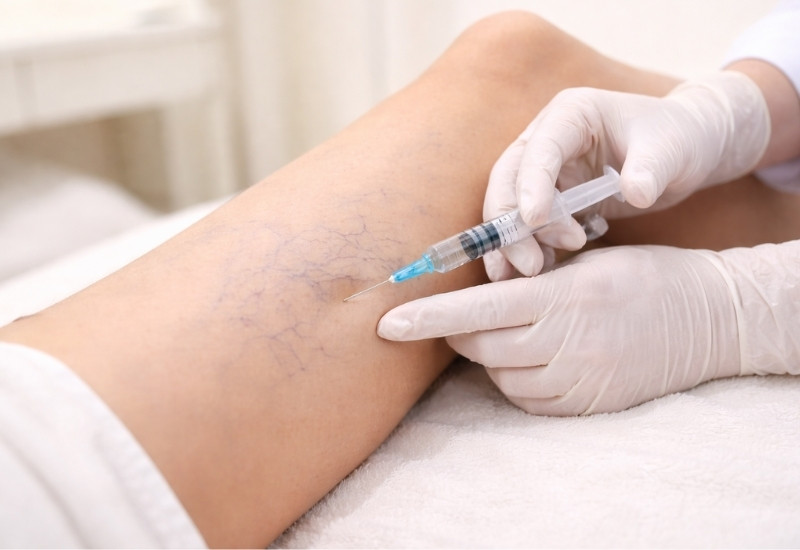
    Sclerotherapy involves injecting a sclerosing solution into the affected vein. The solution irritates the vein walls, causing them to collapse and seal shut. Over time, the treated vein is permanently reabsorbed, significantly reducing the risk of recurrence.

    Sclerotherapy effectively treats visible, insufficient, and/or painful varicose veins. The process begins immediately after the injection and may continue for several days to a few weeks, depending on the size of the treated vein.

    In some cases, injections may be performed under ultrasound guidance for greater precision and visibility. This technique, known as ultrasound-guided sclerotherapy, is typically used for deeper or more severe varicose veins. The injected solution is often more potent than that used in conventional sclerotherapy.

    Benefits of Sclerotherapy 

    Sclerotherapy is highly precise and delivers rapid results. One of its greatest advantages is that no recovery period is required — you can resume normal activities immediately after treatment.

    For patients concerned about discomfort, this technique is generally well tolerated. You may experience mild tingling during the injection. Soon after, symptoms such as heavy or aching legs can improve significantly.

    Post-Treatment Recommendations 

    Although results are often visible quickly, adopting the following habits can help maximize effectiveness and minimize side effects:

    • Choose lukewarm baths or showers and apply cool water to the legs
    • Wear compression stockings
    • Apply an appropriate moisturizer to maintain skin health
    • Engage in light physical activity such as walking or stretching
    • Use the stairs and activate your feet regularly
    • Stimulate calf circulation by walking on your toes
    • Avoid remaining in the same position for extended periods, as this may negatively impact vein health.

    Sclerotherapy is generally associated with minimal discomfort, but following post-treatment guidelines is essential for optimal comfort and results.

    Results 

    Once treated with sclerotherapy, the affected vein is eliminated, thereby reducing the risk of complications. 

    Because varicose veins are a chronic and progressive condition, new veins may develop over time. However, sclerotherapy remains an effective solution for managing them. 

    Preventive care is equally important. Maintaining a healthy lifestyle — including balanced nutrition, regular movement, limiting excessive heat exposure, and avoiding tobacco — can help slow progression. 

    Schedule your consultation today to determine whether sclerotherapy is right for you

  • How to Prevent the Appearance of Spider Veins on the Legs

    How to Prevent the Appearance of Spider Veins on the Legs

    How to Prevent the Appearance of Spider Veins on the Legs

    Prevention of spider veins on the legs: tips and advice to keep your legs light and healthy.

    What Is a Spider Vein?

    Like a varicose vein, a spider vein is a vein that no longer efficiently returns blood to the heart. The difference lies mainly in size: varicose veins are larger, deeper, and located in the subcutaneous tissue, while spider veins are smaller, more superficial vessels located within the skin.

    Spider veins may be influenced by several factors:

    • Heredity
    • Vein dilation: when valves function less effectively, blood circulation becomes impaired
    • Reflux from the deep venous system to the superficial venous system
    • The presence of multiple small visible capillaries may indicate a predisposition
    • Local trauma or near a scar

    Other signs to watch for include:

    • Heaviness and fatigue in the legs
    • Irregular skin pigmentation
    • Itching
    • Swelling (edema)
    • Venous ulcers

    What Factors Contribute to Spider Veins?

    Certain everyday factors may promote their development. Understanding them helps reduce risk:

    • Prolonged exposure to heat (sun, hot water, heated floors, hot wax hair removal, etc.)
    • Prolonged standing or sitting
    • Crossing the legs
    • Excess weight
    • Tight clothing (belts, shapewear, restrictive garments)
    • Overly warm boots or socks
    • High-impact sports (tennis, squash, volleyball)
    • Pregnancy
    • Aging
    • Use of hormonal contraceptives

    How Can You Help Prevent Spider Veins?

    Adopting simple daily habits can support venous health and comfort:

    • Choose lukewarm baths and rinse legs with cool water, directing the stream upward
    • Elevate your legs for 30 minutes after prolonged standing or sitting
    • Massage legs from bottom to top using appropriate moisturizing products
    • Elevate your legs while resting or sleeping
    • Stay active: walking, stretching, moving your feet, and engaging the calf muscles are highly beneficial
    • Maintain skin health by applying a body cream regularly
    • Wear compression stockings to support circulation
    • Manage varicose veins and spider veins through sclerotherapy when appropriate

    With consistent, easy-to-follow habits, you can better protect your legs and maintain optimal comfort.

    Book a consultation with a phlebologist to receive a personalized evaluation and discover the treatments best suited to your needs.

  • Varicose Vein Treatment: Understand, Prevent, and Take Action

    Varicose Vein Treatment: Understand, Prevent, and Take Action

    Varicose Vein Treatment: Understand, Prevent, and Take Action

    promotions Epiderma sur les soins médicoesthétiques et l’épilation au laser.

    Here’s what you need to know to better understand their causes, symptoms, and the available treatment options.

    What is a varicose vein?

    A varicose vein is an abnormal dilation of a vein, typically caused by a loss of vein wall tone or impaired blood flow (venous reflux).

    When blood does not circulate properly back to the heart, it can pool in the vein, causing it to become enlarged and visible beneath the skin.

    Varicose veins can appear:

    • at any age
    • on different parts of the body
    • but are especially common on the legs

    Some milder conditions, such as couperose (which affects the cheeks, nose, and chin), are also related to the dilation of small capillary blood vessels.

    Why do varicose veins develop?

    Many factors influence their appearance.

    The primary cause Genetics.

    • 20% risk if neither parent is affected
    • 44% if one parent is affected
    • more than 70% if both parents are affected

    Other contributing factors include:

    • ethnic background
    • age (prevalence increases over time)
    • sex (women are twice as likely to be affected)
    • prolonged standing or sitting
    • excess weight
    • hormonal changes (pregnancy, menopause…)

    How are varicose veins treated?

    Several treatment options are available, depending on the cause, location, and size of the affected vein.

    An evaluation by a physician trained in phlebology is essential to establish an accurate diagnosis and an appropriate treatment plan.

    Sclerotherapy: The most common treatment

    Sclerotherapy involves injecting a sclerosing solution into the affected vein, triggering a controlled inflammatory response.

    The vein closes, stops carrying blood, and gradually fades.

    Benefits:

    • quick treatment (about 20 minutes)
    • no anesthesia required
    • immediate return to activities
    • cost-effective solution
    • progressive visible results

    Ultrasound-Guided Injection (Echosclerotherapy)

    This treatment is designed for deeper veins or areas with significant reflux.

    A prior ultrasound allows the physician to assess the venous network and precisely target the treatment area.

    A more concentrated solution is often used to effectively treat larger veins.

    Sclerotherapy and echosclerotherapy account for approximately 90% of varicose vein treatments, both available at Epiderma.

    Compression Stockings: An Essential Ally

    Wearing compression stockings:

    • helps prevent new varicose veins
    • slows progression of venous disease
    • optimizes treatment outcomes
    • improves circulation via graduated pressure

    They are available in various compression levels.

    Proper selection (compression level and size) should always be guided by a healthcare professional.

    This service is offered at several Epiderma clinics.

    Tips to slow varicose vein development

    • engage in circulation-friendly activities (walking, cycling, swimming, yoga)
    • wear comfortable footwear
    • maintain a healthy weight
    • elevate legs when resting
    • avoid hot baths, hot wax, and tight clothing
    • massage legs upward toward venous return

    Why treat varicose veins early?

    Beyond cosmetic concerns, varicose veins tend to worsen over time.

    If left untreated, they may lead to:

    • increased heaviness
    • pain
    • more visible veins
    • long-term vascular complications

    Earlier treatment typically leads to better results and simpler interventions.

    Conclusion: Effective and Safe Solutions

    Before any treatment, a comprehensive evaluation by a phlebology physician is essential.

    During your first visit at Epiderma:

    1. a medical history is completed
    1. the lower limbs are examined
    1. Doppler or ultrasound imaging assesses circulation and reflux

    Thanks to modern techniques such as sclerotherapy and ultrasound-guided injections, varicose veins can be treated quickly, effectively, and safely.

    Visible improvements are achievable even for more pronounced veins.

    Today, saying goodbye to varicose veins is both possible — and simple.

    Book your personalized evaluation with our phlebology physicians and discover the treatment options best suited to your needs.