
Category: Dryness and dehydration

  • How Can You Get Rid of Dark Circles? 

    How Can You Get Rid of Dark Circles? 

    How Can You Get Rid of Dark Circles?

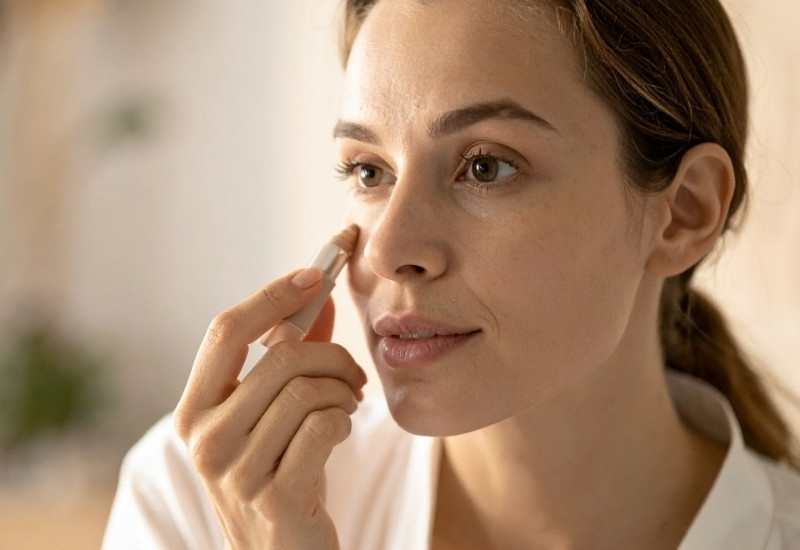
    Woman gently touching her under-eye area to reduce the appearance of dark circles.

    Why Do We Get Dark Circles? 

    Dark circles under the eyes can becaused by several factors.

    Here are the most common causes:

    1. Fatigue and lack of sleep – One of the most frequent causes. Insufficient sleep can lead to a dull complexion and make dark circles more noticeable.
    1. Genetics –Hereditary predispositions play an important role. Some individuals naturally have thinner skin or more visible blood vessels under the eyes.
    1. Aging – Over time, the skin loses elasticity and thickness, making the underlying blood vessels more visible.
    1. Dehydration – Poor hydration can make the under-eye area appear drier and emphasize dark circles.
    1. Allergies – Allergies may trigger inflammation and vascular congestion, contributing to darker under-eye shadows.
    1. Sun exposure – Excessive sun exposure can increase pigmentation in this delicate area.
    1. Underlying health conditions – Certain medical conditions may also contribute to dark circles.
    1. Water retention – Fluid retention, often linked to high salt intake or hormonal fluctuations, can accentuate the appearance of dark circles.
    1. Stress and diet – An unbalanced lifestyle may also play a role.

    To help improve the appearance of dark circles, it is often recommended to adopt an appropriate skincare routine, stay well hydrated, optimize sleep habits, and consult a professional when needed.

    How Can You Reduce the Appearance of Dark Circles?

    There is no secret: quality sleep and a balanced lifestyle remain essential. However, if shadows persist despite healthy habits, effective solutions are available.

    Using a targeted eye contour treatment combined with a suitable concealer can significantly improve the appearance of the under-eye area. The most effective eye treatments are those designed to decongest, brighten, depigment, and illuminate the skin.

    Key ingredients to look for include:

    • Caffeine – Helps stimulate and drain
    • Vitamin C – Brightens the complexion
    • Licorice extract – Helps reduce pigmentation
    • Fruit acids – Promote gentle exfoliation
    • Daily sun protection (SPF 30+) applied carefully around the eye area is also crucial to prevent further darkening.

    Can Hollow Dark Circles Be Treated?

    The answer is yes. Over time, the area between the inner corner of the eye and the mid-cheek gradually loses volume due to the natural decline of collagen and hyaluronic acid. When dark circles appear hollow and the tear trough becomes more visible, hyaluronic acid filler injections can effectively reduce their appearance.

    For pigmented or persistent dark circles, a PRF (Platelet-Rich Fibrin) treatment may also be recommended. This 100% natural regenerative approach helps improve skin quality, reduce discoloration, and restore a fresher, more rested look.

    Depending on age and individual needs, specialized regenerative skincare products or formulas rich in hyaluronic acid may also be incorporated. However, it is essential that treatments in this delicate area be performed by a highly trained physician with a strong understanding of facial anatomy.

    Because the under-eye area is complex and fragile, choosing an experienced provider is crucial.

    A professional evaluation will determine whether fillers, PRF, or a cosmetic approach is best suited to your type of dark circles.
    BOOK AN APPOINTMENT FOR AN EVALUATION

  • Lip Treatment: A Complete Guide to Dermal Fillers

    Lip Treatment: A Complete Guide to Dermal Fillers

    Lip Treatment: A Complete Guide to Dermal Fillers

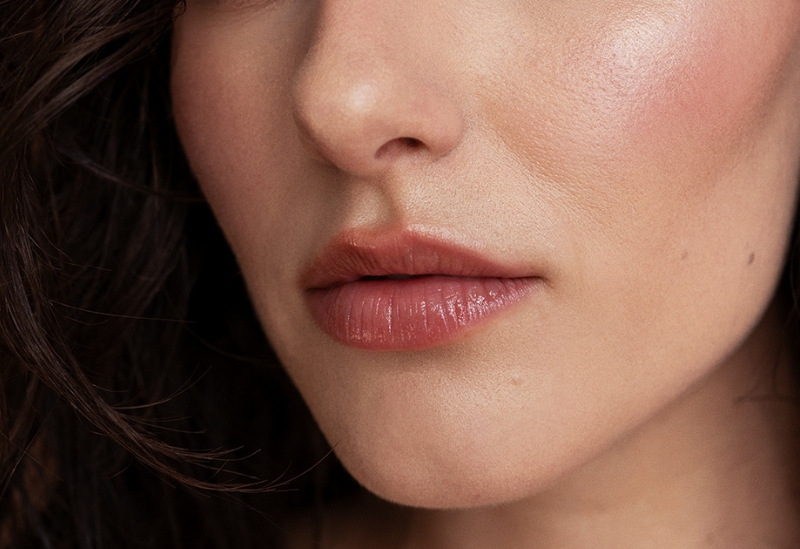
    Woman examining her lips to learn more about injections and dermal fillers.

    1. Which filler is recommended for lip augmentation?

    The most commonly used dermal fillers are those made with hyaluronic acid, a substance naturally present in the body. Some products are designed to add more volume, while others help redefine the lip contour and soften fine lines, while maintaining a natural and harmonious result.

    2. What’s the difference between dermal fillers and neuromodulators?

    Unlike fillers, which add volume, neuromodulators works by relaxing the muscles to smooth wrinkles. It cannot be used to enhance lip volume, but it can help reduce the appearance of fine lines around the mouth.

    3. What are the different injection techniques?

    Lip augmentation can be performed using two main techniques:

    • Needle injections: Ideal for precise application, particularly for defining the lip contour.
    • Cannula injections: Allow for a more even distribution of the product and help reduce the risk of bruising.

    The choice of technique depends on the patient’s anatomy and the desired outcome.

    4. What questions should you ask your doctor before getting lip fillers?

    Before proceeding, be sure to ask your doctor:

    • What type of filler will be used?
    • What are the possible side effects?
    • What injection technique will be used?
    • How long will the results last?

    Choosing an experienced practitioner ensures a safer treatment and more natural-looking results.

    5. Can lip injections cause bruising?

    Yes, since the lips are highly vascularized, bruising can occur after injections. To minimize this risk, avoid aspirin, anti-inflammatory medications, alcohol, and cannabis before the procedure. A skilled practitioner will adjust their technique to reduce the chances of bruising.

    6. How long does swelling last after lip injections?

    The initial swelling typically subsides within 24 to 48 hours, although mild inflammation may last a few days. After two weeks, the final result will be visible.

    7. How often should lip fillers be maintained?

    The results of lip augmentation typically last between 5 and 12 months, depending on the patient’s metabolism. A touch-up can be done after this period to prolong the effects. If you want additional volume, a second injection can be performed one month after the initial session.

    8. Will my lips sag if I stop getting injections?

    No. Once the hyaluronic acid is fully absorbed by the body, your lips will gradually return to their natural appearance. The hydration provided by the filler may even persist for a while after the product has been metabolized.

    9. Do I need an allergy test before the treatment?

    Hyaluronic acid dermal fillers generally do not require an allergy test. However, your physician will review your medical history to determine whether any specific precautions should be considered.

    In short…

    Lip augmentation is a safe and effective treatment when performed by a qualified professional. Before moving forward, gather information on your options, ask your doctor all necessary questions, and choose a reputable clinic.

    At Epiderma, a medical consultation is mandatory before any treatment to ensure safe and personalized care.

    Looking to enhance your lips while maintaining a natural, harmonious result?

    Book an appointment for a medical consultation with our team.