


Bruxism
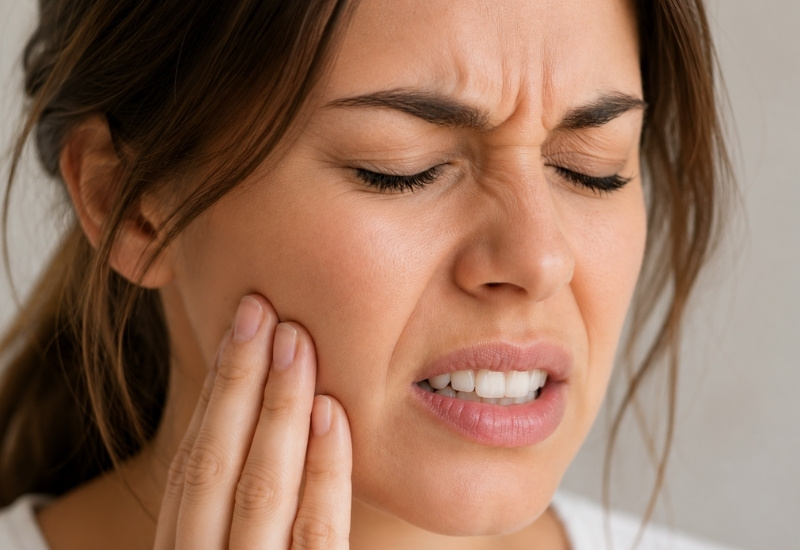
Bruxism is the involuntary clenching or grinding of the teeth. This repeated grinding and tension in the jaw muscles can occur during sleep or throughout the day and may lead to a variety of symptoms, including jaw pain, facial tension, and tooth sensitivity.
Understanding Bruxism
What is it?
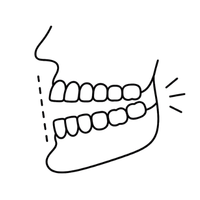
Bruxism is associated with excessive contraction of the jaw muscles, often triggered by stress, fatigue, or anxiety. Clenching or grinding the teeth can occur during the day or while sleeping, leading to muscle tension in the face and jaw.
Types of bruxism
- Sleep bruxism: Clenching or grinding the teeth during sleep
- Awake bruxism: Involuntary jaw clenching or tension during the day
- Muscle hypertonicity: Chronic tension in the chewing (mastication) muscles
Common symptoms
- Jaw pain or stiffness
- Tension in the temples
- Frequent headaches
- Neck or shoulder discomfort
- Sensitive or worn teeth
- A feeling of jaw muscle fatigue upon waking
Let Us Guide You
Do you have questions or are you unsure which treatment is right for you? Our team is here to support you and recommend options tailored to your needs.
Causes & Contributing Factors
Bruxism can be influenced by several lifestyle, sleep, and stress-related factors.
Stress and Anxiety
Periods of emotional stress or anxiety can increase involuntary teeth clenching and muscle tension.

Sleep Disorders
Bruxism often occurs during sleep and may be associated with nighttime awakenings or poor sleep quality.

Muscle Fatigue
Overuse of the jaw muscles can lead to pain, tightness, and muscle discomfort.

Lifestyle Habits
Caffeine consumption, smoking, alcohol use, and lack of rest may contribute to worsening bruxism.

Bite (Occlusion) Problems
In some cases, misalignment of the teeth or jaw may contribute to increased tension associated with bruxism.
Our Recommended Treatments

Neuromodulator Injections (Botulinum Toxin)
Used to reduce excessive jaw muscle activity and help relieve tension caused by teeth clenching. These injections primarily target the masseter muscles responsible for excessive muscle contraction.
Prevention Tips
Reduce Daily Stress
- Stay physically active
- Practice relaxing activities
- Learn to consciously relax your jaw muscles
Improve Your Sleep
- Maintain a consistent sleep routine
- Limit stimulants in the evening
Maintain Healthy Lifestyle Habits
- Reduce caffeine intake
- Limit alcohol and tobacco use
- Avoid unconsciously clenching your jaw
Frequently Asked Questions (FAQ)
Is it possible to have bruxism without knowing it?
Yes. Many people grind their teeth while sleeping without realizing it. Morning symptoms such as jaw fatigue or headaches are often the first signs.
Can injections help reduce tension caused by bruxism?
Neuromodulator injections can help relax specific jaw muscles responsible for excessive clenching and reduce the muscle tension associated with bruxism.
Does lack of sleep affect bruxism?
Yes. Fatigue and sleep disturbances may increase episodes of bruxism and jaw muscle tension.
When should I consult a professional?
A consultation is recommended if jaw pain becomes frequent, your teeth show signs of wear, muscle tension affects your daily comfort, or symptoms interfere with your sleep and quality of life.