Category: Pigmentation and dark spots

  • Discover the 4 Essential Treatments for Radiant Skin

    Discover the 4 Essential Treatments for Radiant Skin

    Discover the 4 Essential Treatments for Radiant Skin

    Epiderma’s four essential treatments to reduce spots, redness, acne, and enhance skin radiance.

    At Epiderma, we offer a selection of targeted treatments designed to exfoliate, hydrate, smooth, and illuminate your complexion.

    Discover our four must-have treatments for glowing skin this spring.

    1. Peel Treatments: Reveal fresh, radiant skin 

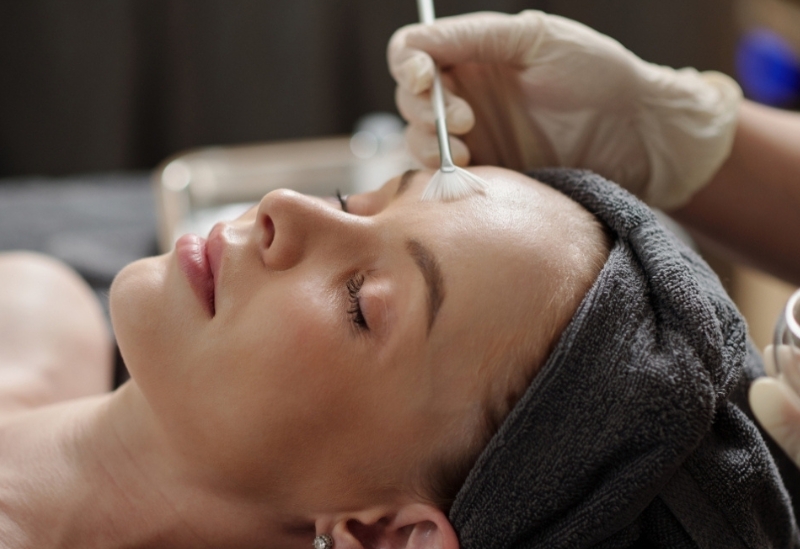
    With the change of season, it’s essential to eliminate the dead skin cells accumulated during winter. Peeling treatments help renew the skin deeply, revealing a more even and luminous complexion.

    Epiderma peels target multiple concerns: dull skin, enlarged pores, imperfections, pigmentation spots, and signs of aging.

    • Revitalizing Micro-Peel: perfect for restoring glow and evening out skin tone
    • Allure Peel: helps reduce pigmentation spots and smooth fine lines
    • Neutra-Acne Peel: ideal for purifying the skin, reducing imperfections, and tightening pores

    2. Microdermabrasion: An instant glow boost

    Microdermabrasion is a must-have spring treatment to gently exfoliate the skin and instantly revive its radiance.

    From the very first session, skin appears smoother, brighter, and more even. This treatment also helps reduce the appearance of pigmentation spots, fine lines, and acne scars, while improving the absorption of skincare products.

    For visible and long-lasting results, a series of 4 to 6 sessions is recommended.

    3. Microneedling: Improve skin texture by stimulating collagen

    Microneedling, also known as collagen induction therapy, involves the use of fine needles to create controlled microchannels in the skin. These microstimulations trigger the natural production of collagen and elastin, encouraging skin regeneration.

    Microneedling is particularly effective for reducing the appearance of enlarged pores, fine lines, and acne scars, while improving skin texture, tone, and overall radiance.

    This medico-aesthetic treatment also enhances the penetration of gels, creams, and serums, maximizing their effectiveness within the deeper layers of the skin.

    4. Photorejuvenation at Epiderma: Light-powered skin renewal

    Photorejuvenation is ideal in the spring to correct pigmentation spots and visible redness after winter, while restoring the skin’s natural glow.

    This treatment effectively targets minor pigmentation and vascular concerns such as hyperpigmentation, freckles, lentigines, telangiectasia, couperose, rosacea, and erythema.

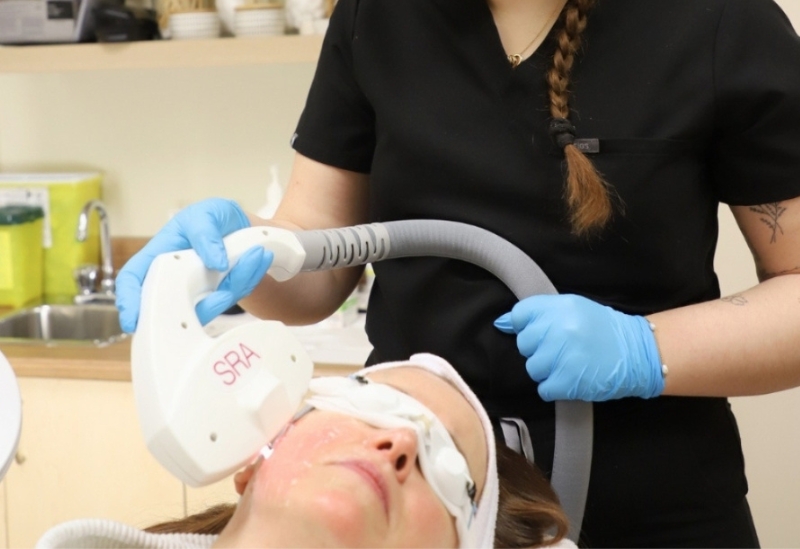
    Using advanced Elos Plus (SRA) technology, which combines intense pulsed light (IPL) and bipolar radiofrequency, photorejuvenation delivers precise, visible, and long-lasting results: reduced spots and redness, improved skin texture, and a more even, radiant complexion.

    In Conclusion

    This spring, give your skin the renewal it deserves. Epiderma treatments are designed to reveal your natural glow and prepare your skin for summer.

    Book a complimentary consultation today.

  • The 6 Essentials for Optimal Sun Protection

    The 6 Essentials for Optimal Sun Protection

    The 6 Essentials for Optimal Sun Protection

    The sun is finally here — the perfect time to enjoy vacation season. However, it’s crucial not to overlook sun protection, not only for our children but for ourselves as well. While the sun offers benefits such as improved mood and vitamin D synthesis, prolonged exposure can also lead to premature aging, sunburns, and increased skin cancer risk. Here are the key essentials to protect your skin effectively.

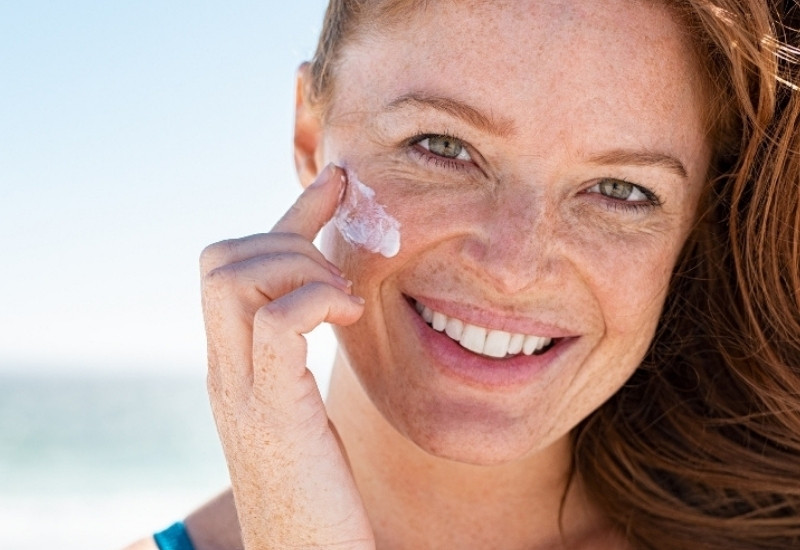
    Essentials for optimal sun protection: enjoy the sun while protecting your skin from sunburn.

    What Do UVA and UVB Rays Actually Do? 

    UVA Rays 

    UVA rays cause immediate tanning but are just as harmful as UVB rays. They contribute to premature aging, pigmentation disorders, and increase the risk of skin cancer. Unlike UVB rays, UVA rays penetrate glass, meaning their radiation remains constant throughout the day.

    UVB Rays 

    UVB rays are responsible for sunburns and delayed tanning that can last for several weeks. They are most intense between 11 a.m. and 4 p.m.

    Sunburns 

    Excessive sun exposure can result in sunburns, premature skin aging, wrinkle formation, and increased skin cancer risk. A sunburn is a skin inflammation that causes redness and pain, typically appearing 12 to 24 hours after exposure. Severity varies depending on skin type, with fair skin being more vulnerable to stronger reactions than darker skin tones.

    Sun Protection Factor (SPF) 

    SPF measures a sunscreen’s ability to filter sun rays and indicates how long skin can be exposed before burning. SPF ratings are universal — SPF 15 provides the same level of protection regardless of brand. SPF primarily protects against UVB rays, but it is essential to choose a broad-spectrum sunscreen to ensure protection from UVA rays as well.

    Choosing the Right SPF 

    The higher the SPF, the greater the UVB protection. However, it is incorrect to assume that SPF 30 blocks twice as many rays as SPF 15. 

    Here’s how SPF levels compare: 

    • SPF 15 blocks approximately 93% of UVB rays 
    • SPF 30 blocks approximately 97% of UVB rays 
    • SPF 60 blocks approximately 98% of UVB rays 
    • SPF 70 blocks approximately 98.2% of UVB rays 

    To select the protection best suited to your needs, consider your skin type and how it reacts to sun exposure. 

    Applying Sunscreen Properly 

    Using a high-SPF sunscreen can create a false sense of security. Apply sunscreen 30 minutes before sun exposure and reapply every two hours. Remember to reapply after swimming, sweating, or friction from clothing, as these factors reduce effectiveness. Even with water-resistant products, reapplication after swimming is recommended for optimal protection.

    UVC Rays and Protection Against Pigmentation 

    Sunlight includes not only UVA and UVB rays but also UVC rays, which have a high carcinogenic potential. Although the ozone layer filters most UVC rays, thinning of this layer increases exposure risk in certain regions.

    To enjoy the sun while minimizing skin damage — including pigmentation spots — consider incorporating these essentials into your routine:

    Book your appointment today for a personalized evaluation and discover our full range of sun protection products. 

  • Men’s Skincare Routine 

    Men’s Skincare Routine 

    Men’s Skincare Routine

    More and more men are adopting a proper skincare routine rather than maintaining a minimal or nonexistent one. A solid grooming routine is a cornerstone of good hygiene and should be considered just as important as maintaining physical and mental well-being. Well-cared-for skin means fewer breakouts, less irritation and redness, and a delay in visible signs of aging. You’ll thank us in 10 years. Gentlemen, here is your new daily ritual. 

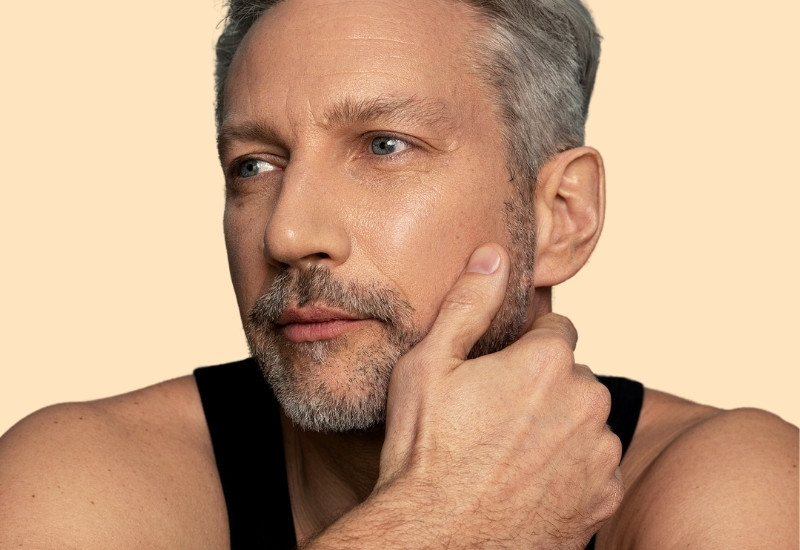
    Men’s skincare routine — essential steps to cleanse, exfoliate, hydrate, and protect men’s skin.

    Gentlemen, here is your new daily routine by following the steps outlined below.

    STEP 1 

    CLEANSE 

    Cleansing your skin is essential, both morning and evening. This step removes impurities, excess oils naturally produced by your body, environmental pollutants, sunscreen, and any products applied throughout the day. Daily cleansing helps maintain a balanced skin pH. 

    Note: Washing your face more than twice per day is not recommended, as it may stimulate increased oil production. 

    Suggestion: 

    – Purifying Cleansing Milk | Medicart 

    STEP 2 

    EXFOLIATE 

    Using an exfoliant helps unclog pores, remove dead skin cells, and eliminate debris that can dull the complexion. It can also help prevent ingrown hairs caused by shaving. 

    However, exfoliation should not be performed daily. Once or twice per week is sufficient. 

    Suggestion: 

    – Triple-Action Gentle Exfoliant | Medicart 

    STEP 3 

    HYDRATE & TREAT 

    The final — and certainly not least important — step is hydration. Many factors contribute to skin dryness and irritation, including shaving. 

    To combat dehydration, imperfections, and visible signs of aging, selecting the right treatment product is crucial. This step should be performed morning and evening. 

    Suggestions: 

    – LEXXEL Moisturizing Cream | Vivier Pharma 

    – HA5 Rejuvenating Hydrator | SkinMedica 

    IMPORTANT REMINDER 

    While sunny days are always enjoyable, protecting your skin year-round is essential. Health Canada recommends using a broad-spectrum sunscreen with an SPF of 30 or higher. 

    Daily sun protection helps preventlong-term damage such as premature skin aging. 

    Suggestions: 

    – Total Defense + Repair SPF 34 | SkinMedica 

    – Sheer Broad Spectrum SPF 45 | Vivier Pharma 

    BONUS STEP 

    The skin under the eyes is the thinnest area of the face (aside from the lips) and requires special care. Using a targeted eye treatment can help visibly refresh and brighten the appearance of the eyes. 

    Suggestions: 

    – Sublime Eye Radiance | Medicart 

    – GrenzCine Eye | Vivier Pharma 

    This article originally appeared in Medicart’s complimentary web magazine. 

  • Let’s Talk Peels: The “New Skin” Effect 

    Let’s Talk Peels: The “New Skin” Effect 

    Let’s Talk Peels: The “New Skin” Effect

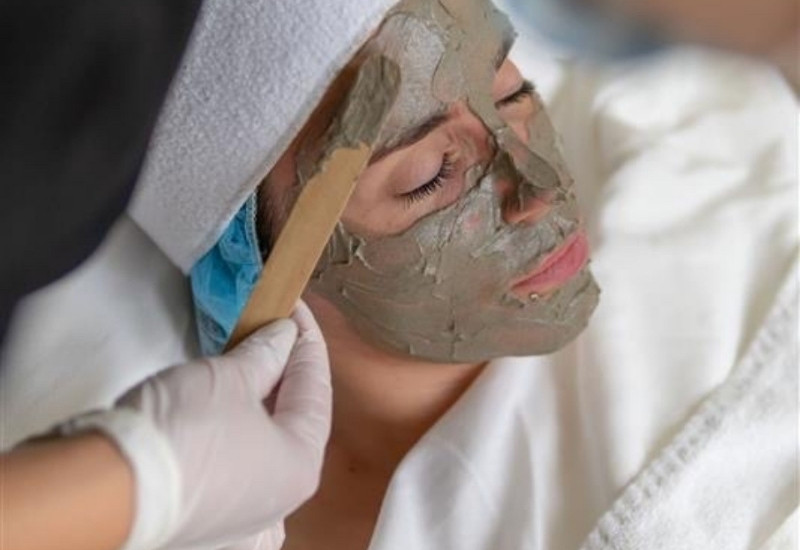
    Application d’un peeling professionnel Vivier sur le visage d'une femme.

    A Bit of History 

    Since ancient times, women have used natural acids to exfoliate and brighten their skin: 

    • Tartaric acid derived from wine sediment in Egypt 
    • Citric acid from lemons during the Renaissance 
    • Glycolic acid extracted from sugar cane, still widely used today 

    Modern science has refined these methods to deliver treatments that are safer, more precise, and significantly more effective. 

    What Exactly Is a Peel? 

    A peel is a professional exfoliatingtreatment that stimulates skin renewal by removing dead skin cells. 

    It helps to: 

    • Refine skin texture 
    • Even out the complexion 
    • Reduce the appearance of pigmentation spots 
    • Minimize imperfections 
    • Enhance radiance 
    • Smooth fine lines 

    The treatment involves applying an exfoliating solution with a brush or a soft compress. The solution remains on the skin for a few minutes before being gently neutralized. 

    A peel does not damage the skin — it regenerates it. 

    Types of Peels and Their Active Ingredients 

    1 — Glycolic Acid Peel (AHA) 

    Derived from sugar cane, glycolic acid is one of the most widely used exfoliating agents due to its small molecular size, which allows it to penetrate the skin easily. It provides a fine yet deep exfoliation, improves radiance, softens dark spots, and leaves the skin smoother and more even.

    This peel comes in two forms. 

    • The aesthetic version, which is gentler, contains a lower concentration of AHAs. It requires multiple sessions and delivers gradual, subtle results.
    • The medico-aesthetic version is more concentrated and works deeper within the skin. It is particularly effective for reducing the appearance of enlarged pores, smoothing uneven texture, reviving dull complexions, and improving residual acne marks as well as early signs of aging.

    2 — Salicylic Acid Peel (BHA) 

    Derived from willow bark, salicylic acid is a key ingredient for oily, acne-prone, or congested skin. Unlike AHAs, it is oil-soluble, allowing it to penetrate inside the pores.

    This type of peel helps dissolve comedones, reduce breakouts, calm inflammation, and lower the risk of acne-related scarring. It is ideal for skin affected by excess shine, blackheads, or recurring imperfections.

    3 — Combination Peel (AHA + BHA) 

    Combination peels leverage the benefits of both acid families — glycolic (AHA) and salicylic (BHA). This formula is ideal for acne-prone, uneven, or hyperpigmented skin.

    In a single treatment, the skin benefits from both surface and deeper exfoliation, helping to smooth texture, even out tone, and improve the appearance of imperfections.

    What Happens During a Professional Peel? 

    A typical treatment includes: 

    • A consultation to assess the skin 
    • Application of the exfoliating solution 
    • A 3 to 5-minute exposure time 
    • Gentle neutralization 
    • Post-treatment skincare recommendations 

    It is normal to experience: 

    • Mild tingling 
    • Slight redness 
    • Light peeling in the following days 

    Results appear quickly: a brighter complexion, smoother skin, and less visible pores. 

    Contraindications 

    A peel is not recommended in cases of: 

    • Pregnancy or breastfeeding 
    • Active dermatitis or inflammatory flare-ups 
    • Unstable chronic skin conditions 
    • Allergy to any active ingredient 
    • Recent sun exposure 

    A proper evaluation is essential to ensure a safe treatment. 

    Conclusion: New Skin Within Reach 

    Modern peels are far gentler, better controlled, and more effective than ever before. They provide a true radiance boost for dull, uneven, or imperfect skin. 

    If you’d like to refresh your complexion, smooth your skin, or improve certain irregularities: 

    Book a complimentary consultation with a medico-aesthetic technician. 

  • Skin Aging: Understanding and Preventing It 

    Skin Aging: Understanding and Preventing It 

    Skin Aging: Understanding and Preventing It

    Illustration of skin aging and the different layers of the skin

    Over time, skin cells take longer to migrate from the deepest layer to the surface — a process that typically lasts between four to five weeks. This phenomenon is amplified by excessive sun or UV exposure, which causes the stratum corneum (the outermost layer of the epidermis) to thicken as a protective response.

    But what are the specific effects of skin aging on the different layers of the skin?

    The Effects of Aging on the Skin’s Layers

    The Epidermis

    • Dryness and dehydration: Sebum production decreases with age, affecting the skin’s protective barrier. As a result, the skin becomes drier and less capable of retaining moisture.
    • Irregular pigmentation: Pigment-producing cells may become dysfunctional, leading to the appearance of pigmentation spots.
    • Thinning: The skin loses density, making the epidermis thinner while the outer layer thickens. This contributes to uneven texture and a dull complexion.
    • Slower cell renewal: The skin’s regenerative capacity diminishes, delaying healing.

    The Dermo-Epidermal Junction

    • Reduced nutrient exchange: The junction between the dermis and epidermis gradually flattens, decreasing cohesion and limiting nutrient transfer.

    The Dermis

    • Dehydration: Water retention becomes less efficient due to decreased hyaluronic acid synthesis.
    • Deeper wrinkles: Collagen quality and quantity decline, leading to more pronounced wrinkles.
    • Loss of firmness: Collagen fibers stiffen and separate, reducing skin firmness.
    • Reduced elasticity: Elastin fibers diminish, decreasing skin elasticity and tone.
    • Skin paleness: Reduced vascularization may contribute to a paler complexion and altered thermoregulation.

    The Hypodermis

    • Sagging of fat mass:Volume loss in the hypodermis accentuates skin laxity.

    Factors Contributing to Premature Skin Aging

    Premature skin aging is largely influenced by external factors such as sun exposure, cold weather, pollution, smoking, alcohol consumption, stress, and an unbalanced diet. These elements generate free radicals that damage essential skin structures — including collagen, elastin, cellular lipids, and DNA — accelerating visible aging and increasing health risks. Fortunately, antioxidants play a protective role.

    Solutions

    Antioxidants

    The body naturally relies on antioxidants to defend against free radicals. While some are produced internally, others must be obtained through diet or topical application. Vitamins E, C, and A are particularly effective when combined.

    Topical antioxidants can help:

    • Reduce free radical damage
    • Support the skin’s natural defense system
    • Decrease inflammation that degrades collagen
    • Protect against UV-related damage

    Although antioxidants cannot reverse skin aging, they are essential for preventing its visible signs.

    If wrinkles deepen, firmness declines rapidly, or pigmentation spots become more pronounced, a personalized clinical evaluation can help identify the most appropriate treatments based on the affected skin layers.

    Aesthetic Treatments

    Several treatments can help minimize visible signs of aging:

    • Glycolic Peel: Using glycolic acid (AHA), this treatment exfoliates the skin by breaking down the bonds between dead skin cells.
    • Microdermabrasion: This technique removes dead skin cells from the outer layer, leaving the skin smoother and more refined.
    • Photorejuvenation: Stimulates collagen production, improving skin tone and reducing superficial wrinkles.
    • Neuromodulator Injections: Relax facial muscles to soften expression lines, particularly on the forehead and around the eyes.


    Combined with proper sun protection and a tailored skincare routine, these professional treatments help preserve skin health and youthful appearance over time.

    Would you like to better understand your skin’s condition and target the most suitable treatments? Book your personalized skin evaluation with one of our professionals.

    BOOK AN APPOINTMENT

  • Brown Spots: How Photorejuvenation at Epiderma Can Help You

    Brown Spots: How Photorejuvenation at Epiderma Can Help You

    Brown Spots: How Photorejuvenation at Epiderma Can Help You

    Photorejuvenation treatment to reduce dark spots and even out skin tone at Epiderma

    These pigmented spots, often caused by prolonged sun exposure without adequate protection, are among the most visible signs of photoaging. Fortunately, effective solutions are now available to restore a clearer, more even complexion.

    At Epiderma, thanks to our rigorous medical framework and expertise in medical aesthetics, we have been offering advanced photorejuvenation treatments since 2022 using Elos Plus technology (SRA applicator). This innovative treatment targets both superficial and deeper layers of the skin to effectively address benign pigmentation concerns such as dark spots, redness, and superficial melasma.

    By combining intense pulsed light (IPL) with thermal energy, photorejuvenation stimulates collagen production beneath the skin without damaging its surface. The result is progressively clearer, smoother, and more radiant skin, with a restored natural glow, minimal discomfort, and little to no downtime.

    Before/after photorejuvenation at Epiderma showing improved skin tone, smoother texture, and reduced spots.

    “Photorejuvenation allows for gradual improvement in skin quality, with results that can last for several months,” explains Dr. Alexis Du Cap, Medical Director at Epiderma.

    Whether you are looking to reduce pigmentation, refine skin texture, or revive your complexion’s radiance, Elos Plus photorejuvenation is a safe, quick, and effective solution performed under medical supervision in our clinics.

    Book a free consultation and discover how we can help you achieve radiant skin.

  • Three Targeted Peeling Programs

    Three Targeted Peeling Programs

    Three Targeted Peeling Programs

    Application of a professional facial peel at an Epiderma clinic.

    What is a professional peel?

    A peel is a skin-resurfacing treatment that exfoliates the superficial layer of the skin to stimulate cell renewal.

    During the session:

    • a solution is applied to the entire face using gauze
    • it remains active for 3 to 5 minutes under the constant supervision of a medical aesthetic technician
    • the treatment is safe, non-invasive, and self-neutralizing

    Peels are particularly effective for treating:

    • enlarged pores
    • pigmentation spots
    • acne and residual marks
    • fine lines
    • uneven skin tone
    • sun damage

    1 — Allure Peel

    For skin showing advanced signs of aging

    This professional peel promotes controlled exfoliation and helps reduce:

    • the appearance of age spots
    • enlarged pores
    • wrinkles and fine lines
    • hyperpigmentation

    The Allure Peel revitalizes the skin, restores radiance and uniformity, and contributes to a smoother, more youthful appearance.

    2 — Neutra-Acne Peel

    For oily, acne-prone, or blemish-prone skin

    Formulated to soothe inflammation and regulate sebum production, this peel provides:

    • deep exfoliation
    • antibacterial and anti-inflammatory action
    • rapid improvement in skin texture

    It helps to:

    • reduce breakouts and blemishes
    • dissolve comedones
    • unclog blackheads and microcysts
    • reduce mild to moderate acne scarring

    This 8-week program includes:

    • two in-clinic peels
    • a home-care kit to prolong results

    3 — Revitalizing Micro-Peel

    To improve radiance, texture, and tone uniformity (ages 20–50)

    This program combines microdermabrasion and a peel for deeper, more even exfoliation.

    Microdermabrasion uses a stream of microcrystals to exfoliate the skin and enhance peel penetration.

    Observed results:

    • reduction of enlarged pores
    • improved skin texture
    • diminished pigmentation spots
    • visibly smoother, brighter skin

    The standard program lasts 16 weeks and includes:

    • three combined treatments (microdermabrasion + peel)
    • a home-care kit

    An extended 18-week version adds an extra session for enhanced firming and radiance.

    Conclusion: Which program is right for you?

    Each peel works differently depending on skin type, sensitivity, and desired results.

    To determine the most suitable program for your skin:


    Book a free skin evaluation.


    Our medical aesthetic technicians will guide you toward the most appropriate treatment to reveal a more even, radiant, and revitalized complexion.

  • How Can You Get Rid of Dark Circles? 

    How Can You Get Rid of Dark Circles? 

    How Can You Get Rid of Dark Circles?

    Woman gently touching her under-eye area to reduce the appearance of dark circles.

    Why Do We Get Dark Circles? 

    Dark circles under the eyes can becaused by several factors.

    Here are the most common causes:

    1. Fatigue and lack of sleep – One of the most frequent causes. Insufficient sleep can lead to a dull complexion and make dark circles more noticeable.
    1. Genetics –Hereditary predispositions play an important role. Some individuals naturally have thinner skin or more visible blood vessels under the eyes.
    1. Aging – Over time, the skin loses elasticity and thickness, making the underlying blood vessels more visible.
    1. Dehydration – Poor hydration can make the under-eye area appear drier and emphasize dark circles.
    1. Allergies – Allergies may trigger inflammation and vascular congestion, contributing to darker under-eye shadows.
    1. Sun exposure – Excessive sun exposure can increase pigmentation in this delicate area.
    1. Underlying health conditions – Certain medical conditions may also contribute to dark circles.
    1. Water retention – Fluid retention, often linked to high salt intake or hormonal fluctuations, can accentuate the appearance of dark circles.
    1. Stress and diet – An unbalanced lifestyle may also play a role.

    To help improve the appearance of dark circles, it is often recommended to adopt an appropriate skincare routine, stay well hydrated, optimize sleep habits, and consult a professional when needed.

    How Can You Reduce the Appearance of Dark Circles?

    There is no secret: quality sleep and a balanced lifestyle remain essential. However, if shadows persist despite healthy habits, effective solutions are available.

    Using a targeted eye contour treatment combined with a suitable concealer can significantly improve the appearance of the under-eye area. The most effective eye treatments are those designed to decongest, brighten, depigment, and illuminate the skin.

    Key ingredients to look for include:

    • Caffeine – Helps stimulate and drain
    • Vitamin C – Brightens the complexion
    • Licorice extract – Helps reduce pigmentation
    • Fruit acids – Promote gentle exfoliation
    • Daily sun protection (SPF 30+) applied carefully around the eye area is also crucial to prevent further darkening.

    Can Hollow Dark Circles Be Treated?

    The answer is yes. Over time, the area between the inner corner of the eye and the mid-cheek gradually loses volume due to the natural decline of collagen and hyaluronic acid. When dark circles appear hollow and the tear trough becomes more visible, hyaluronic acid filler injections can effectively reduce their appearance.

    For pigmented or persistent dark circles, a PRF (Platelet-Rich Fibrin) treatment may also be recommended. This 100% natural regenerative approach helps improve skin quality, reduce discoloration, and restore a fresher, more rested look.

    Depending on age and individual needs, specialized regenerative skincare products or formulas rich in hyaluronic acid may also be incorporated. However, it is essential that treatments in this delicate area be performed by a highly trained physician with a strong understanding of facial anatomy.

    Because the under-eye area is complex and fragile, choosing an experienced provider is crucial.

    A professional evaluation will determine whether fillers, PRF, or a cosmetic approach is best suited to your type of dark circles.

    BOOK AN APPOINTMENT FOR AN EVALUATION

  • 4 Beauty Resolutions to Add to Your Routine in 2026

    4 Beauty Resolutions to Add to Your Routine in 2026

    4 Beauty Resolutions to Add to Your Routine in 2026

    Woman applying a facial treatment as part of a minimalist beauty routine recommended by a medical aesthetic clinic.

    Here are 4 simple and proven beauty resolutions to incorporate into your daily routine for glowing skin, winter and summer alike.

    1 — Apply Sunscreen Every Day

    Today, sun protection is considered the most important anti-aging step. UVA rays are present year-round, even on cloudy days, and are responsible for premature skin aging: wrinkles, fine lines, pigmentation spots, and loss of radiance.

    To protect the health and youthfulness of your skin:

    • Choose an SPF 30 or higher, based on your needs.
    • Opt for a formula suited to your skin type: mineral, tinted, or fluid.
    • Apply it every morning, even in winter and even in the city.
    • Be extra vigilant if you are receiving in-clinic treatments (laser hair removal, microneedling, microdermabrasion, etc.).

    Daily sunscreen use is one of the beauty habits that delivers the best long-term results.

    2 — Make Time for Yourself

    Stress, lack of sleep, and a fast-paced lifestyle can affect the appearance of your skin. In 2026, self-care and treatments that help the body recover are more valued than ever.

    Some simple ideas:

    • Take a warm bath followed by a nourishing body cream.
    • Apply a hydrating or soothing mask in the evening.
    • Enjoy a professional facial treatment in clinic (facial, peelBela MD, etc.).
    • Adopt a minimalist routine: cleanse, hydrate, protect.

    These moments of self-care help reduce stress, improve skin hydration, and promote a brighter complexion.

    3 — Choose Skin Care Tailored to Your Needs… with a Professional Assessment

    Every skin type is unique: sensitive, acne-prone, combination, dry, mature…

    To achieve visible results, it’s essential to choose treatments that are truly adapted to your skin’s needs.

    In clinic, a free personalized skin assessment allows our medical-aesthetic technicians to evaluate:

    • Your skin type
    • Your concerns (wrinkles, pigmentation, redness, loss of firmness, texture, pores, etc.)
    • Your current routine
    • Your goals

    Based on this assessment, they can recommend appropriate facial treatments and medical-aesthetic solutions such as photorejuvenation, skinboosters, neuromodulator injections, or dermal fillers.

    The goal is simple: to build a routine and treatment plan that respect your skin, your budget, and your lifestyle.

    4 — Simplify Your Routine

    The 2026 trend: skinimalism, or the art of using fewer products that are better chosen.

    Simple habits to adopt:

    • Replace disposable wipes with gentle cleansers applied by hand.
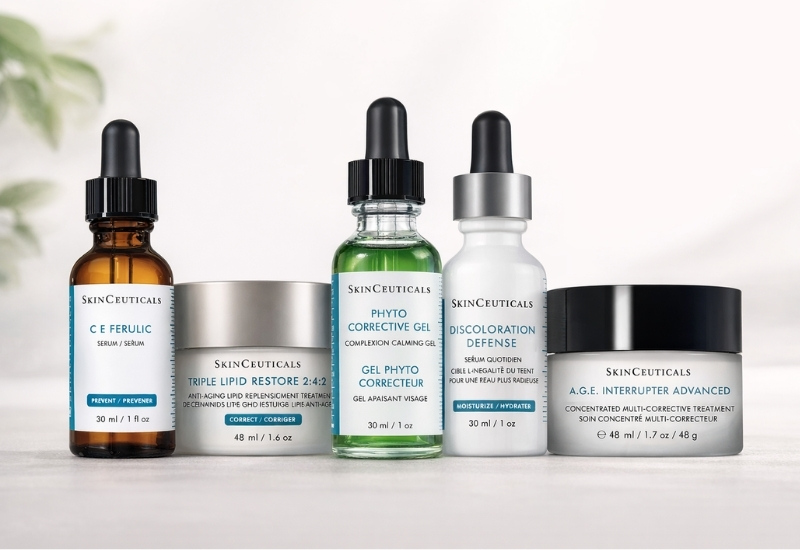
    • Choose multi-functional products (e.g., antioxidant, brightening, and anti-aging serums such as SkinCeuticals CE Ferulic or Vivier Radiance Serum).
    • Finish your products before purchasing new ones.

    A simplified routine is often more effective, more consistent, and gentler on the skin.

    Conclusion: Your Skin Deserves Personalized Support

    Adopting new beauty resolutions also means giving yourself the support of passionate professionals. Our medical-aesthetic technicians are here to guide you and help you create a routine that reflects who you are — simple, effective, and tailored to your goals.

    Because beautiful skin starts with the right choices, supported by professionals.

    Book a free in-clinic consultation.

  • Biomimetic Exosomes Now Available at Epiderma

    Biomimetic Exosomes Now Available at Epiderma

    Biomimetic Exosomes Now Available at Epiderma

    Woman receiving a facial treatment at Epiderma with the application of biomimetic exosomes to enhance skin radiance.

    Understanding Biomimetic Exosomes

    An exosome is an extremely small extracellular vesicle that contains no DNA and acts as a messenger between cells. These messengers carry growth factors, proteins, and lipids that naturally stimulate collagen and elastin production. Over time, the skin becomes firmer, smoother, and more radiant.

    Why Choose Biomimetic Exosomes at Epiderma

    The exosomes used at Epiderma are biomimetic, meaning they are lab-replicated from human umbilical cord stem cells. They contain no human material and are designed to be fully recognized by the skin. Their purity and uniformity ensure consistent, safe, and effective results.

    Advantages of Biomimetic Technology

    • Controlled purity and concentration
    • Uniform quality
    • Reliable and safe results
    • Optimal skin recognition
    • Health Canada approved

    Exo Glo: The Exosome Used at Epiderma

    Exo Glo contains a patented HLA-G complex that promotes immune tolerance and ensures durable, cumulative results. It combines biomimetic exosomes with ingredients known to support skin regeneration, including hyaluronic acid, hydroxyapatite, growth factors, peptides, niacinamide, and a ceramide complex.

    What Conditions Can Be Treated

    Biomimetic exosomes are suitable for a variety of skin concerns, including:

    • Wrinkles and loss of firmness
    • Hyperpigmentation and sun-damaged skin
    • Redness and rosacea
    • Scars, including acne scars
    • Active acne and inflammation
    • Eye contour concerns
    • Hair loss with the Exo Grow serum

    Combining Exosomes with Epiderma Treatments

    Biomimetic exosomes can be used alone or combined with other treatments to maximize results. They are particularly effective when used with:

    A combined PRP and microneedling protocol with exosomes optimizes tissue repair and visibly improves skin texture.

    Observed Benefits

    Clients who undergo treatments with exosomes generally report:

    • Reduced recovery time
    • Less redness and discomfort
    • More even and radiant skin tone
    • Reduced appearance of pigmentation spots
    • Improved wrinkles and scars
    • Stimulated hair growth

    The integration of biomimetic exosomes into Epiderma treatments marks a new era in skin regeneration. This advanced therapy is ideal for anyone seeking firmer, more even, and radiant skin, or looking to stimulate hair growth.

    To find out if this treatment is right for you, schedule an appointment at your nearest Epiderma clinic. Our specialists will guide you toward the most effective approach for your needs.