Category: Body contouring

  • Pigmentation Spots: Why They Appear and How to Treat Them

    Pigmentation Spots: Why They Appear and How to Treat Them

    Pigmentation Spots: Why They Appear and How to Treat Them

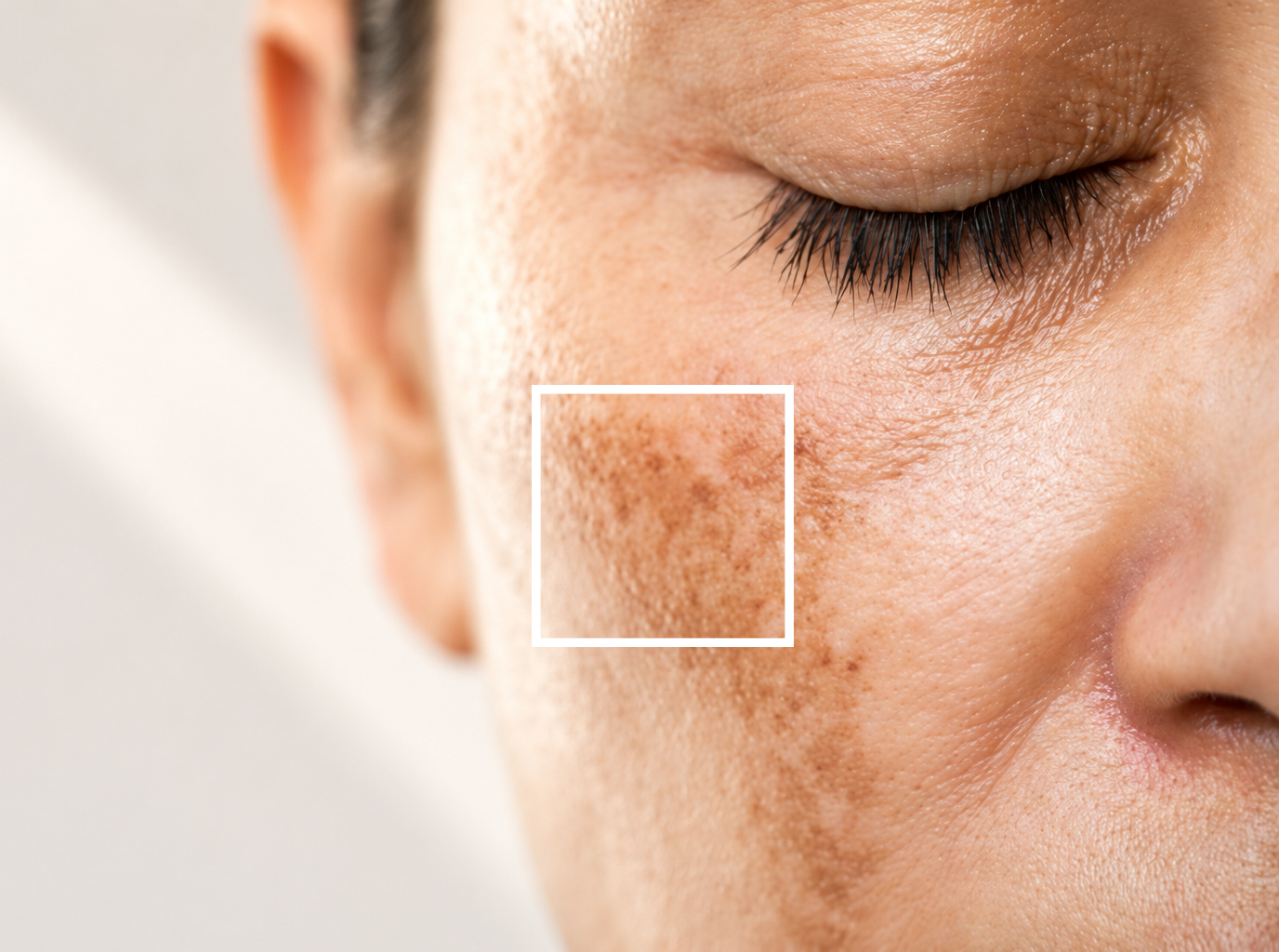
    Gros plan sur la joue d’une femme présentant des taches pigmentaires brunes et une hyperpigmentation visible sur la peau.

    Pigmentation Spots: Why They Appear and How to Treat Them

    One day, you notice a brown spot on your face or décolletage… then another. Over time, sun exposure or hormonal changes related to pregnancy can cause these little marks to appear on your skin uninvited. And while they are generally harmless, they are rarely welcome!

    Good news: understanding what causes pigmentation spots can help you choose the right approach to reduce their appearance.

    Why Do Pigmentation Spots Appear?

    The main culprit? Melanin, the pigment that gives skin its colour. When exposed to sunlight, the cells that produce it, called melanocytes, generate more melanin to absorb some of the UV rays. This is what creates a tan… a glow that actually indicates UV damage rather than healthy skin.

    Over time, repeated sun exposure can cause melanin to accumulate in certain areas, creating darker patches known as hyperpigmentation. Hormones, inflammation, and individual predisposition can also play a role. That’s why a mark left behind by acne and a patch that appears during pregnancy require different approaches.

    Three Types of Pigmentation Spots to Recognize

    Solar Lentigines (Sun Spots)

    These small, flat, usually well-defined spots commonly appear on the face, décolletage, and hands. Often called “age spots,” they are primarily caused by repeated UV exposure.

    Melasma

    Melasma causes brown or greyish patches, often appearing symmetrically on the cheeks, forehead, or above the upper lip. Hormonal fluctuations, such as those occurring during pregnancy or while taking contraceptives, can contribute to its development. It is sometimes referred to as the “mask of pregnancy.” Sun exposure and genetics also play a role.

    Post-Inflammatory Hyperpigmentation

    A pimple disappears, but a brown mark remains? It could be post-inflammatory hyperpigmentation. This occurs after skin inflammation or injury, such as acne, eczema, burns, or irritation.

    These marks are particularly common and persistent on medium to dark skin tones. They are not necessarily scars: the skin’s colour may change without any alteration in texture.

    What Happens If Pigmentation Spots Are Left Untreated?

    It depends on the type of pigmentation spot, as they don’t all evolve in the same way.

    Solar lentigines tend to persist and may become more noticeable with continued sun exposure. New spots may also develop. Melasma can fluctuate for years, although it sometimes fades after childbirth. Post-inflammatory marks may gradually fade on their own, but patience is essential: this can take several months or even longer.

    These benign spots do not require treatment unless their appearance bothers you.

    However, any unusual new skin lesion or spot that changes in size, shape, or colour should be evaluated by a physician before undergoing any aesthetic treatment. Some skin conditions requiring medical attention can resemble ordinary brown spots

    What Can Photorejuvenation Do?

    Photorejuvenation can be an interesting option, particularly for solar lentigines. At Epiderma, Elos Plus technology combines intense pulsed light (IPL) with bipolar radiofrequency to gradually reduce their appearance and improve skin tone uniformity.

    After a session, the treated areas may temporarily darken before gradually fading over the following weeks. Some improvement may be visible after the first appointment, although several sessions are generally needed to achieve more noticeable results.

    Melasma requires a different approach. A preliminary assessment helps determine the most appropriate treatments based on the cause of the pigmentation and the individual’s skin type, while minimizing the risk of making it worse.

    At-Home Habits That Make a Difference

    Whether or not you choose professional treatments, the first step is simple: protect your skin from the sun. Even on cloudy days.

    Your skin’s best friend, summer and winter alike, is broad-spectrum sunscreen with an SPF of at least 30, combined with wearing a hat and seeking shade. Applying sunscreen consistently helps prevent new spots from forming and existing ones from becoming darker.

    A good at-home skincare routine is also essential. A serum containing vitamin C can help brighten the complexion and protect against oxidative stress. Other active ingredients, such as azelaic acid or retinol, may also be beneficial depending on your skin type.

    However, there’s no need to fill your shelves with products. Choosing the right ingredients and knowing how to use them before and after treatments is best done with professional guidance to avoid irritation.

    Your Skin, Your Choice

    Would you like to reduce the appearance of pigmentation spots? During a personalized consultation, the Epiderma team can recommend a treatment plan that combines in-clinic technologies and skincare treatments with the right at-home habits. Our experts can also recommend products to use at home to help maximize your results.
  • Why Physical Activity Alone Is Not Always Enough Against Cellulite

    Why Physical Activity Alone Is Not Always Enough Against Cellulite

    Why Physical Activity Alone Is Not Always Enough Against Cellulite

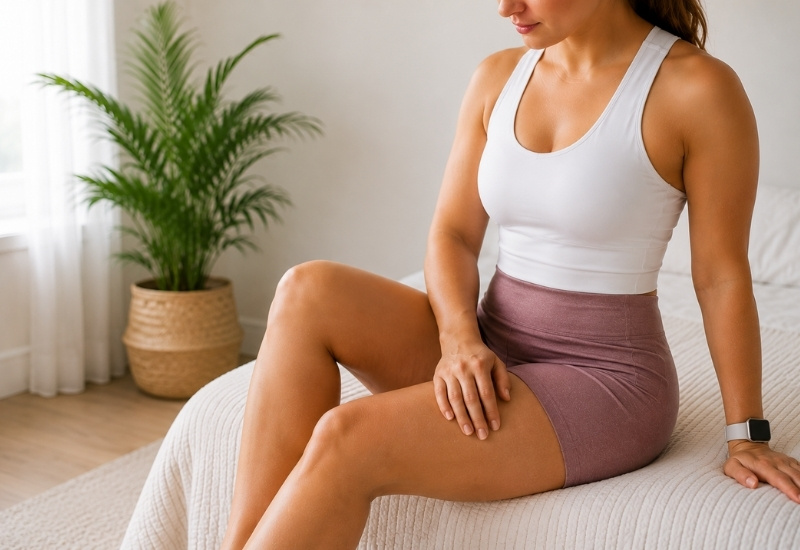
    Woman in activewear sitting on a bed in a calming environment, illustrating cellulite and skin texture concerns despite physical activity.

    Cellulite is an extremely common concern affecting up to 80–90% of women, including those who are slim or very active. While physical activity can help improve skin appearance and muscle tone, it does not always completely eliminate the dimpled appearance of cellulite.

    Why? Because cellulite is more complex than a simple accumulation of fat.

    What Exactly Is Cellulite?

    Cellulite is a change in the structure beneath the skin. It appears when fat cells push against the surface of the skin while fibrous connective bands pull the skin downward, creating the uneven or dimpled appearance often seen on the thighs, buttocks, abdomen, or arms.

    Several factors can influence its appearance:

    • Genetics
    • Hormones
    • Blood and lymphatic circulation
    • Water retention
    • Skin aging
    • Skin laxity
    • Weight fluctuations

    This is why even athletic women can have cellulite.

    Exercise Helps… But It Has Its Limits

    Physical activity remains excellent for overall health and can certainly help improve the appearance of cellulite.

    Exercise may help:

    • Tone the muscles
    • Reduce body fat percentage
    • Promote better circulation
    • Improve overall skin firmness

    However, exercise does not always change the fibrous bands responsible for the dimpled appearance or certain factors related to skin texture and circulation.

    This is often why many people notice improvements in their body shape while still seeing cellulite in certain areas.

    Why Do Some Active Women Still Have Cellulite?

    Cellulite is not necessarily linked to weight or physical condition. Some very athletic women may have more cellulite than others simply because of genetics, hormones, or skin quality.

    As we age, natural collagen production also decreases, which can increase skin laxity and make cellulite more visible.

    That is why it is important to adopt a realistic approach: the goal is not perfection, but rather improving the texture and overall appearance of the skin.

    Advanced Technologies to Improve the Appearance of Cellulite

    When a healthy lifestyle is combined with appropriate treatments, visible improvement in cellulite and skin firmness is possible.

    At Epiderma, we use advanced technologies such as VelaShape III and Venus Legacy to target multiple components of cellulite simultaneously.

    These technologies combine controlled heat, radiofrequency, gentle suction, collagen stimulation, and improved circulation to address several aspects of cellulite at the same time.

    The treatment helps reduce the appearance of dimpling, firm the skin, improve skin texture, and visibly smooth certain areas of the body.

    Non-invasive and surgery-free, these treatments allow patients to quickly resume normal activities after each session.

    Progressive and Natural-Looking Results

    Results may vary depending on skin condition, the type of cellulite, and lifestyle habits, but many people gradually notice smoother, firmer skin and an overall improvement in the appearance of treated areas.

    A series of treatments is generally recommended to optimize results.

    Book a Free Consultation

    Would you like to better understand the possible causes of your cellulite and discover solutions adapted to your skin and goals?

    Our teams support you with a personalized approach and recognized aesthetic medicine technologies.

    Book your free consultation today at Epiderma and discover available treatment options.

    Your medical aesthetic technician may also recommend at-home products to help maximize results.

  • How to Prolong the Effects of Your Cellulite Treatments at Home

    How to Prolong the Effects of Your Cellulite Treatments at Home

    How to Prolong the Effects of Your Cellulite Treatments at Home

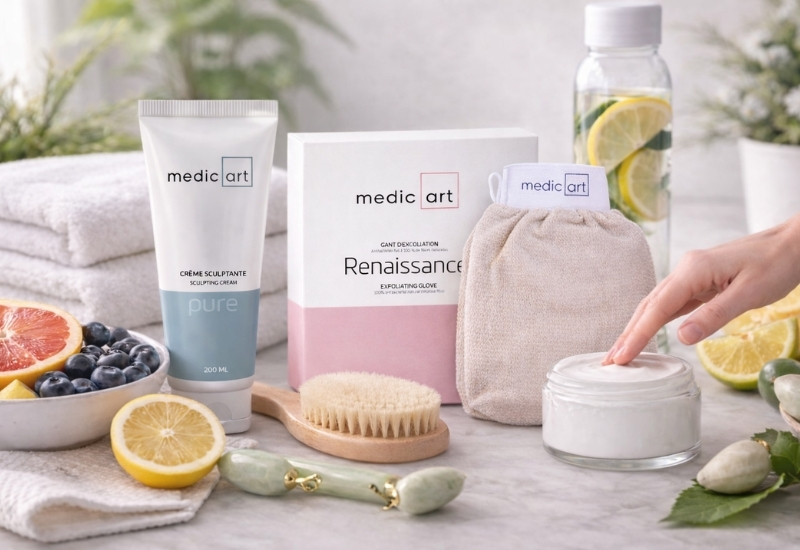
    At-home beauty routine to improve the appearance of cellulite and smooth skin texture.

    In this article, we share four tips to help you optimize your results. 

    1. Physical Activity 

    To help reduce the appearance of cellulite, engaging in physical activity at least three times per week is recommended. 

    There are many free mobile apps and YouTube videos to keep you motivated: running, yoga, strength training, cardio, and more. 

    Lace up your shoes and enjoy your workout! 

    2. Nutrition 

    Diet plays an important role in the development of cellulite — but it can also become your greatest ally. 

    By adopting balanced eating habits: 

    • Avoid overly salty or sugaryfoods 
    • Drink approximately eight glasses of water per day 

    These habits help improve skin quality and support natural drainage. 

    3. Skin Exfoliation 

    In the shower, use the Medicart Renaissance Glove daily, applying gentle circular motions toward the heart. 

    This routine helps stimulate microcirculation and prepares the skin for subsequent treatments. 

    Your skin will thank you! 

    4. Skin Firming 

    Once your skin is properly exfoliated, apply the Medicart Sculpting Cream, specifically designed to enhance the results of your medico-esthetic treatments. 

    The Sculpting Cream is an innovative targeted body-contouring formula (abdomen, thighs, hips, knees, and arms). 

    It acts as a firming and anti-aging treatment ideal for: 

    • Smoothing the skin 
    • Reducing the appearance of cellulite 
    • Improving skin tone 

    When combined with healthy nutrition and regular physical activity, its effectiveness is maximized. 

    Suitable for all skin types, including sensitive skin, optimal results are achieved when applied twice daily for eight weeks. 

    The Cellulite & Body Contouring Duo also helps improve local circulation, reduce discomfort, and promote smoother, firmer skin. Available in our online store. 

    To Learn More 

    Explore: 

  • How to Achieve Radiant Skin Before Your Wedding 

    How to Achieve Radiant Skin Before Your Wedding 

    How to Achieve Radiant Skin Before Your Wedding 

    Femme préparant sa peau avant son mariage avec des soins du visage en clinique pour obtenir un teint éclatant

    For an Instant Glow and Healthy Radiance 

    Microdermabrasion is a skin treatment that removes the outer layer of dead skin cells, revealing fresher, smoother, and more radiant skin. A series of four to six treatments, performed every two weeks, is recommended for optimal results. 

    Chemical peels are also excellent for enhancing skin radiance. Allure peels, the Revitalizing Micro-Peel, or a single glow peel may be selected based on your skin’s needs. These treatments help eliminate dead skin cells and stimulate collagen production, improving both texture and appearance. 

    Photorejuvenation is another option for evening out skin tone while reducing pigmentation spots and redness. This technique uses light pulses to stimulate collagen production and improve overall skin clarity. 

    Microneedling stimulates collagen production, helping improve skin texture and quality. This treatment supports tissue regeneration and is particularly beneficial for softening fine lines and acne scars. 

    Finally, neuromodulator or dermal filler injections may be considered to enhance facial features before your wedding. 

    Dermal fillers help soften under-eye hollows, restore facial volume, and refine contours — all without surgery. 

    Neuromodulator injections help reduce visible signs of aging such as wrinkles, crow’s feet, and tired-looking features. 

    For the Body: Improving Skin Appearance 

    Body contouring treatments help reduce the appearance of cellulite and improve skin firmness.

    A series of treatments may be recommended depending on your goals. 

    Sclerotherapy is also a popular treatment for minimizing visible varicose and spider veins on the legs, helping achieve a smoother, more even appearance. 

    Enhance and Maintain Your Results: Product Recommendations 

    Alongside treatments, using the right skincare products is essential. 

    Exfoliants such as the Medicart Triple Action Exfoliant help remove dead skin cells and refine skin texture. 

    Masks like the Medicart Soothing Mask or Hydrating Anti-Stress Mask help hydrate and calm the skin. 

    When Should You Start Your Wedding Skincare Plan? 

    6 Months Before 

    • Microneedling 
    • Photorejuvenation 
    • Body contouring & cellulite treatments 
    • Sclerotherapy for varicose veins 

    3 Months Before 

    • Series of chemical peels 
    • Microdermabrasion series 
    • Dermal fillers if needed 

    1 Month Before 

    • Chemical peel 
    • Vivier facial 
    • Neuromodulators for optimal results 

    1 Week Before 

    • Hydrating facial 
    • Soothing masks 
    • Avoid aggressive treatments 

    2 Days Before 

    • Hydration 
    • Gentle skincare routine 
    • Skin rest 

    Need Personalized Advice? 

    Not sure which treatment is right for you? 

    Book a complimentary consultation with one of our medico-esthetic technicians today. 

    Schedule Your Free Consultation