Category: Préoccupations

  • Let’s Talk Peels: The “New Skin” Effect 

    Let’s Talk Peels: The “New Skin” Effect 

    Let’s Talk Peels: The “New Skin” Effect

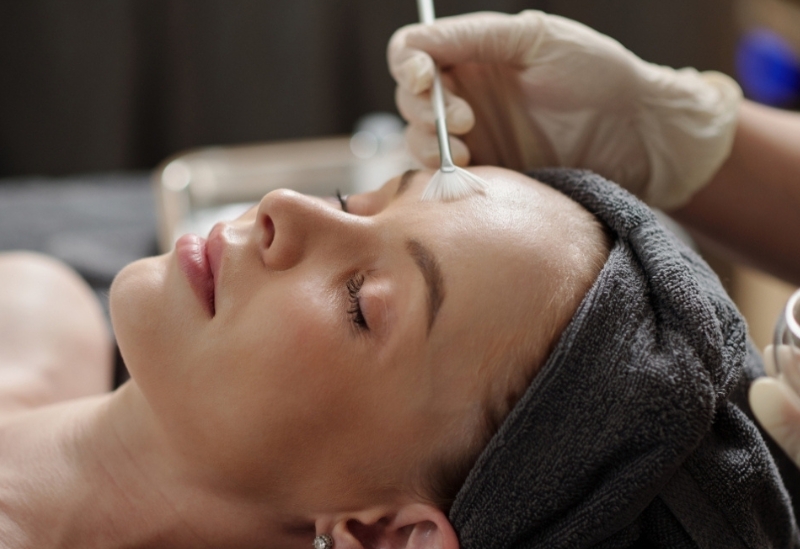
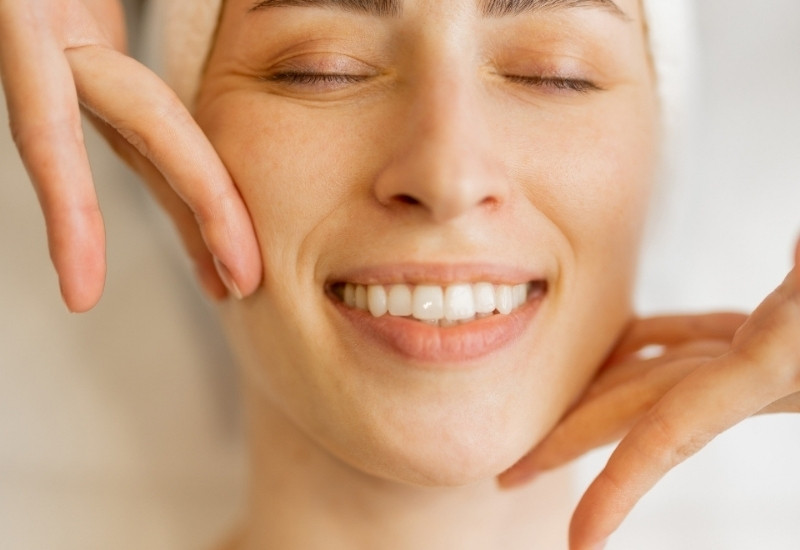
    Application d’un peeling professionnel Vivier sur le visage d'une femme.

    A Bit of History 

    Since ancient times, women have used natural acids to exfoliate and brighten their skin: 

    • Tartaric acid derived from wine sediment in Egypt 
    • Citric acid from lemons during the Renaissance 
    • Glycolic acid extracted from sugar cane, still widely used today 

    Modern science has refined these methods to deliver treatments that are safer, more precise, and significantly more effective. 

    What Exactly Is a Peel? 

    A peel is a professional exfoliatingtreatment that stimulates skin renewal by removing dead skin cells. 

    It helps to: 

    • Refine skin texture 
    • Even out the complexion 
    • Reduce the appearance of pigmentation spots 
    • Minimize imperfections 
    • Enhance radiance 
    • Smooth fine lines 

    The treatment involves applying an exfoliating solution with a brush or a soft compress. The solution remains on the skin for a few minutes before being gently neutralized. 

    A peel does not damage the skin — it regenerates it. 

    Types of Peels and Their Active Ingredients 

    1 — Glycolic Acid Peel (AHA) 

    Derived from sugar cane, glycolic acid is one of the most widely used exfoliating agents due to its small molecular size, which allows it to penetrate the skin easily. It provides a fine yet deep exfoliation, improves radiance, softens dark spots, and leaves the skin smoother and more even.

    This peel comes in two forms. 

    • The aesthetic version, which is gentler, contains a lower concentration of AHAs. It requires multiple sessions and delivers gradual, subtle results.
    • The medico-aesthetic version is more concentrated and works deeper within the skin. It is particularly effective for reducing the appearance of enlarged pores, smoothing uneven texture, reviving dull complexions, and improving residual acne marks as well as early signs of aging.

    2 — Salicylic Acid Peel (BHA) 

    Derived from willow bark, salicylic acid is a key ingredient for oily, acne-prone, or congested skin. Unlike AHAs, it is oil-soluble, allowing it to penetrate inside the pores.

    This type of peel helps dissolve comedones, reduce breakouts, calm inflammation, and lower the risk of acne-related scarring. It is ideal for skin affected by excess shine, blackheads, or recurring imperfections.

    3 — Combination Peel (AHA + BHA) 

    Combination peels leverage the benefits of both acid families — glycolic (AHA) and salicylic (BHA). This formula is ideal for acne-prone, uneven, or hyperpigmented skin.

    In a single treatment, the skin benefits from both surface and deeper exfoliation, helping to smooth texture, even out tone, and improve the appearance of imperfections.

    What Happens During a Professional Peel? 

    A typical treatment includes: 

    • A consultation to assess the skin 
    • Application of the exfoliating solution 
    • A 3 to 5-minute exposure time 
    • Gentle neutralization 
    • Post-treatment skincare recommendations 

    It is normal to experience: 

    • Mild tingling 
    • Slight redness 
    • Light peeling in the following days 

    Results appear quickly: a brighter complexion, smoother skin, and less visible pores. 

    Contraindications 

    A peel is not recommended in cases of: 

    • Pregnancy or breastfeeding 
    • Active dermatitis or inflammatory flare-ups 
    • Unstable chronic skin conditions 
    • Allergy to any active ingredient 
    • Recent sun exposure 

    A proper evaluation is essential to ensure a safe treatment. 

    Conclusion: New Skin Within Reach 

    Modern peels are far gentler, better controlled, and more effective than ever before. They provide a true radiance boost for dull, uneven, or imperfect skin. 

    If you’d like to refresh your complexion, smooth your skin, or improve certain irregularities: 

    Book a complimentary consultation with a medico-aesthetic technician. 
  • How Epiderma’s Medical Leadership Oversees Laser Hair Removal Protocols

    How Epiderma’s Medical Leadership Oversees Laser Hair Removal Protocols

    How Epiderma’s Medical Leadership Oversees Laser Hair Removal Protocols

    Laser hair removal supervised by our medical team for safe and effective results.

    Medical Leadership Dedicated to Safety and Performance 

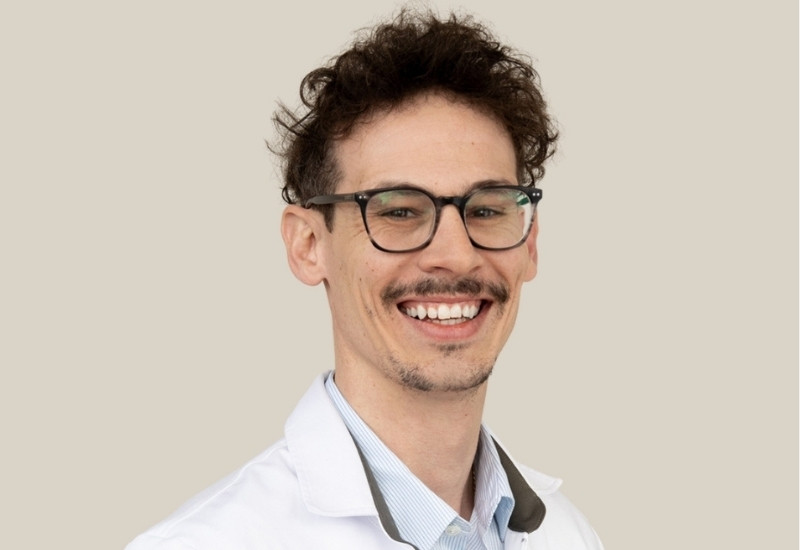
    A general practitioner by training, Dr. Du Cap has practiced aesthetic medicine and phlebology at Epiderma since 2012. With extensive clinical experience and technological expertise, he has served as Medical Director since 2018

    His mandate: 

    • Oversee medical practices across clinics 
    • Define and update protocols for each technology 
    • Train and support teams to ensure treatments are safe, effective, and consistent throughout the network 

    Rigorous Protocols Guided by Medical Leadership 

    Laser hair removal relies on powerful devices and precise parameters. This is why specialized medical supervision is essential. 

    Dr. Du Cap is responsible for: 

    • Developing and updating clinical protocols 
    • Evaluating technologies and indications 
    • Designing comprehensive training programs for technicians 
    • Ensuring quality standards across all Epiderma clinics 

    These protocols are developed in collaboration with experienced trainers and cover: 

    • Skin and hair assessment 
    • Comprehensive client evaluation 
    • Regional mapping to optimize results 
    • Technology- and skin-specific parameters 
    • Safety measures for both clients and staff 

    The objective is to deliver consistent, standardized, and highly safe treatments across Québec. 

    Proven and Approved Technologies 

    Epiderma is committed to using only technologies that are: 

    • Approved by Health Canada 
    • Supported by scientific research 
    • Recognized for their safety and effectiveness 

    “We ensure that every new technology or treatment is based on evidence-based data to guarantee optimal patient care,” emphasizes Dr. Du Cap. 

    Continuous Training and Daily Support 

    Beyond protocol development, Dr. Du Cap supervises the ongoing training of medical staff and technicians

    His role: 

    • Keep knowledge up to date 
    • Integrate innovations 
    • Support professional development 
    • Maintain constant clinical oversight 

    Both patients and clinic teams benefit from medical supervision available at all times, reinforcing treatment quality and safety. 

    Why This Medical Oversight Matters for You 

    Thanks to Dr. Du Cap and Epiderma’s medical leadership, every client benefits from: 

    ✔ Consistent and reliable treatments 

    ✔ Parameters tailored to their skin and goals 

    ✔ Optimal safety 

    ✔ More predictable and effective results 

    ✔ Care grounded in science and rigor 

    This level of medical oversight is unique in the industry and has helped position Epiderma as a leader in laser hair removal in Québec for over 20 years. 

    Wondering if laser hair removal is right for your skin and hair type? 

    Book your complimentary evaluation with one of our professionals today. 

    BOOK AN APPOINTMENT

  • Permanent Hair Removal: Laser vs Intense Pulsed Light (IPL) 

    Permanent Hair Removal: Laser vs Intense Pulsed Light (IPL) 

    Permanent Hair Removal: Laser vs Intense Pulsed Light (IPL)

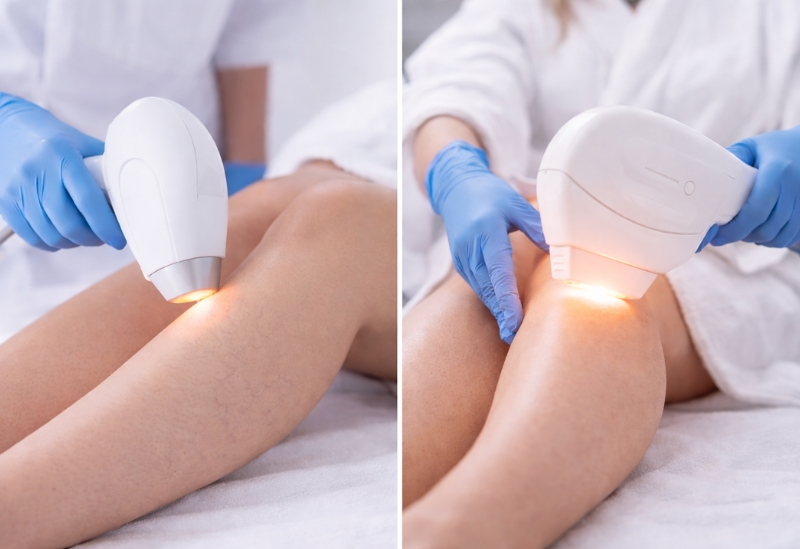
    Medical aesthetic technician performing a laser hair removal treatment on a client at an Epiderma clinic.

    Here is a clear and updated guide comparing laser hair removal — the technology used in all our clinics — and Intense Pulsed Light (IPL), which is more limited and variable.

    How Does Permanent Hair Removal Work?

    Both laser and IPL are based on the same principle:

    Light is absorbed by the melanin in the hair, then converted into heat to destroy the follicle responsible for regrowth.

    Effectiveness, however, depends on the precision, selectivity, and power of the technology used — and this is where laser stands out.

    1 — Laser Hair Removal: The Gold Standard

    For over 25 years, laser technology has been recognized as the most effective, precise, and reliable solution for hair reduction.

    More Targeted Technology

    • Monochromatic, highly selective light
    • Coherent beam that precisely targets the hair from the bulge to the bulb
    • High precision, even in delicate areas

    Enhanced Safety

    Modern lasers feature integrated cooling systems that reduce discomfort and help prevent overheating.

    Suitable for More Skin Types

    Unlike IPL, laser treatments can be safely adapted for:

    • Fair skin
    • Medium skin
    • Darker skin

    → Making it a more inclusive and safer option.

    Fast and Long-Lasting Results

    On average:

    • 5 to 6 sessions
    • Approximately 80% hair reduction (depending on area and skin type)

    Laser hair removal remains the preferred choice for consistent, long-term results.

    2 — Intense Pulsed Light (IPL): Less Precision

    IPL uses a flash lamp that emits a broad spectrum of light, making it less targeted than laser technology.

    Main Limitations

    • Polychromatic, less selective light
    • More variable results
    • Larger treatment head, reducing precision
    • Less effective on deeply rooted or very dark hair

    Compatible Skin Types

    IPL is suitable only for:

    • Very fair skin
    • Dark hair

    It is contraindicated for medium, darker, tanned, or recently sun-exposed skin.

    Results

    Typically requires more sessions, with less consistent and less durable outcomes.

    Use Cases

    IPL may help:

    • Miniaturize certain hairs
    • Lighten finer hair

    However, it does not match the effectiveness of laser for permanent hair reduction.

    3 — Important Contraindications

    Both technologies should be avoided in the following cases:

    • White, light red, or very blonde hair
    • Use of photosensitizing medications
    • Photodermatoses
    • Pregnancy
    • Tattooed areas
    • Recent sun exposure (especially for IPL)

    A personalized assessment is essential to ensure safe treatment.

    Why Choose Laser Hair Removal at Epiderma?

    In all our clinics, we exclusively offer laser hair removal because it provides:

    Superior Long-Term Results

    • Durable reduction
    • Finer hair
    • Slower regrowth

    Maximum Safety

    • Health Canada–approved technologies
    • Precise calibration
    • Integrated cooling systems

    Comprehensive Professional Care

    Treatments performed by medico-aesthetic technicians under medical supervision.

    Personalized Approach

    Each assessment determines:

    • Laser compatibility
    • Required precautions
    • Optimal treatment plan based on skin and goals

    Our commitment: effective, safe, and personalized treatments.

    Conclusion

    Laser hair removal remains the most effective, precise, and safest solution for long-term hair reduction. In comparison, IPL presents more limitations, less precision, and is not suitable for all skin phototypes.

    To determine whether laser treatment is right for you, a personalized evaluation is the essential first step.

    Book your free laser hair removal consultation

  • 5 Effective Massages to Reduce the Appearance of Cellulite 

    5 Effective Massages to Reduce the Appearance of Cellulite 

    5 Effective Massages to Reduce the Appearance of Cellulite 

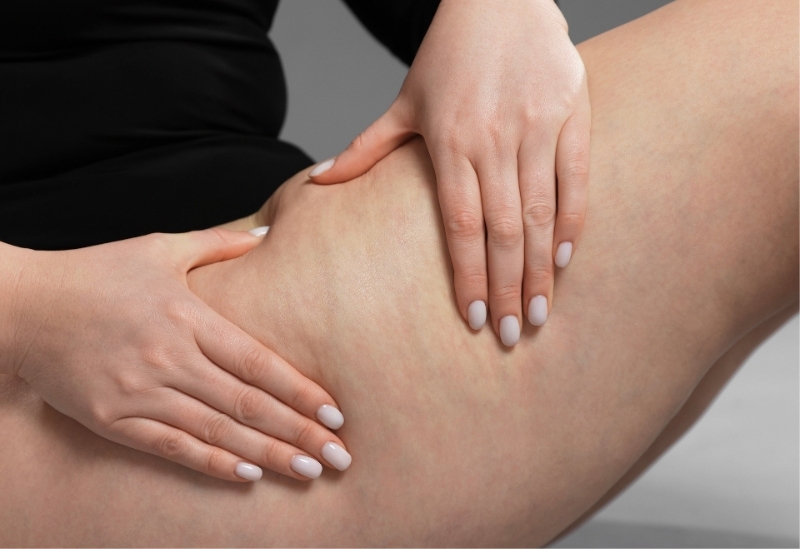
    Techniques de massage anticellulite pour lisser la peau et améliorer la circulation

    Here are five simple and effective massage techniques to incorporate into your beauty routine, along with tips to optimize your results. 

    For best results, we recommend using the Renaissance Glove and Medicart Sculpting Cream, available in the Epiderma online store

    1. Effleurage: Preparing the Skin 

    Effleurage gently warms the tissues and prepares the skin for more intensive techniques. 

    Steps to follow: 

    • Glide your fingertips over the skin 
    • Always work in upward motions 
    • Use soft circular movements 
    • Repeat using flat hands, lightly brushing the surface 

    This massage gently activates circulation and increases tissue responsiveness. 

    2. Palpate-and-Roll: The Classic Technique 

    A must-have technique, palpate-and-roll stimulates exchanges within the skin layers and helps reduce the appearance of dimpling. 

    Steps to follow: 

    • Pinch a fold of skin between your thumb and fingers 
    • Roll the skin while moving forward gradually 
    • Work one area at a time 

    This technique requires some practice but delivers highly visible results. 

    Techniques de massage anticellulite pour lisser la peau et améliorer la circulation

    3. Circular Pressure: Boosting Microcirculation 

    Pressure movements stimulate blood and lymphatic circulation, supporting toxin elimination and tissue oxygenation. 

    Steps to follow: 

    • Enclose the targeted area with one hand 
    • Apply consistent pressure with your fingers 
    • Perform circular motions clockwise 
    • Massage perpendicular to the muscles 

    Ideal before applying a firming or toning cream. 

    4. Percussion Movements: Awakening the Tissues 

    Percussions help tone the skin and stimulate circulation. 

    Steps to follow: 

    • Keep fists lightly closed with relaxed wrists 

    • Tap the skin gently and rhythmically 

    • Avoid the inner thighs 

    This energizing technique works particularly well at the end of your routine. 

    5. Kneading 

    Kneading relaxes muscles, softens tissues, and improves skin texture. 

    Steps to follow: 

    • Place hands flat with thumbs apart 
    • Gently grasp the tissue between both hands 
    • Perform a soft twisting motion 
    • Focus on thighs, buttocks, and hips 

    This massage perfectly complements an anti-cellulite routine. 

    Combining Massage with the Right Products 

    To maximize results: 

    • Perform massages daily or several times per week 
    • Massage each area for 5 to 10 minutes 
    • Use appropriate tools or products (Renaissance Glove, Medicart Sculpting Cream) 
    • Always work upward, following venous circulation 

    Massages help improve skin appearance but do not replace professional treatments such as body contouring or specialized cellulite therapies offered in clinic. 

    Conclusion 

    Incorporating these five massage techniques into your routine helps firm the skin, stimulate microcirculation, and improve the appearance of cellulite. 

    When combined with quality products and professional treatments, results can become even more visible and long-lasting. 

    Source: Le Journal des Femmes 

  • Skin Aging: Understanding and Preventing It 

    Skin Aging: Understanding and Preventing It 

    Skin Aging: Understanding and Preventing It

    Illustration of skin aging and the different layers of the skin

    Over time, skin cells take longer to migrate from the deepest layer to the surface — a process that typically lasts between four to five weeks. This phenomenon is amplified by excessive sun or UV exposure, which causes the stratum corneum (the outermost layer of the epidermis) to thicken as a protective response.

    But what are the specific effects of skin aging on the different layers of the skin?

    The Effects of Aging on the Skin’s Layers

    The Epidermis

    • Dryness and dehydration: Sebum production decreases with age, affecting the skin’s protective barrier. As a result, the skin becomes drier and less capable of retaining moisture.
    • Irregular pigmentation: Pigment-producing cells may become dysfunctional, leading to the appearance of pigmentation spots.
    • Thinning: The skin loses density, making the epidermis thinner while the outer layer thickens. This contributes to uneven texture and a dull complexion.
    • Slower cell renewal: The skin’s regenerative capacity diminishes, delaying healing.

    The Dermo-Epidermal Junction

    • Reduced nutrient exchange: The junction between the dermis and epidermis gradually flattens, decreasing cohesion and limiting nutrient transfer.

    The Dermis

    • Dehydration: Water retention becomes less efficient due to decreased hyaluronic acid synthesis.
    • Deeper wrinkles: Collagen quality and quantity decline, leading to more pronounced wrinkles.
    • Loss of firmness: Collagen fibers stiffen and separate, reducing skin firmness.
    • Reduced elasticity: Elastin fibers diminish, decreasing skin elasticity and tone.
    • Skin paleness: Reduced vascularization may contribute to a paler complexion and altered thermoregulation.

    The Hypodermis

    • Sagging of fat mass:Volume loss in the hypodermis accentuates skin laxity.

    Factors Contributing to Premature Skin Aging

    Premature skin aging is largely influenced by external factors such as sun exposure, cold weather, pollution, smoking, alcohol consumption, stress, and an unbalanced diet. These elements generate free radicals that damage essential skin structures — including collagen, elastin, cellular lipids, and DNA — accelerating visible aging and increasing health risks. Fortunately, antioxidants play a protective role.

    Solutions

    Antioxidants

    The body naturally relies on antioxidants to defend against free radicals. While some are produced internally, others must be obtained through diet or topical application. Vitamins E, C, and A are particularly effective when combined.

    Topical antioxidants can help:

    • Reduce free radical damage
    • Support the skin’s natural defense system
    • Decrease inflammation that degrades collagen
    • Protect against UV-related damage

    Although antioxidants cannot reverse skin aging, they are essential for preventing its visible signs.

    If wrinkles deepen, firmness declines rapidly, or pigmentation spots become more pronounced, a personalized clinical evaluation can help identify the most appropriate treatments based on the affected skin layers.

    Aesthetic Treatments

    Several treatments can help minimize visible signs of aging:

    • Glycolic Peel: Using glycolic acid (AHA), this treatment exfoliates the skin by breaking down the bonds between dead skin cells.
    • Microdermabrasion: This technique removes dead skin cells from the outer layer, leaving the skin smoother and more refined.
    • Photorejuvenation: Stimulates collagen production, improving skin tone and reducing superficial wrinkles.
    • Neuromodulator Injections: Relax facial muscles to soften expression lines, particularly on the forehead and around the eyes.


    Combined with proper sun protection and a tailored skincare routine, these professional treatments help preserve skin health and youthful appearance over time.

    Would you like to better understand your skin’s condition and target the most suitable treatments? Book your personalized skin evaluation with one of our professionals.

    BOOK AN APPOINTMENT

  • Wrinkle Fillers: Everything You Need to Know

    Wrinkle Fillers: Everything You Need to Know

    Wrinkle Fillers: Everything You Need to Know

    Wrinkle treatment with neuromodulator and hyaluronic acid injections on the face

    Here is a simple and comprehensive guide to better understand these anti-aging solutions.

    What Does “Filling Wrinkles” Mean?

    Over time, repeated facial muscle movements combined with the gradual loss of skin elasticity lead to the formation of wrinkles.

    Commonly observed areas include:

    • Forehead lines
    • Frown lines (between the eyebrows)
    • Crow’s feet
    • Lines around the mouth and nose
    • Neck lines
    • Nose lines (bunny lines)

    Depending on their cause — expression-related or volume loss — two types of injections are used to reduce their appearance: neuromodulator injections and hyaluronic acid injections.

    1. Neuromodulator Injections: Smoothing Expression Lines

    Neuromodulator injections are primarily used in the upper part of the face. They work by relaxing the muscles responsible for expression lines.

    Key facts:

    • Quick treatment: approximately 15 minutes
    • No downtime: you can resume activities immediately
    • Natural results: a relaxed, not frozen appearance
    • Duration of effects: 3 to 6 months
    • Targets: forehead lines, frown lines, crow’s feet, nose lines

    These injections do not stop aging but help slow the formation of new wrinkles while softening existing ones.

    2. Hyaluronic Acid Injections (Dermal Fillers): Restoring Volume and Smoothing Wrinkles

    Hyaluronic acid is a molecule naturally present in the skin. With age, its levels decrease, leading to sagging and volume loss.

    What do fillers help correct?

    They can:

    • Fill wrinkles caused by skin laxity
    • Redefine cheekbones
    • Restore cheek volume
    • Enhance lip contours
    • Sculpt the jawline
    • Refine nose shape (non-surgical rhinoplasty)
    • Brighten the under-eye area

    Products used, including Juvéderm, are biocompatible and may contain lidocaine to improve comfort.

    Effects:

    • Immediate results
    • Natural, soft, harmonious appearance
    • Duration: up to 18 months (depending on area and product)

    Post-Treatment Precautions

    After neuromodulator injections:

    • Mild redness or small bumps may occur and typically resolve within hours
    • Immediate return to activities
    • Avoid rubbing treated areas for the first few hours

    After hyaluronic acid injections:

    • Possible localized redness: avoid sun and UV exposure
    • Apply ice if needed
    • Avoid intense exercise, heat, and alcohol on the same day

    Before any treatment, your healthcare professional will assess contraindications and provide personalized recommendations.

    Which Treatment Should You Choose?

    Every face is unique. A physician can recommend the most appropriate solution based on:

    • Type of wrinkles
    • Facial structure
    • Areas requiring volume correction
    • Desired results
    • Preferred longevity

    The goal: Natural, harmonious results that respect your beauty.

    Book an appointment for a personalized assessment and discover the options tailored to your face.

  • 4 Tips for Aging Gracefully According to Dr. Mai Ho

    4 Tips for Aging Gracefully According to Dr. Mai Ho

    4 Tips for Aging Gracefully According to Dr. Mai Ho

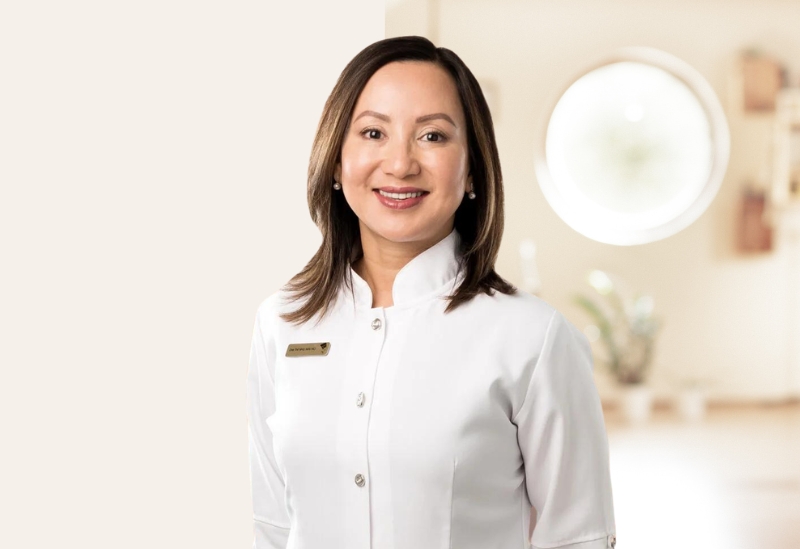
    Dr. Mai Ho, aesthetic medicine physician at Epiderma, smiling in her clinic.

    A Glimpse Into Dr. Mai Ho’s World

    A graduate of the Faculty of Medicine at the Université de Montréal, Dr. Mai Ho initially worked as an emergency physician for 15 years before transitioning into family medicine and later aesthetic medicine.

    “While working at Epiderma, I discovered a deep passion for aesthetic medicine. Having drawn since childhood and being passionate about art, aesthetic medicine allows me to combine my love for medicine, techniques, art, and sculpture.”

    This fusion of medical rigor, attentive listening, and artistic sensibility lies at the heart of her practice.

    A Human, Artistic, and Meticulous Approach

    Many patients place their trust in Dr. Mai Ho because of her delicacy, meticulous attention, and ability to achieve natural-looking outcomes.

    “I believe patients appreciate my work because they know I dedicate my full time and attention to them. I help address their insecurities while delivering the natural results they seek.”

    Guided by a holistic vision, she views the face as a whole and ensures that every treatment preserves the harmony of facial features.

    “Even in family medicine, I am known for taking ample time and providing thorough explanations. Choosing medico-aesthetic treatments often requires courage for many patients. It is therefore my duty to reassure them and explain every aspect of the procedure.”

    What to Expect During a Treatment With Dr. Mai Ho

    A typical treatment generally unfolds in three phases:

    “From the first phase, my patients recognize my sincere desire to help them address certain insecurities while enhancing their natural beauty. I provide honest and thoughtful recommendations.

    During the procedure, patients notice my strong attention to detail and the precision with which treatments are performed. I first design a detailed plan, carefully explaining each step, then administer the treatment while minimizing discomfort.

    Finally, when revealing the results, patients see that their objectives have been achieved with natural, harmonious outcomes and typically very few side effects.”

    Experienced injector with expertise in advanced injection techniques, including microcannula methods and modern aesthetic protocols.

    4 Tips for Aging Gracefully According to Dr. Mai Ho

    1 — Avoid Smoking

    Smoking accelerates skin aging by breaking down collagen and weakening tissue structure. To maintain healthy skin, Dr. Mai Ho strongly recommends avoiding smoking.

    2 — Maintain Physical and Mental Fitness

    She favors Pilates, which combines strength, flexibility, and focus while promoting overall well-being of both body and mind.

    3 — Wear Sunscreen

    UVA rays are present year-round and contribute significantly to premature skin aging. Dr. Mai Ho recommends wearing sunscreen 365 days a year.

    4 — Support Your Face in Combating the Effects of Time

    Since the age of 38, Dr. Mai Ho has adopted a preventive approach:

    “Since the age of 38, I receive neuromodulator treatments every four months and dermal filler treatments once a year to help prevent facial sagging.”

    This gradual strategy helps preserve facial harmony and structure over time.

    Conclusion

    According to Dr. Mai Ho, aging gracefully relies on:

    • Adopting healthy lifestyle habits
    • Daily sun protection
    • Maintaining physical and mental well-being
    • A preventive approach in aesthetic medicine

    For natural, harmonious, and personalized results:

    Book an appointment with Dr. Mai Ho

  • Brown Spots: How Photorejuvenation at Epiderma Can Help You

    Brown Spots: How Photorejuvenation at Epiderma Can Help You

    Brown Spots: How Photorejuvenation at Epiderma Can Help You

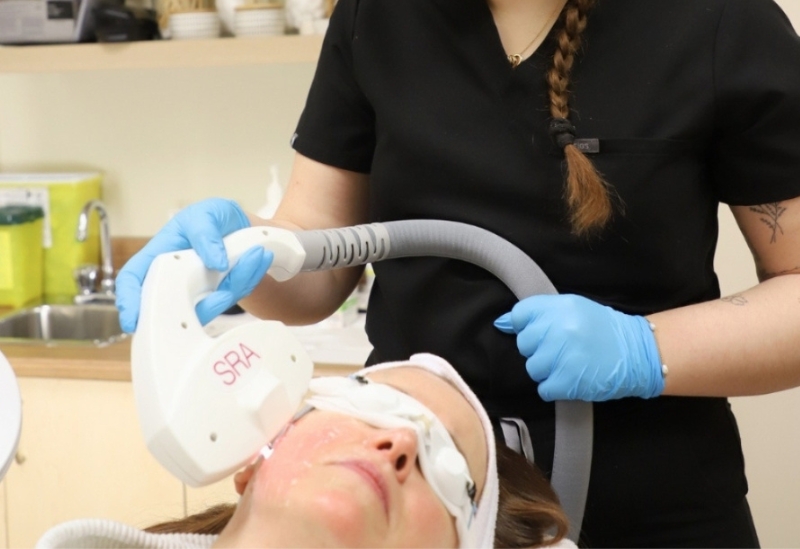
    Photorejuvenation treatment to reduce dark spots and even out skin tone at Epiderma

    These pigmented spots, often caused by prolonged sun exposure without adequate protection, are among the most visible signs of photoaging. Fortunately, effective solutions are now available to restore a clearer, more even complexion.

    At Epiderma, thanks to our rigorous medical framework and expertise in medical aesthetics, we have been offering advanced photorejuvenation treatments since 2022 using Elos Plus technology (SRA applicator). This innovative treatment targets both superficial and deeper layers of the skin to effectively address benign pigmentation concerns such as dark spots, redness, and superficial melasma.

    By combining intense pulsed light (IPL) with thermal energy, photorejuvenation stimulates collagen production beneath the skin without damaging its surface. The result is progressively clearer, smoother, and more radiant skin, with a restored natural glow, minimal discomfort, and little to no downtime.

    Before/after photorejuvenation at Epiderma showing improved skin tone, smoother texture, and reduced spots.

    “Photorejuvenation allows for gradual improvement in skin quality, with results that can last for several months,” explains Dr. Alexis Du Cap, Medical Director at Epiderma.

    Whether you are looking to reduce pigmentation, refine skin texture, or revive your complexion’s radiance, Elos Plus photorejuvenation is a safe, quick, and effective solution performed under medical supervision in our clinics.

    Book a free consultation and discover how we can help you achieve radiant skin.

  • Three Targeted Peeling Programs

    Three Targeted Peeling Programs

    Three Targeted Peeling Programs

    Application of a professional facial peel at an Epiderma clinic.

    What is a professional peel?

    A peel is a skin-resurfacing treatment that exfoliates the superficial layer of the skin to stimulate cell renewal.

    During the session:

    • a solution is applied to the entire face using gauze
    • it remains active for 3 to 5 minutes under the constant supervision of a medical aesthetic technician
    • the treatment is safe, non-invasive, and self-neutralizing

    Peels are particularly effective for treating:

    • enlarged pores
    • pigmentation spots
    • acne and residual marks
    • fine lines
    • uneven skin tone
    • sun damage

    1 — Allure Peel

    For skin showing advanced signs of aging

    This professional peel promotes controlled exfoliation and helps reduce:

    • the appearance of age spots
    • enlarged pores
    • wrinkles and fine lines
    • hyperpigmentation

    The Allure Peel revitalizes the skin, restores radiance and uniformity, and contributes to a smoother, more youthful appearance.

    2 — Neutra-Acne Peel

    For oily, acne-prone, or blemish-prone skin

    Formulated to soothe inflammation and regulate sebum production, this peel provides:

    • deep exfoliation
    • antibacterial and anti-inflammatory action
    • rapid improvement in skin texture

    It helps to:

    • reduce breakouts and blemishes
    • dissolve comedones
    • unclog blackheads and microcysts
    • reduce mild to moderate acne scarring

    This 8-week program includes:

    • two in-clinic peels
    • a home-care kit to prolong results

    3 — Revitalizing Micro-Peel

    To improve radiance, texture, and tone uniformity (ages 20–50)

    This program combines microdermabrasion and a peel for deeper, more even exfoliation.

    Microdermabrasion uses a stream of microcrystals to exfoliate the skin and enhance peel penetration.

    Observed results:

    • reduction of enlarged pores
    • improved skin texture
    • diminished pigmentation spots
    • visibly smoother, brighter skin

    The standard program lasts 16 weeks and includes:

    • three combined treatments (microdermabrasion + peel)
    • a home-care kit

    An extended 18-week version adds an extra session for enhanced firming and radiance.

    Conclusion: Which program is right for you?

    Each peel works differently depending on skin type, sensitivity, and desired results.

    To determine the most suitable program for your skin:


    Book a free skin evaluation.


    Our medical aesthetic technicians will guide you toward the most appropriate treatment to reveal a more even, radiant, and revitalized complexion.

  • Understanding Injectable Treatments with the Network’s Medical Director

    Understanding Injectable Treatments with the Network’s Medical Director

    Understanding Injectable Treatments with the Network’s Medical Director

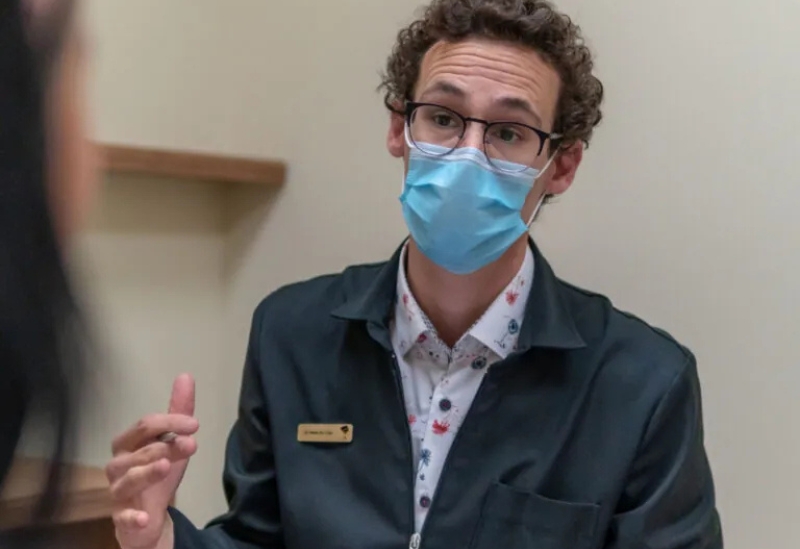
    Injecting physician discussing an injection treatment with a patient during a consultation.

    Neuromodulators vs. Dermal Fillers: What’s the Difference?

    Neuromodulators

    Neuromodulators (Botulinum toxin) temporarily block the nerve signals responsible for muscle contractions.
    They help relax the muscles and reduce the appearance of dynamic wrinkles, such as:

    • forehead lines
    • crow’s feet
    • frown lines (glabella)

    Dermal Fillers

    Dermal fillers — most commonly made of hyaluronic acid, a substance naturally found in the body — add volume to:

    • fill wrinkles and hollows
    • enhance certain facial areas
    • restore lost volume
    • improve skin texture and hydration

    In Summary

    • Neuromodulators → relax muscles and reduce expression-related wrinkles.
    • Dermal fillers → restore volume, correct static wrinkles, and enhance facial contours.

    How Long Do Results Last?

    • Neuromodulators: approximately 3 to 4 months
    • Dermal fillers: 1 to 2 years, depending on the product used and the treated area

    What Are the Possible Side Effects?

    Dermal Fillers

    • redness
    • swelling
    • bruising
    • temporary sensitivity or itching

    Neuromodulators

    • bruising or redness at the injection site
    • mild muscle weakness or heaviness
    • occasional headaches

    These effects are generally temporary and resolve on their own.

    Will People Be Able to Tell I’ve Had Injections?

    A natural-looking result depends mainly on:

    • the initial assessment,
    • injection technique,
    • and the physician’s experience.

    At Epiderma, injections are performed exclusively by physicians, in a safe medical environment, to ensure subtle, harmonious results tailored to your facial anatomy.

    Why Does the “Duck Face” Sometimes Occur After Lip Injections?

    The “duck face” is an undesired effect that occurs when too much product is injected or when it is improperly placed.
    In the hands of an experienced professional, this outcome should not occur.

    Can Results Be Reversed If I’m Not Satisfied?

    In cases of complications or undesirable effects, hyaluronidase — an enzyme that dissolves hyaluronic acid — can be used.
    However, it is reserved for medical necessity and not for minor aesthetic adjustments.

    What Is the Role of Medical Oversight at Epiderma?

    Medical direction ensures:

    • consistent practices across clinics
    • ongoing physician training
    • continuous clinical support
    • optimal patient safety

    All injectable treatments are performed by physicians.

    Is It Possible to Have the Consultation and Treatment on the Same Day?

    Yes. You may choose to:

    • meet with a physician for an assessment only, or
    • proceed with both the consultation and treatment on the same day, depending on your decision.

    *Article written in collaboration with Dr Alexis Du Cap.