Category: Préoccupations

  • Optimize Your Laser Hair Removal Sessions: Everything You Need to Know

    Optimize Your Laser Hair Removal Sessions: Everything You Need to Know

    Optimize Your Laser Hair Removal Sessions: Everything You Need to Know

    Optimize your laser hair removal sessions with our tips for better results.

    How many sessions are necessary for effective treatment?

    Generally, 5 to 6 treatments are sufficient to effectively treat an area. On average, about an 80% reduction in hair growth is observed after the sessions. However, several factors can influence these results, including hormones, medication, health condition, skin and hair color, as well as individual hair growth cycle.

    Why do some people require more sessions than others?

    This could be due to differing technologies used. Some technologies offer shallower treatments, meaning the energy is not distributed deeply, resulting in lesser destruction of hair components.

    What is the difference between IPL and laser hair removal?

    It’s important to distinguish between IPL (Intense Pulsed Light) and laser. Laser uses more precise infrared energy, allowing for deeper destruction and quicker, more enduring results. Conversely, IPL provides less precise and less deep radiation, which may lead to hair miniaturization and less stable long-term results.

    Why return every six weeks for a session?

    Returning every six weeks for a session is crucial to ensure optimal results. Hairs must be in their growth phase to be permanently destroyed. This growth phase, called the anagen phase, typically lasts between 1 and 2 months depending on the body area and the individual. Thus, it’s important to adhere to the session schedule to treat all hairs in their growth phase, regardless of the laser hair removal technology used.

    Which areas can be treated with laser hair removal?

    Laser hair removal can be used on all body areas except the scalp, inside of the nose, and ears, which are too sensitive to be treated. Additionally, it’s not possible to treat the periocular region and the glabella, as these areas are too close to the eyes.

    How can you optimize results?

    To maximize the results of your laser hair removal sessions, here are some practical tips:

    1. Use an exfoliating glove to remove dead cells, which can create a barrier to the laser.
    2. Hydrate your skin with a soothing balm.
    3. Avoid sun exposure to maintain pale skin.
    4. Do not pluck hairs between sessions.
    5. Adhere to the session schedule every six weeks to maximize the number of hairs in their growth phase at each appointment.

    Do you have any other questions? Our in-clinic technicians will be happy to assist you.

    Book your free consultation today and discover how laser hair removal can transform your daily routine.

  • How to Combat Facial Loss of Firmness: Expert Tips & Solutions

    How to Combat Facial Loss of Firmness: Expert Tips & Solutions

    How to Combat Facial Loss of Firmness: Expert Tips & Solutions

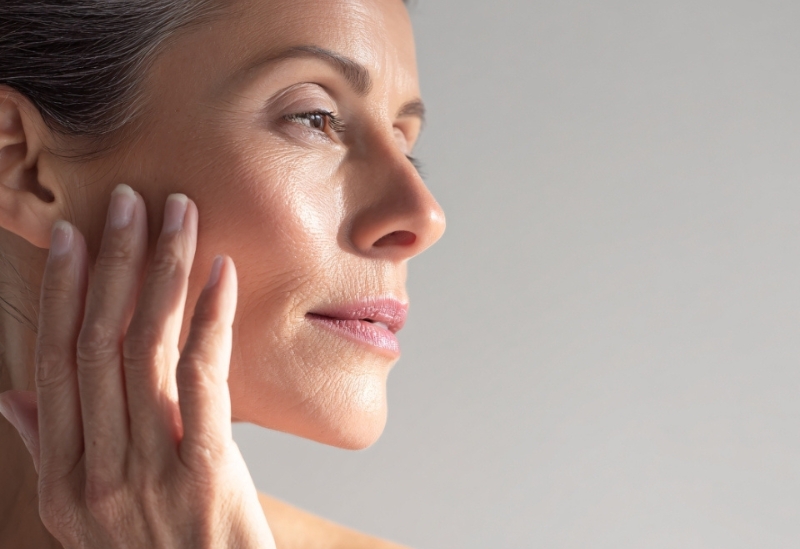
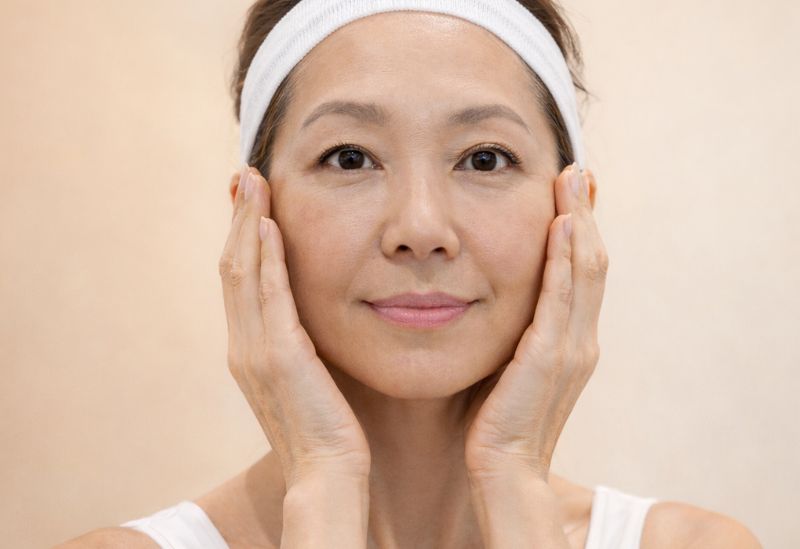
    Woman touching her cheek to illustrate firmness and the quality of facial skin.

    What Causes Loss of Facial Firmness?

    1. The Surface Skin (Epidermis)

    With age, the skin:

    • retains moisture less effectively
    • produces fewer ceramides
    • renews its cells more slowly
    • loses radiance

    As a result, the skin appears thinner, duller, and less luminous.

    2. The Deeper Dermis

    This is where supportive fibers such as collagen and elastin are found.
    Over the years:

    • their production slows down
    • their structure becomes more rigid
    • the dermis becomes thinner

    The skin gradually loses density and elasticity. The first signs of sagging typically appear in the cheeks, lower face, and eye contour.

    3. Decrease in Natural Hyaluronic Acid

    Hyaluronic acid, essential for retaining water and maintaining volume, decreases in both quantity and quality.
    This can lead to:

    • under-eye hollows
    • loss of volume in the cheeks
    • shadows that create a tired appearance

    How Can Facial Firmness Be Improved?

    The 3 Key Steps

    1. Hydrate and Protect the Skin Daily

    This is the absolute foundation. Well-hydrated skin immediately appears plumper and more radiant.

    To optimize hydration:

    • cleanse the skin with a gentle cleanser
    • use a hydrating serum (hyaluronic acid, peptides)
    • apply a cream suited to your age and skin type
    • protect the skin every morning with an SPF 30+

    A simple, consistent, and well-adapted routine already makes a significant difference.

    2. Stimulate Collagen and Cell Renewal

    To improve firmness, deeper action is required.

    Here are the most effective treatments in 2026:

    These treatments deliver visible results from the first sessions and can be easily adapted to different skin types.

    3. Restore Lost Hyaluronic Acid

    When the structure of the face changes (tear troughs, hollows, volume loss), restoring support becomes essential.

    Dermal fillers help to:

    • redefine facial volumes
    • improve facial structure
    • reduce hollows and shadows
    • firm facial contours

    These treatments integrate seamlessly into a comprehensive rejuvenation approach, while respecting the face’s natural morphology.

    Conclusion: A Global Approach for Visible Results

    Loss of firmness is part of the natural aging process, but modern solutions make it possible to regain firmer, more radiant, and better-supported skin.

    The ideal approach combines:

    • an adapted skincare routine
    • collagen-stimulating treatments
    • volumizing support when necessary

    Every face is unique. A personalized assessment helps determine the treatments best suited to your skin, concerns, and goals.

    Book a free consultation to receive a customized plan.

  • How Can You Get Rid of Dark Circles? 

    How Can You Get Rid of Dark Circles? 

    How Can You Get Rid of Dark Circles?

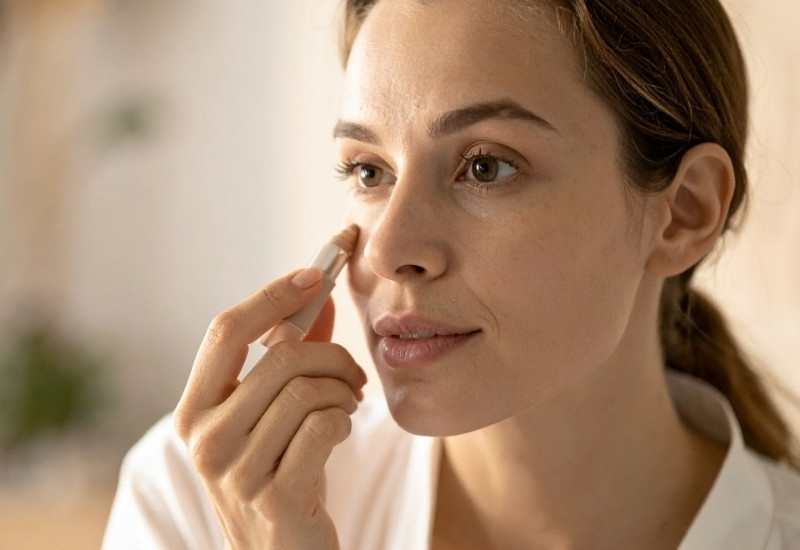
    Woman gently touching her under-eye area to reduce the appearance of dark circles.

    Why Do We Get Dark Circles? 

    Dark circles under the eyes can becaused by several factors.

    Here are the most common causes:

    1. Fatigue and lack of sleep – One of the most frequent causes. Insufficient sleep can lead to a dull complexion and make dark circles more noticeable.
    1. Genetics –Hereditary predispositions play an important role. Some individuals naturally have thinner skin or more visible blood vessels under the eyes.
    1. Aging – Over time, the skin loses elasticity and thickness, making the underlying blood vessels more visible.
    1. Dehydration – Poor hydration can make the under-eye area appear drier and emphasize dark circles.
    1. Allergies – Allergies may trigger inflammation and vascular congestion, contributing to darker under-eye shadows.
    1. Sun exposure – Excessive sun exposure can increase pigmentation in this delicate area.
    1. Underlying health conditions – Certain medical conditions may also contribute to dark circles.
    1. Water retention – Fluid retention, often linked to high salt intake or hormonal fluctuations, can accentuate the appearance of dark circles.
    1. Stress and diet – An unbalanced lifestyle may also play a role.

    To help improve the appearance of dark circles, it is often recommended to adopt an appropriate skincare routine, stay well hydrated, optimize sleep habits, and consult a professional when needed.

    How Can You Reduce the Appearance of Dark Circles?

    There is no secret: quality sleep and a balanced lifestyle remain essential. However, if shadows persist despite healthy habits, effective solutions are available.

    Using a targeted eye contour treatment combined with a suitable concealer can significantly improve the appearance of the under-eye area. The most effective eye treatments are those designed to decongest, brighten, depigment, and illuminate the skin.

    Key ingredients to look for include:

    • Caffeine – Helps stimulate and drain
    • Vitamin C – Brightens the complexion
    • Licorice extract – Helps reduce pigmentation
    • Fruit acids – Promote gentle exfoliation
    • Daily sun protection (SPF 30+) applied carefully around the eye area is also crucial to prevent further darkening.

    Can Hollow Dark Circles Be Treated?

    The answer is yes. Over time, the area between the inner corner of the eye and the mid-cheek gradually loses volume due to the natural decline of collagen and hyaluronic acid. When dark circles appear hollow and the tear trough becomes more visible, hyaluronic acid filler injections can effectively reduce their appearance.

    For pigmented or persistent dark circles, a PRF (Platelet-Rich Fibrin) treatment may also be recommended. This 100% natural regenerative approach helps improve skin quality, reduce discoloration, and restore a fresher, more rested look.

    Depending on age and individual needs, specialized regenerative skincare products or formulas rich in hyaluronic acid may also be incorporated. However, it is essential that treatments in this delicate area be performed by a highly trained physician with a strong understanding of facial anatomy.

    Because the under-eye area is complex and fragile, choosing an experienced provider is crucial.

    A professional evaluation will determine whether fillers, PRF, or a cosmetic approach is best suited to your type of dark circles.

    BOOK AN APPOINTMENT FOR AN EVALUATION

  • Laser Hair Removal, Intense Pulsed Light, Shaving, Waxing: Why Choose Laser Hair Removal?

    Laser Hair Removal, Intense Pulsed Light, Shaving, Waxing: Why Choose Laser Hair Removal?

    Laser Hair Removal, Intense Pulsed Light, Shaving, Waxing: Why Choose Laser Hair Removal?

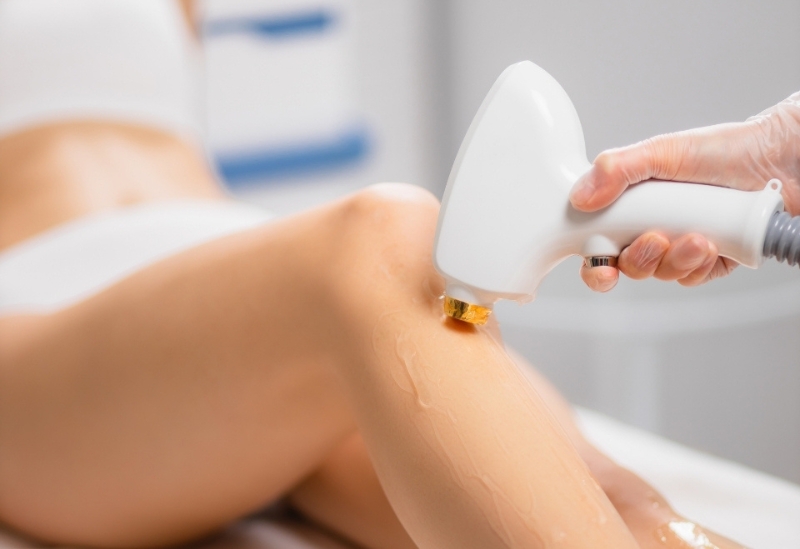
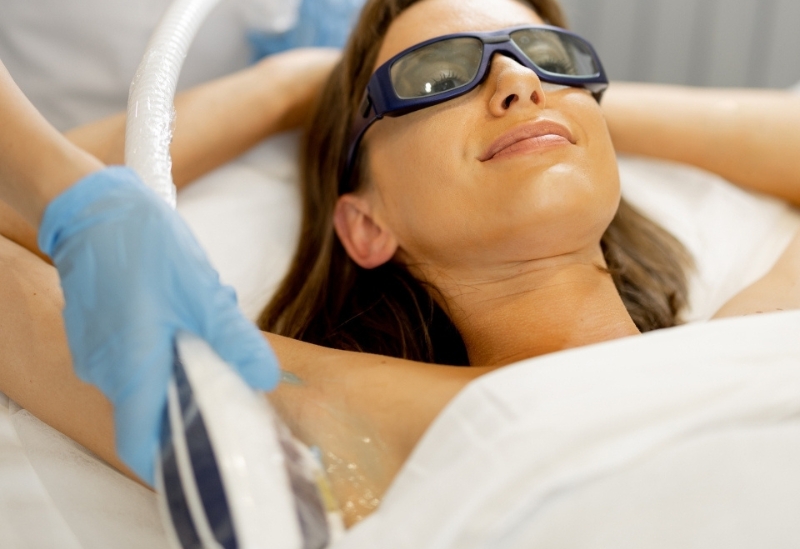
    Laser hair removal treatment at an Epiderma clinic for permanent hair reduction.

    This simple and comprehensive guide compares these methods and explains why laser hair removal at Epiderma remains one of the most effective, long-lasting, and safest solutions available.

    Shaving: Convenient, but Very Temporary

    Advantages

    • Simple, fast, and inexpensive
    • Can be done at home in just a few minutes

    Disadvantages

    • Very fast regrowth: requires multiple sessions per week
    • Risk of cuts, irritation, and razor burn
    • Increased risk of ingrown hairs
    • No long-term reduction in hair density

    Shaving is useful for occasional touch-ups but is not a long-term solution.

    Intense Pulsed Light (IPL): An Option, but Less Precise

    IPL uses a broad-spectrum light rather than a focused beam like medical laser technology.

    Disadvantages

    • Less targeted technology → energy is less concentrated on the hair follicle
    • Less durable results compared to laser
    • May require more treatment sessions
    • Lower precision on certain areas or hair types
    • Effectiveness varies depending on hair color and thickness

    IPL may be suitable for light maintenance, but it does not offer the durability of laser hair removal.

    Waxing

    Advantages

    • Removes hair from the root, resulting in slower regrowth
    • Hair may grow back finer and less noticeable over time

    Disadvantages

    • Pain and a higher risk of ingrown hairs
    • Hair must grow back between sessions, which can be inconvenient

    Laser Hair Removal: Effective and Long-Lasting

    Laser hair removal is one of the most widely recognized methods for long-term hair reduction.

    Advantages

    • Visible results from the first session: up to 20% reduction
    • On average, up to 80% hair reduction after 5 to 6 sessions
    • Fast and relatively comfortable treatment
    • Suitable for many skin types thanks to modern technologies
    • Excellent precision: directly targets the hair follicle

    Important to Know

    • Lasers are most effective on dark hair
    • Very light blond, red, or white hair responds less effectively due to low or absent melanin

    Disadvantage

    • The initial cost may seem higher, but it quickly pays off: no more repeated waxing, razors, depilatory creams, or long-term hair removal appointments.

    Why Choose Laser Hair Removal at Epiderma?

    Since 2000, Epiderma has been a leader in laser hair removal in Québec.

    All treatments are provided under medical supervision, ensuring rigorous protocols, ongoing training for technicians, and adherence to the highest standards of safety and quality across the entire network.

    Our certified technicians use state-of-the-art technology to provide:

    • Safe treatments
    • Reliable, long-lasting results
    • Protocols adapted to every skin type
    • Personalized care and follow-up

    Whether for underarms, legs, back, bikini area, or any other zone, our consultations are free to properly assess your needs and expectations.

    Conclusion

    Among all hair removal methods, laser hair removal stands out for its effectiveness, durability, and comfort.
    It’s an investment that allows you to say goodbye to repetitive routines—and hello to smooth, soft, hair-free skin.

    To book a free laser hair removal consultation:
    Book an appointment

  • Thread Lift Treatment: The Non-Surgical Alternative for a Lifting Effect

    Thread Lift Treatment: The Non-Surgical Alternative for a Lifting Effect

    Thread Lift Treatment: The Non-Surgical Alternative for a Lifting Effect

    Dr. Mai Ho presents thread lift treatment and her medical approach for a natural lifting effect.

    What Is a Thread Lift Treatment?

    (M.H.) – Thread lifts use absorbable threads equipped with small cones that are inserted beneath the skin to reposition sagging tissues. This technique is primarily used to treat areas of the face such as the cheeks, marionette lines, and jowls.

    The lifting effect is immediate, with continued improvement over the six months following the treatment. According to manufacturers, results may last up to one year, and in some cases, even longer.

    Who Is This Treatment Recommended For?

    (M.H.) – Thread lift treatments are generally recommended for individuals between the ages of 35 and 60 who have skin that is neither too thin nor too thick and who are experiencing mild to moderate skin laxity.

    This treatment is ideal for patients who wish to avoid surgical facelifts but are seeking a more noticeable lifting effect than what dermal fillers alone can provide.

    Dr. Mai Ho also recommends this approach for patients who have previously had filler treatments and would like additional lifting without undergoing surgery. This method can provide approximately up to 1 cm of lift, allowing for visible yet realistic results.

    How Does the Treatment Work?

    (M.H.) – The procedure typically lasts between one and two hours. For a full-face treatment, approximately six to ten threads are inserted (both sides combined).

    The threads are placed beneath the skin using an aseptic technique and local anesthesia to minimize discomfort at the entry and exit points.

    Dr. Mai Ho presenting thread lift treatment and her medical approach for achieving a natural, subtle lift.

    Is the Treatment Painful? Do the Threads Remain Under the Skin?

    (M.H.) – Although the treatment is semi-invasive and slightly more involved than filler injections, it is generally well tolerated.

    Local anesthesia is used, but the procedure may feel more sensitive than traditional injections, making it less suitable for highly anxious individuals.

    Following treatment, patients may experience mild swelling, tenderness, or bruising, which typically resolves within a few days. The threads remain beneath the skin and are gradually absorbed over approximately six months.

    Why Did You Choose to Offer This Treatment?

    (M.H.) – Thread lifts have been used for over 20 years, with varying levels of popularity. In the past decade, however, the technique has experienced significant renewed interest, particularly in Europe and Asia.

    Dr. Mai Ho considers thread lifts a valuable therapeutic option for patients seeking a lifting effect without surgery.

    Contraindications

    As with any medical procedure, thread lift treatments have certain contraindications, including:

    • Severe systemic diseases
    • Autoimmune conditions
    • Local or systemic infections
    • Use of anticoagulant medications
    • Pregnancy and breastfeeding
    • Predisposition to keloids or hypertrophic scars
    • Previous permanent fillers
    • Facial or scalp eczema or psoriasis
    • Allergy to lidocaine, epinephrine, or thread components

    Thread lift treatments represent an excellent non-surgical solution for individuals seeking a natural-looking lift and immediate results without surgery. Thanks to Dr. Mai Ho’s expertise, this treatment is now available at Epiderma Saint-Hyacinthe, offering patients an additional option to restore firmness and facial definition.

    MAKE AN APPOINTMENT

  • 4 Beauty Resolutions to Add to Your Routine in 2026

    4 Beauty Resolutions to Add to Your Routine in 2026

    4 Beauty Resolutions to Add to Your Routine in 2026

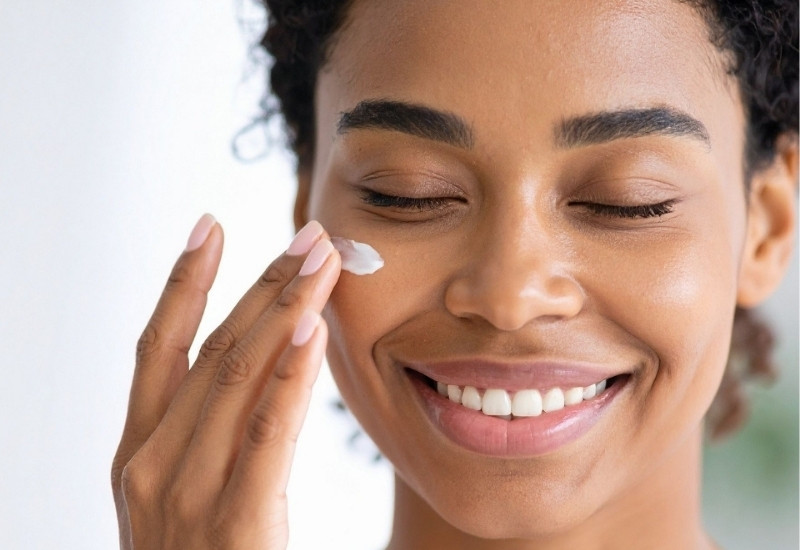
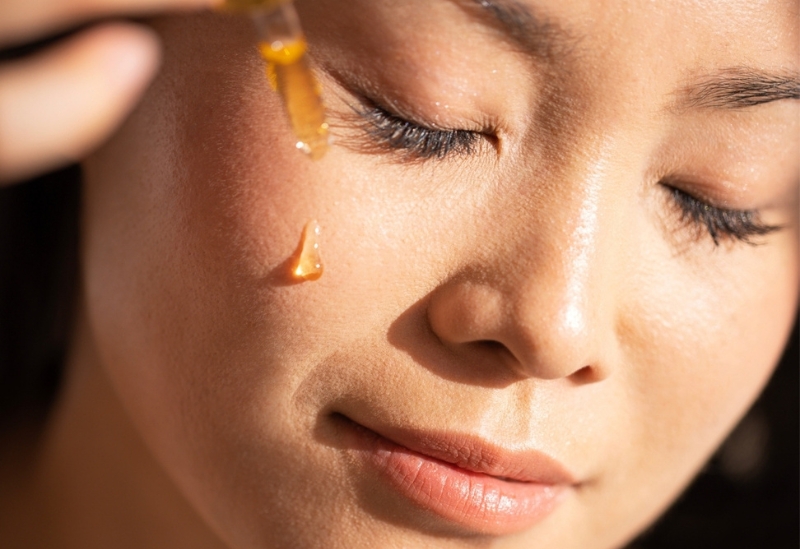
    Woman applying a facial treatment as part of a minimalist beauty routine recommended by a medical aesthetic clinic.

    Here are 4 simple and proven beauty resolutions to incorporate into your daily routine for glowing skin, winter and summer alike.

    1 — Apply Sunscreen Every Day

    Today, sun protection is considered the most important anti-aging step. UVA rays are present year-round, even on cloudy days, and are responsible for premature skin aging: wrinkles, fine lines, pigmentation spots, and loss of radiance.

    To protect the health and youthfulness of your skin:

    • Choose an SPF 30 or higher, based on your needs.
    • Opt for a formula suited to your skin type: mineral, tinted, or fluid.
    • Apply it every morning, even in winter and even in the city.
    • Be extra vigilant if you are receiving in-clinic treatments (laser hair removal, microneedling, microdermabrasion, etc.).

    Daily sunscreen use is one of the beauty habits that delivers the best long-term results.

    2 — Make Time for Yourself

    Stress, lack of sleep, and a fast-paced lifestyle can affect the appearance of your skin. In 2026, self-care and treatments that help the body recover are more valued than ever.

    Some simple ideas:

    • Take a warm bath followed by a nourishing body cream.
    • Apply a hydrating or soothing mask in the evening.
    • Enjoy a professional facial treatment in clinic (facial, peelBela MD, etc.).
    • Adopt a minimalist routine: cleanse, hydrate, protect.

    These moments of self-care help reduce stress, improve skin hydration, and promote a brighter complexion.

    3 — Choose Skin Care Tailored to Your Needs… with a Professional Assessment

    Every skin type is unique: sensitive, acne-prone, combination, dry, mature…

    To achieve visible results, it’s essential to choose treatments that are truly adapted to your skin’s needs.

    In clinic, a free personalized skin assessment allows our medical-aesthetic technicians to evaluate:

    • Your skin type
    • Your concerns (wrinkles, pigmentation, redness, loss of firmness, texture, pores, etc.)
    • Your current routine
    • Your goals

    Based on this assessment, they can recommend appropriate facial treatments and medical-aesthetic solutions such as photorejuvenation, skinboosters, neuromodulator injections, or dermal fillers.

    The goal is simple: to build a routine and treatment plan that respect your skin, your budget, and your lifestyle.

    4 — Simplify Your Routine

    The 2026 trend: skinimalism, or the art of using fewer products that are better chosen.

    Simple habits to adopt:

    • Replace disposable wipes with gentle cleansers applied by hand.
    • Choose multi-functional products (e.g., antioxidant, brightening, and anti-aging serums such as SkinCeuticals CE Ferulic or Vivier Radiance Serum).
    • Finish your products before purchasing new ones.

    A simplified routine is often more effective, more consistent, and gentler on the skin.

    Conclusion: Your Skin Deserves Personalized Support

    Adopting new beauty resolutions also means giving yourself the support of passionate professionals. Our medical-aesthetic technicians are here to guide you and help you create a routine that reflects who you are — simple, effective, and tailored to your goals.

    Because beautiful skin starts with the right choices, supported by professionals.

    Book a free in-clinic consultation.

  • Lip Treatment: A Complete Guide to Dermal Fillers

    Lip Treatment: A Complete Guide to Dermal Fillers

    Lip Treatment: A Complete Guide to Dermal Fillers

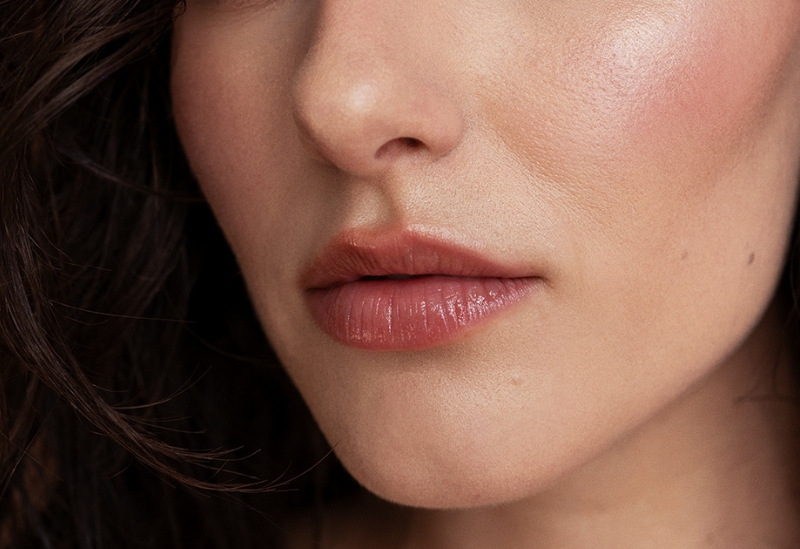
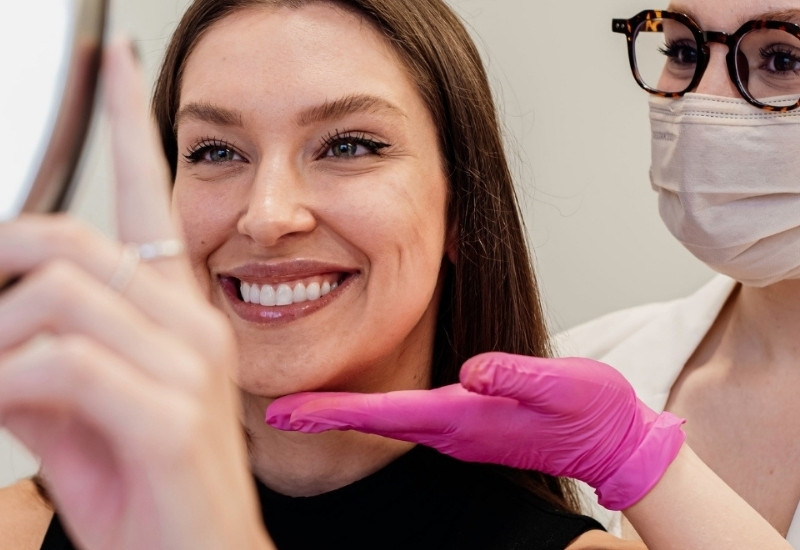
    Woman examining her lips to learn more about injections and dermal fillers.

    1. Which filler is recommended for lip augmentation?

    The most commonly used dermal fillers are those made with hyaluronic acid, a substance naturally present in the body. Some products are designed to add more volume, while others help redefine the lip contour and soften fine lines, while maintaining a natural and harmonious result.

    2. What’s the difference between dermal fillers and neuromodulators?

    Unlike fillers, which add volume, neuromodulators works by relaxing the muscles to smooth wrinkles. It cannot be used to enhance lip volume, but it can help reduce the appearance of fine lines around the mouth.

    3. What are the different injection techniques?

    Lip augmentation can be performed using two main techniques:

    • Needle injections: Ideal for precise application, particularly for defining the lip contour.
    • Cannula injections: Allow for a more even distribution of the product and help reduce the risk of bruising.

    The choice of technique depends on the patient’s anatomy and the desired outcome.

    4. What questions should you ask your doctor before getting lip fillers?

    Before proceeding, be sure to ask your doctor:

    • What type of filler will be used?
    • What are the possible side effects?
    • What injection technique will be used?
    • How long will the results last?

    Choosing an experienced practitioner ensures a safer treatment and more natural-looking results.

    5. Can lip injections cause bruising?

    Yes, since the lips are highly vascularized, bruising can occur after injections. To minimize this risk, avoid aspirin, anti-inflammatory medications, alcohol, and cannabis before the procedure. A skilled practitioner will adjust their technique to reduce the chances of bruising.

    6. How long does swelling last after lip injections?

    The initial swelling typically subsides within 24 to 48 hours, although mild inflammation may last a few days. After two weeks, the final result will be visible.

    7. How often should lip fillers be maintained?

    The results of lip augmentation typically last between 5 and 12 months, depending on the patient’s metabolism. A touch-up can be done after this period to prolong the effects. If you want additional volume, a second injection can be performed one month after the initial session.

    8. Will my lips sag if I stop getting injections?

    No. Once the hyaluronic acid is fully absorbed by the body, your lips will gradually return to their natural appearance. The hydration provided by the filler may even persist for a while after the product has been metabolized.

    9. Do I need an allergy test before the treatment?

    Hyaluronic acid dermal fillers generally do not require an allergy test. However, your physician will review your medical history to determine whether any specific precautions should be considered.

    In short…

    Lip augmentation is a safe and effective treatment when performed by a qualified professional. Before moving forward, gather information on your options, ask your doctor all necessary questions, and choose a reputable clinic.

    At Epiderma, a medical consultation is mandatory before any treatment to ensure safe and personalized care.

    Looking to enhance your lips while maintaining a natural, harmonious result?

    Book an appointment for a medical consultation with our team.

  • Biomimetic Exosomes Now Available at Epiderma

    Biomimetic Exosomes Now Available at Epiderma

    Biomimetic Exosomes Now Available at Epiderma

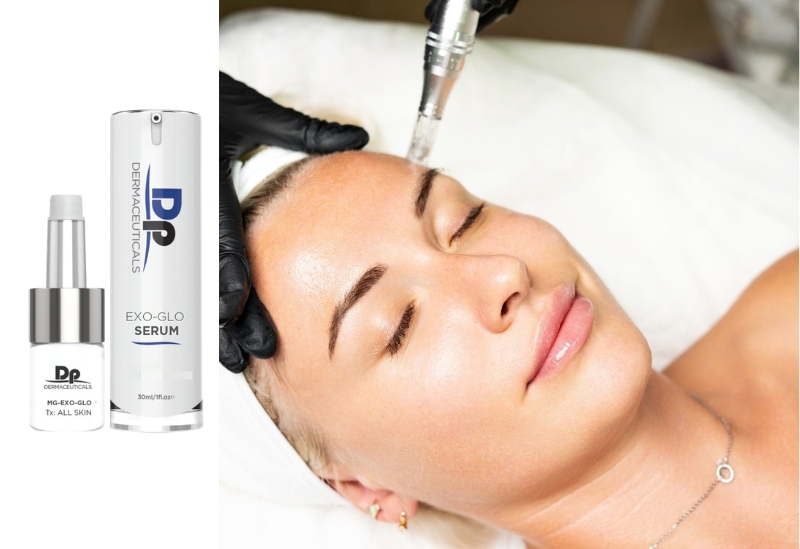
    Woman receiving a facial treatment at Epiderma with the application of biomimetic exosomes to enhance skin radiance.

    Understanding Biomimetic Exosomes

    An exosome is an extremely small extracellular vesicle that contains no DNA and acts as a messenger between cells. These messengers carry growth factors, proteins, and lipids that naturally stimulate collagen and elastin production. Over time, the skin becomes firmer, smoother, and more radiant.

    Why Choose Biomimetic Exosomes at Epiderma

    The exosomes used at Epiderma are biomimetic, meaning they are lab-replicated from human umbilical cord stem cells. They contain no human material and are designed to be fully recognized by the skin. Their purity and uniformity ensure consistent, safe, and effective results.

    Advantages of Biomimetic Technology

    • Controlled purity and concentration
    • Uniform quality
    • Reliable and safe results
    • Optimal skin recognition
    • Health Canada approved

    Exo Glo: The Exosome Used at Epiderma

    Exo Glo contains a patented HLA-G complex that promotes immune tolerance and ensures durable, cumulative results. It combines biomimetic exosomes with ingredients known to support skin regeneration, including hyaluronic acid, hydroxyapatite, growth factors, peptides, niacinamide, and a ceramide complex.

    What Conditions Can Be Treated

    Biomimetic exosomes are suitable for a variety of skin concerns, including:

    • Wrinkles and loss of firmness
    • Hyperpigmentation and sun-damaged skin
    • Redness and rosacea
    • Scars, including acne scars
    • Active acne and inflammation
    • Eye contour concerns
    • Hair loss with the Exo Grow serum

    Combining Exosomes with Epiderma Treatments

    Biomimetic exosomes can be used alone or combined with other treatments to maximize results. They are particularly effective when used with:

    A combined PRP and microneedling protocol with exosomes optimizes tissue repair and visibly improves skin texture.

    Observed Benefits

    Clients who undergo treatments with exosomes generally report:

    • Reduced recovery time
    • Less redness and discomfort
    • More even and radiant skin tone
    • Reduced appearance of pigmentation spots
    • Improved wrinkles and scars
    • Stimulated hair growth

    The integration of biomimetic exosomes into Epiderma treatments marks a new era in skin regeneration. This advanced therapy is ideal for anyone seeking firmer, more even, and radiant skin, or looking to stimulate hair growth.

    To find out if this treatment is right for you, schedule an appointment at your nearest Epiderma clinic. Our specialists will guide you toward the most effective approach for your needs.

  • Dr. Catherine Nappert: Where Science Meets Sensitivity — A Human-Centered Vision of Aesthetic Medicine

    Dr. Catherine Nappert: Where Science Meets Sensitivity — A Human-Centered Vision of Aesthetic Medicine

    Dr. Catherine Nappert: Where Science Meets Sensitivity — A Human-Centered Vision of Aesthetic Medicine

    Dr. Catherine Nappert, physician specializing in aesthetic medicine at the Epiderma Drummondville clinic.

    Passionate about aesthetics in all its forms and guided by a deeply human approach, she shares her vision of a respectful aesthetic medicine where art, science, and attentive listening come together to reveal each patient’s authentic beauty.

    Can You Tell Us About Your Medical Background and What Led You to Aesthetic Medicine? 

    Practices aimed at enhancing or modifying the face date back to ancient times. Regardless of differing opinions, aesthetics remain an undeniable part of our modern societies.

    Personally, I have always been fascinated by aesthetics in all its forms, as it expresses both creativity and individuality.

    During my medical training at the Université de Montréal, I found myself torn between plastic surgery and ENT. I ultimately chose ENT for its strong focus on facial and neck anatomy, the compelling balance between medical and surgical practice, the diversity of patients, and the wide technical scope of endoscopic and microscopic procedures.

    After 27 years of hospital-based ENT practice and 15 years in aesthetic medicine, I reached a professional turning point that motivated me to join the Epiderma/Medicart network and devote myself exclusively to aesthetic medicine in Drummondville.

    Aesthetic medicine beautifully combines art and science to help patients feel more confident. And confidence enhances beauty.

    What Is Your Vision of Beauty and Well-Being in Aesthetic Medicine? 

    Beauty is plural and deeply subjective. My goal is to enhance each patient’s facial harmony so that their outer appearance faithfully reflects their inner beauty — the best version of themselves.

    Restoring a radiant complexion or balancing facial proportions may seem subtle, yet for many individuals, these changes foster greater self-confidence and a renewed sense of harmony with their reflection.

    How Do You Guide Patients Through Their Aesthetic Journey? 

    A successful aesthetic treatment begins with trust. Providing attentive, judgment-free listening is essential.

    I help patients articulate realistic expectations by clearly explaining what can and cannot be achieved. Understanding their deeper motivations allows me to assess whether their request is coherent and appropriate.

    For example, I may recommend addressing overall facial balance through a soft global lift using injectables before targeting finer lines around the mouth. This reflects my philosophy of step-by-step facial rejuvenation — always tailored to the patient’s desired level of investment.

    I may also suggest lesser-known yet highly effective techniques, such as the lifting effect of temporal volume restoration or chin refinement to complement marionette line treatment.

    The objective is never transformation, but harmonization — enhancing what already exists while preserving each patient’s individuality.

    My role extends beyond the technical procedure. Evaluating satisfaction and, at times, providing emotional support are integral parts of quality patient care.

    In Your Opinion, What Defines a Successful Aesthetic Treatment? 

    Every face, every skin type, every expression is unique. 

    A successful treatment relies on precise, safe, and personalized techniques, combined with accurate dosing to achieve natural, harmonious results. 

    Each technology has its strengths and limitations. Often, it is a series of subtle refinements that produces the most gratifying outcomes. 

    Personally, I appreciate when patients return saying they were told they look “well-rested” rather than that their “face looks different.” 

    A well-executed treatment should not be obvious — it should simply create a refreshed, balanced appearance aligned with the patient’s natural features. 

    What Advice Would You Give Someone Considering Their First Aesthetic Treatment? 

    Artificial intelligence increasingly fuels unrealistic standards of perfection, making it easy to feel overwhelmed by aesthetic marketing claims.

    The decision to pursue treatment should always be made for oneself — not to seek external validation.

    For first-time patients, choosing a medico-aesthetic clinic with genuine medical oversight is crucial. A physician evaluates skin quality, facial structure, medical history, and underlying expectations to determine the most appropriate approach.

    This medical perspective ensures safety, prevents excess, and guarantees a rigorous understanding of anatomy, as well as the expertise to manage potential complications.

    Selecting a qualified practitioner committed to both evaluation and follow-up is ultimately a choice for professionalism, transparency, and self-respect.

    Dr. Catherine Nappert’s approach, grounded in harmony, trust, and respect for individuality, fully reflects the values of the Epiderma network. Whether you are considering your first treatment or refining your skincare journey, meet Dr. Nappert at Epiderma Drummondville for personalized, safe, and compassionate care.

    Book an appointment with Dr. Catherine Nappert