Category: Treatment

  • Why Choose Sclerotherapy for Varicose Vein Treatment

    Why Choose Sclerotherapy for Varicose Vein Treatment

    Why Choose Sclerotherapy for Varicose Vein Treatment

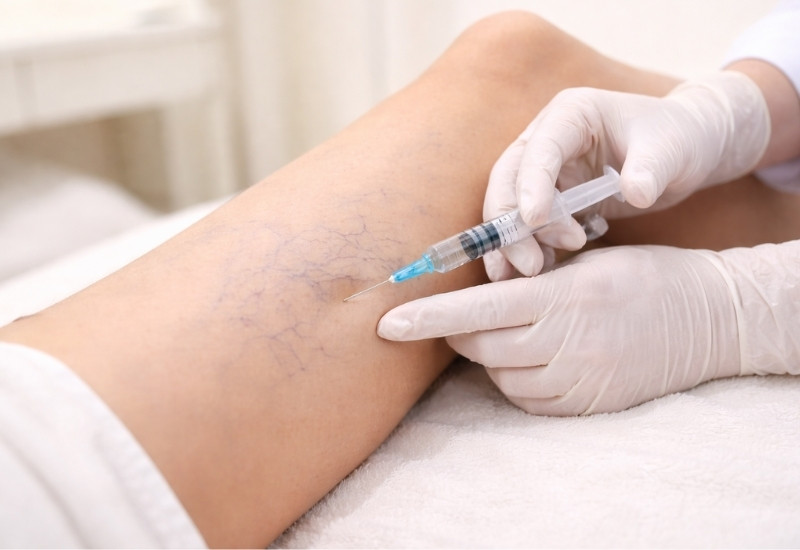
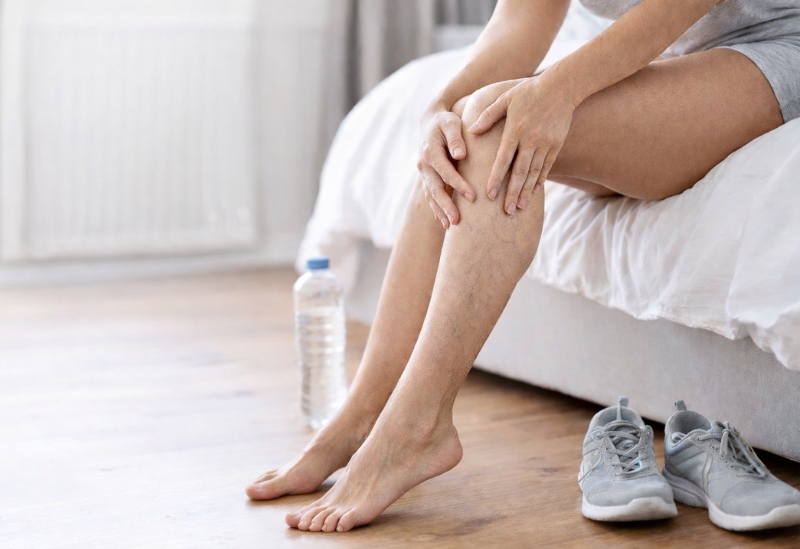
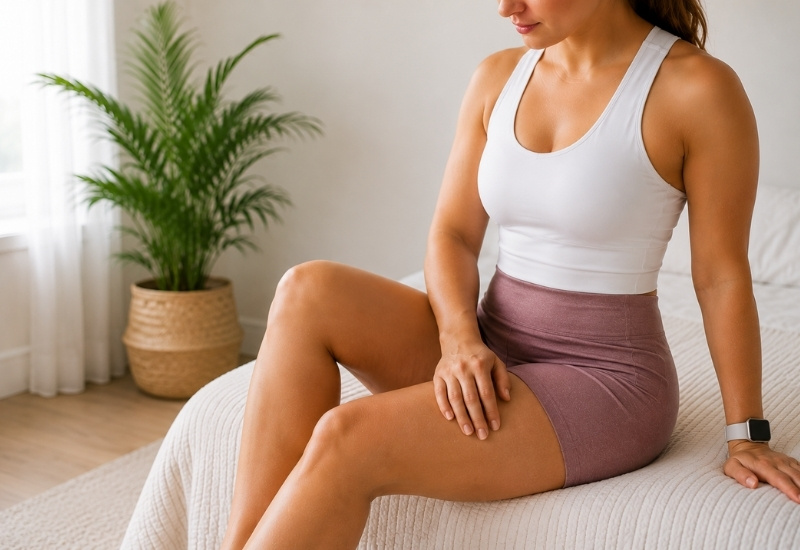
    Sclerotherapy for varicose vein treatment: a precise, non-invasive injection to eliminate varicose veins and improve circulation.

    What Exactly Is Sclerotherapy? 

    Sclerotherapy involves injecting a sclerosing solution into the affected vein. The solution irritates the vein walls, causing them to collapse and seal shut. Over time, the treated vein is permanently reabsorbed, significantly reducing the risk of recurrence.

    Sclerotherapy effectively treats visible, insufficient, and/or painful varicose veins. The process begins immediately after the injection and may continue for several days to a few weeks, depending on the size of the treated vein.

    In some cases, injections may be performed under ultrasound guidance for greater precision and visibility. This technique, known as ultrasound-guided sclerotherapy, is typically used for deeper or more severe varicose veins. The injected solution is often more potent than that used in conventional sclerotherapy.

    Benefits of Sclerotherapy 

    Sclerotherapy is highly precise and delivers rapid results. One of its greatest advantages is that no recovery period is required — you can resume normal activities immediately after treatment.

    For patients concerned about discomfort, this technique is generally well tolerated. You may experience mild tingling during the injection. Soon after, symptoms such as heavy or aching legs can improve significantly.

    Post-Treatment Recommendations 

    Although results are often visible quickly, adopting the following habits can help maximize effectiveness and minimize side effects:

    • Choose lukewarm baths or showers and apply cool water to the legs
    • Wear compression stockings
    • Apply an appropriate moisturizer to maintain skin health
    • Engage in light physical activity such as walking or stretching
    • Use the stairs and activate your feet regularly
    • Stimulate calf circulation by walking on your toes
    • Avoid remaining in the same position for extended periods, as this may negatively impact vein health.

    Sclerotherapy is generally associated with minimal discomfort, but following post-treatment guidelines is essential for optimal comfort and results.

    Results 

    Once treated with sclerotherapy, the affected vein is eliminated, thereby reducing the risk of complications. 

    Because varicose veins are a chronic and progressive condition, new veins may develop over time. However, sclerotherapy remains an effective solution for managing them. 

    Preventive care is equally important. Maintaining a healthy lifestyle — including balanced nutrition, regular movement, limiting excessive heat exposure, and avoiding tobacco — can help slow progression. 

    Schedule your consultation today to determine whether sclerotherapy is right for you

  • How to Achieve Radiant Skin Before Your Wedding 

    How to Achieve Radiant Skin Before Your Wedding 

    How to Achieve Radiant Skin Before Your Wedding 

    Femme préparant sa peau avant son mariage avec des soins du visage en clinique pour obtenir un teint éclatant

    For an Instant Glow and Healthy Radiance 

    Microdermabrasion is a skin treatment that removes the outer layer of dead skin cells, revealing fresher, smoother, and more radiant skin. A series of four to six treatments, performed every two weeks, is recommended for optimal results. 

    Chemical peels are also excellent for enhancing skin radiance. Allure peels, the Revitalizing Micro-Peel, or a single glow peel may be selected based on your skin’s needs. These treatments help eliminate dead skin cells and stimulate collagen production, improving both texture and appearance. 

    Photorejuvenation is another option for evening out skin tone while reducing pigmentation spots and redness. This technique uses light pulses to stimulate collagen production and improve overall skin clarity. 

    Microneedling stimulates collagen production, helping improve skin texture and quality. This treatment supports tissue regeneration and is particularly beneficial for softening fine lines and acne scars. 

    Finally, neuromodulator or dermal filler injections may be considered to enhance facial features before your wedding. 

    Dermal fillers help soften under-eye hollows, restore facial volume, and refine contours — all without surgery. 

    Neuromodulator injections help reduce visible signs of aging such as wrinkles, crow’s feet, and tired-looking features. 

    For the Body: Improving Skin Appearance 

    Body contouring treatments help reduce the appearance of cellulite and improve skin firmness.

    A series of treatments may be recommended depending on your goals. 

    Sclerotherapy is also a popular treatment for minimizing visible varicose and spider veins on the legs, helping achieve a smoother, more even appearance. 

    Enhance and Maintain Your Results: Product Recommendations 

    Alongside treatments, using the right skincare products is essential. 

    Exfoliants such as the Medicart Triple Action Exfoliant help remove dead skin cells and refine skin texture. 

    Masks like the Medicart Soothing Mask or Hydrating Anti-Stress Mask help hydrate and calm the skin. 

    When Should You Start Your Wedding Skincare Plan? 

    6 Months Before 

    • Microneedling 
    • Photorejuvenation 
    • Body contouring & cellulite treatments 
    • Sclerotherapy for varicose veins 

    3 Months Before 

    • Series of chemical peels 
    • Microdermabrasion series 
    • Dermal fillers if needed 

    1 Month Before 

    • Chemical peel 
    • Vivier facial 
    • Neuromodulators for optimal results 

    1 Week Before 

    • Hydrating facial 
    • Soothing masks 
    • Avoid aggressive treatments 

    2 Days Before 

    • Hydration 
    • Gentle skincare routine 
    • Skin rest 

    Need Personalized Advice? 

    Not sure which treatment is right for you? 

    Book a complimentary consultation with one of our medico-esthetic technicians today. 

    Schedule Your Free Consultation

  • How Epiderma’s Medical Leadership Oversees Laser Hair Removal Protocols

    How Epiderma’s Medical Leadership Oversees Laser Hair Removal Protocols

    How Epiderma’s Medical Leadership Oversees Laser Hair Removal Protocols

    Laser hair removal supervised by our medical team for safe and effective results.

    Medical Leadership Dedicated to Safety and Performance 

    A general practitioner by training, Dr. Du Cap has practiced aesthetic medicine and phlebology at Epiderma since 2012. With extensive clinical experience and technological expertise, he has served as Medical Director since 2018

    His mandate: 

    • Oversee medical practices across clinics 
    • Define and update protocols for each technology 
    • Train and support teams to ensure treatments are safe, effective, and consistent throughout the network 

    Rigorous Protocols Guided by Medical Leadership 

    Laser hair removal relies on powerful devices and precise parameters. This is why specialized medical supervision is essential. 

    Dr. Du Cap is responsible for: 

    • Developing and updating clinical protocols 
    • Evaluating technologies and indications 
    • Designing comprehensive training programs for technicians 
    • Ensuring quality standards across all Epiderma clinics 

    These protocols are developed in collaboration with experienced trainers and cover: 

    • Skin and hair assessment 
    • Comprehensive client evaluation 
    • Regional mapping to optimize results 
    • Technology- and skin-specific parameters 
    • Safety measures for both clients and staff 

    The objective is to deliver consistent, standardized, and highly safe treatments across Québec. 

    Proven and Approved Technologies 

    Epiderma is committed to using only technologies that are: 

    • Approved by Health Canada 
    • Supported by scientific research 
    • Recognized for their safety and effectiveness 

    “We ensure that every new technology or treatment is based on evidence-based data to guarantee optimal patient care,” emphasizes Dr. Du Cap. 

    Continuous Training and Daily Support 

    Beyond protocol development, Dr. Du Cap supervises the ongoing training of medical staff and technicians

    His role: 

    • Keep knowledge up to date 
    • Integrate innovations 
    • Support professional development 
    • Maintain constant clinical oversight 

    Both patients and clinic teams benefit from medical supervision available at all times, reinforcing treatment quality and safety. 

    Why This Medical Oversight Matters for You 

    Thanks to Dr. Du Cap and Epiderma’s medical leadership, every client benefits from: 

    ✔ Consistent and reliable treatments 

    ✔ Parameters tailored to their skin and goals 

    ✔ Optimal safety 

    ✔ More predictable and effective results 

    ✔ Care grounded in science and rigor 

    This level of medical oversight is unique in the industry and has helped position Epiderma as a leader in laser hair removal in Québec for over 20 years. 

    Wondering if laser hair removal is right for your skin and hair type? 

    Book your complimentary evaluation with one of our professionals today. 

    BOOK AN APPOINTMENT

  • How to Prevent the Appearance of Spider Veins on the Legs

    How to Prevent the Appearance of Spider Veins on the Legs

    How to Prevent the Appearance of Spider Veins on the Legs

    Prevention of spider veins on the legs: tips and advice to keep your legs light and healthy.

    What Is a Spider Vein?

    Like a varicose vein, a spider vein is a vein that no longer efficiently returns blood to the heart. The difference lies mainly in size: varicose veins are larger, deeper, and located in the subcutaneous tissue, while spider veins are smaller, more superficial vessels located within the skin.

    Spider veins may be influenced by several factors:

    • Heredity
    • Vein dilation: when valves function less effectively, blood circulation becomes impaired
    • Reflux from the deep venous system to the superficial venous system
    • The presence of multiple small visible capillaries may indicate a predisposition
    • Local trauma or near a scar

    Other signs to watch for include:

    • Heaviness and fatigue in the legs
    • Irregular skin pigmentation
    • Itching
    • Swelling (edema)
    • Venous ulcers

    What Factors Contribute to Spider Veins?

    Certain everyday factors may promote their development. Understanding them helps reduce risk:

    • Prolonged exposure to heat (sun, hot water, heated floors, hot wax hair removal, etc.)
    • Prolonged standing or sitting
    • Crossing the legs
    • Excess weight
    • Tight clothing (belts, shapewear, restrictive garments)
    • Overly warm boots or socks
    • High-impact sports (tennis, squash, volleyball)
    • Pregnancy
    • Aging
    • Use of hormonal contraceptives

    How Can You Help Prevent Spider Veins?

    Adopting simple daily habits can support venous health and comfort:

    • Choose lukewarm baths and rinse legs with cool water, directing the stream upward
    • Elevate your legs for 30 minutes after prolonged standing or sitting
    • Massage legs from bottom to top using appropriate moisturizing products
    • Elevate your legs while resting or sleeping
    • Stay active: walking, stretching, moving your feet, and engaging the calf muscles are highly beneficial
    • Maintain skin health by applying a body cream regularly
    • Wear compression stockings to support circulation
    • Manage varicose veins and spider veins through sclerotherapy when appropriate

    With consistent, easy-to-follow habits, you can better protect your legs and maintain optimal comfort.

    Book a consultation with a phlebologist to receive a personalized evaluation and discover the treatments best suited to your needs.

  • Varicose Vein Treatment: Understand, Prevent, and Take Action

    Varicose Vein Treatment: Understand, Prevent, and Take Action

    Varicose Vein Treatment: Understand, Prevent, and Take Action

    promotions Epiderma sur les soins médicoesthétiques et l’épilation au laser.

    Here’s what you need to know to better understand their causes, symptoms, and the available treatment options.

    What is a varicose vein?

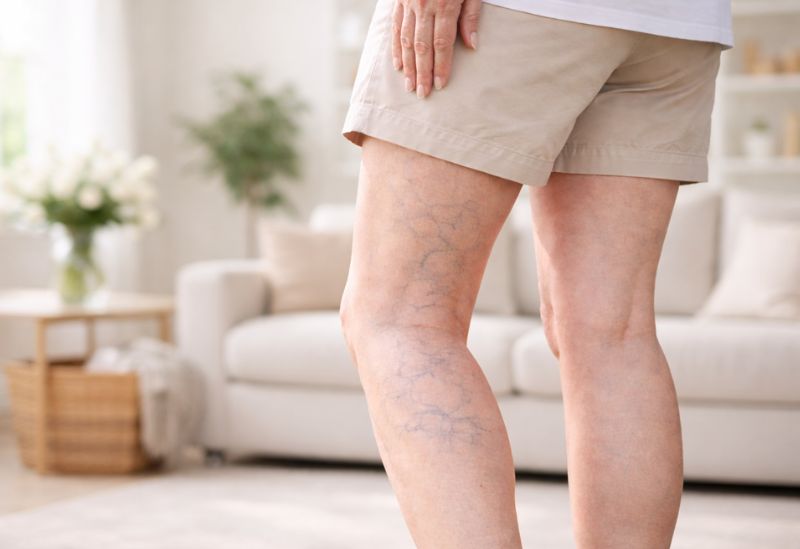
    A varicose vein is an abnormal dilation of a vein, typically caused by a loss of vein wall tone or impaired blood flow (venous reflux).

    When blood does not circulate properly back to the heart, it can pool in the vein, causing it to become enlarged and visible beneath the skin.

    Varicose veins can appear:

    • at any age
    • on different parts of the body
    • but are especially common on the legs

    Some milder conditions, such as couperose (which affects the cheeks, nose, and chin), are also related to the dilation of small capillary blood vessels.

    Why do varicose veins develop?

    Many factors influence their appearance.

    The primary cause Genetics.

    • 20% risk if neither parent is affected
    • 44% if one parent is affected
    • more than 70% if both parents are affected

    Other contributing factors include:

    • ethnic background
    • age (prevalence increases over time)
    • sex (women are twice as likely to be affected)
    • prolonged standing or sitting
    • excess weight
    • hormonal changes (pregnancy, menopause…)

    How are varicose veins treated?

    Several treatment options are available, depending on the cause, location, and size of the affected vein.

    An evaluation by a physician trained in phlebology is essential to establish an accurate diagnosis and an appropriate treatment plan.

    Sclerotherapy: The most common treatment

    Sclerotherapy involves injecting a sclerosing solution into the affected vein, triggering a controlled inflammatory response.

    The vein closes, stops carrying blood, and gradually fades.

    Benefits:

    • quick treatment (about 20 minutes)
    • no anesthesia required
    • immediate return to activities
    • cost-effective solution
    • progressive visible results

    Ultrasound-Guided Injection (Echosclerotherapy)

    This treatment is designed for deeper veins or areas with significant reflux.

    A prior ultrasound allows the physician to assess the venous network and precisely target the treatment area.

    A more concentrated solution is often used to effectively treat larger veins.

    Sclerotherapy and echosclerotherapy account for approximately 90% of varicose vein treatments, both available at Epiderma.

    Compression Stockings: An Essential Ally

    Wearing compression stockings:

    • helps prevent new varicose veins
    • slows progression of venous disease
    • optimizes treatment outcomes
    • improves circulation via graduated pressure

    They are available in various compression levels.

    Proper selection (compression level and size) should always be guided by a healthcare professional.

    This service is offered at several Epiderma clinics.

    Tips to slow varicose vein development

    • engage in circulation-friendly activities (walking, cycling, swimming, yoga)
    • wear comfortable footwear
    • maintain a healthy weight
    • elevate legs when resting
    • avoid hot baths, hot wax, and tight clothing
    • massage legs upward toward venous return

    Why treat varicose veins early?

    Beyond cosmetic concerns, varicose veins tend to worsen over time.

    If left untreated, they may lead to:

    • increased heaviness
    • pain
    • more visible veins
    • long-term vascular complications

    Earlier treatment typically leads to better results and simpler interventions.

    Conclusion: Effective and Safe Solutions

    Before any treatment, a comprehensive evaluation by a phlebology physician is essential.

    During your first visit at Epiderma:

    1. a medical history is completed
    1. the lower limbs are examined
    1. Doppler or ultrasound imaging assesses circulation and reflux

    Thanks to modern techniques such as sclerotherapy and ultrasound-guided injections, varicose veins can be treated quickly, effectively, and safely.

    Visible improvements are achievable even for more pronounced veins.

    Today, saying goodbye to varicose veins is both possible — and simple.

    Book your personalized evaluation with our phlebology physicians and discover the treatment options best suited to your needs. 

  • Brown Spots: How Photorejuvenation at Epiderma Can Help You

    Brown Spots: How Photorejuvenation at Epiderma Can Help You

    Brown Spots: How Photorejuvenation at Epiderma Can Help You

    Photorejuvenation treatment to reduce dark spots and even out skin tone at Epiderma

    These pigmented spots, often caused by prolonged sun exposure without adequate protection, are among the most visible signs of photoaging. Fortunately, effective solutions are now available to restore a clearer, more even complexion.

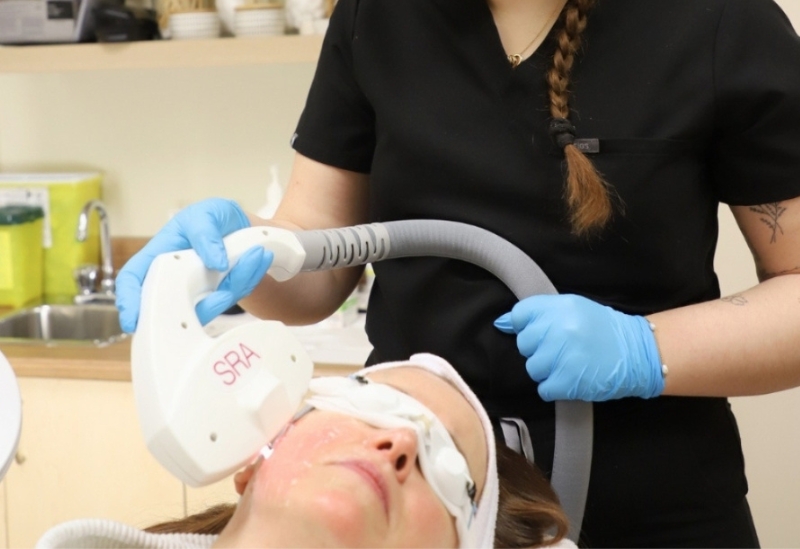
    At Epiderma, thanks to our rigorous medical framework and expertise in medical aesthetics, we have been offering advanced photorejuvenation treatments since 2022 using Elos Plus technology (SRA applicator). This innovative treatment targets both superficial and deeper layers of the skin to effectively address benign pigmentation concerns such as dark spots, redness, and superficial melasma.

    By combining intense pulsed light (IPL) with thermal energy, photorejuvenation stimulates collagen production beneath the skin without damaging its surface. The result is progressively clearer, smoother, and more radiant skin, with a restored natural glow, minimal discomfort, and little to no downtime.

    Before/after photorejuvenation at Epiderma showing improved skin tone, smoother texture, and reduced spots.

    “Photorejuvenation allows for gradual improvement in skin quality, with results that can last for several months,” explains Dr. Alexis Du Cap, Medical Director at Epiderma.

    Whether you are looking to reduce pigmentation, refine skin texture, or revive your complexion’s radiance, Elos Plus photorejuvenation is a safe, quick, and effective solution performed under medical supervision in our clinics.

    Book a free consultation and discover how we can help you achieve radiant skin.

  • Every Concern Has Its Solution

    Every Concern Has Its Solution

    Every Concern Has Its Solution

    Young woman undergoing an evaluation to identify treatments suited to her skin concerns.

    Wrinkles, Dark Circles, and Volume Loss

    Wrinkles, dark circles, and volume loss are common signs of skin aging. Several treatments can help address these concerns, including neuromodulator injections, dermal fillers, and PRP or PRF treatments for the under-eye area.

    Neuromodulators target dynamic lines, particularly in the upper face, by relaxing the muscles responsible for their formation. Dermal fillers restore lost volume in areas affected by sagging, providing an immediate rejuvenating effect.

    PRF (Platelet-Rich Fibrin), a 100% natural treatment, uses your body’s own platelets and growth factors to improve the appearance of under-eye discoloration, resulting in a brighter, more refreshed look.

    Dark Spots and Pigmentation Irregularities

    Photorejuvenation, performed under medical supervision, is an effective solution for treating both pigmentary and minor vascular concerns, helping restore a more even, healthy complexion.

    This treatment targets superficial concerns such as hyperpigmentation, freckles, lentigines, telangiectasia, rosacea, and diffuse redness.

    For milder irregularities, a series of peels or microneedling treatments may also provide visible improvements.

    Cellulite and Skin Texture Irregularities

    To address cellulite, we use advanced technology designed to improve skin smoothness and firmness. This approach acts on collagen fibers, fibrous bands, and fat cell structure.

    Unlike older technologies, this method combines infrared energy, radiofrequency, mechanical massage, and suction, allowing for shorter treatments and enhanced results.

    Rosacea and Visible Capillaries

    Rosacea-related redness is often caused by dilated capillaries and altered microcirculation in the facial area.

    At Epiderma, we treat these concerns using sclerotherapy injections, a gentle, minimally invasive approach that requires no downtime.

    Varicose Veins and Heavy Legs

    Varicose veins occur when veins are no longer able to efficiently return blood to the heart, leading to symptoms such as leg heaviness, fatigue, and skin changes.

    Varicose vein treatments at Epiderma are performed using sclerotherapy. This minimally invasive procedure involves injecting a sclerosing agent into the affected vein. Each session lasts approximately 20 minutes and requires no recovery period.

    Acne and Oily Skin

    For acne-prone and oily skin, we offer specialized peels along with Vivier Pharma skincare products.

    The Neutra-Acne Peel provides anti-inflammatory, antibacterial, and exfoliating benefits. It helps rebalance the skin, refine enlarged pores, reduce breakouts, and improve the appearance of mild to moderate acne scarring.

    Unwanted Hair

    If unwanted hair is a concern, laser hair removal may be the ideal solution. Epiderma has specialized in this treatment for over 25 years, using advanced laser technology to deliver effective, long-lasting results.

    A complete treatment plan typically involves 5 to 6 sessions, resulting in approximately 80% hair reduction in the treated area. Sessions are spaced about six weeks apart to respect the natural hair growth cycle.

    If you have questions or uncertainties before beginning your medico-aesthetic journey, we always recommend starting with a complimentary consultation. Our technicians will take the time to listen to your concerns and recommend treatments tailored to your needs.

    Book your in-clinic consultation today.

  • How to Combat Facial Loss of Firmness: Expert Tips & Solutions

    How to Combat Facial Loss of Firmness: Expert Tips & Solutions

    How to Combat Facial Loss of Firmness: Expert Tips & Solutions

    Woman touching her cheek to illustrate firmness and the quality of facial skin.

    What Causes Loss of Facial Firmness?

    1. The Surface Skin (Epidermis)

    With age, the skin:

    • retains moisture less effectively
    • produces fewer ceramides
    • renews its cells more slowly
    • loses radiance

    As a result, the skin appears thinner, duller, and less luminous.

    2. The Deeper Dermis

    This is where supportive fibers such as collagen and elastin are found.
    Over the years:

    • their production slows down
    • their structure becomes more rigid
    • the dermis becomes thinner

    The skin gradually loses density and elasticity. The first signs of sagging typically appear in the cheeks, lower face, and eye contour.

    3. Decrease in Natural Hyaluronic Acid

    Hyaluronic acid, essential for retaining water and maintaining volume, decreases in both quantity and quality.
    This can lead to:

    • under-eye hollows
    • loss of volume in the cheeks
    • shadows that create a tired appearance

    How Can Facial Firmness Be Improved?

    The 3 Key Steps

    1. Hydrate and Protect the Skin Daily

    This is the absolute foundation. Well-hydrated skin immediately appears plumper and more radiant.

    To optimize hydration:

    • cleanse the skin with a gentle cleanser
    • use a hydrating serum (hyaluronic acid, peptides)
    • apply a cream suited to your age and skin type
    • protect the skin every morning with an SPF 30+

    A simple, consistent, and well-adapted routine already makes a significant difference.

    2. Stimulate Collagen and Cell Renewal

    To improve firmness, deeper action is required.

    Here are the most effective treatments in 2026:

    These treatments deliver visible results from the first sessions and can be easily adapted to different skin types.

    3. Restore Lost Hyaluronic Acid

    When the structure of the face changes (tear troughs, hollows, volume loss), restoring support becomes essential.

    Dermal fillers help to:

    • redefine facial volumes
    • improve facial structure
    • reduce hollows and shadows
    • firm facial contours

    These treatments integrate seamlessly into a comprehensive rejuvenation approach, while respecting the face’s natural morphology.

    Conclusion: A Global Approach for Visible Results

    Loss of firmness is part of the natural aging process, but modern solutions make it possible to regain firmer, more radiant, and better-supported skin.

    The ideal approach combines:

    • an adapted skincare routine
    • collagen-stimulating treatments
    • volumizing support when necessary

    Every face is unique. A personalized assessment helps determine the treatments best suited to your skin, concerns, and goals.

    Book a free consultation to receive a customized plan.

  • How Can You Get Rid of Dark Circles? 

    How Can You Get Rid of Dark Circles? 

    How Can You Get Rid of Dark Circles?

    Woman gently touching her under-eye area to reduce the appearance of dark circles.

    Why Do We Get Dark Circles? 

    Dark circles under the eyes can becaused by several factors.

    Here are the most common causes:

    1. Fatigue and lack of sleep – One of the most frequent causes. Insufficient sleep can lead to a dull complexion and make dark circles more noticeable.
    1. Genetics –Hereditary predispositions play an important role. Some individuals naturally have thinner skin or more visible blood vessels under the eyes.
    1. Aging – Over time, the skin loses elasticity and thickness, making the underlying blood vessels more visible.
    1. Dehydration – Poor hydration can make the under-eye area appear drier and emphasize dark circles.
    1. Allergies – Allergies may trigger inflammation and vascular congestion, contributing to darker under-eye shadows.
    1. Sun exposure – Excessive sun exposure can increase pigmentation in this delicate area.
    1. Underlying health conditions – Certain medical conditions may also contribute to dark circles.
    1. Water retention – Fluid retention, often linked to high salt intake or hormonal fluctuations, can accentuate the appearance of dark circles.
    1. Stress and diet – An unbalanced lifestyle may also play a role.

    To help improve the appearance of dark circles, it is often recommended to adopt an appropriate skincare routine, stay well hydrated, optimize sleep habits, and consult a professional when needed.

    How Can You Reduce the Appearance of Dark Circles?

    There is no secret: quality sleep and a balanced lifestyle remain essential. However, if shadows persist despite healthy habits, effective solutions are available.

    Using a targeted eye contour treatment combined with a suitable concealer can significantly improve the appearance of the under-eye area. The most effective eye treatments are those designed to decongest, brighten, depigment, and illuminate the skin.

    Key ingredients to look for include:

    • Caffeine – Helps stimulate and drain
    • Vitamin C – Brightens the complexion
    • Licorice extract – Helps reduce pigmentation
    • Fruit acids – Promote gentle exfoliation
    • Daily sun protection (SPF 30+) applied carefully around the eye area is also crucial to prevent further darkening.

    Can Hollow Dark Circles Be Treated?

    The answer is yes. Over time, the area between the inner corner of the eye and the mid-cheek gradually loses volume due to the natural decline of collagen and hyaluronic acid. When dark circles appear hollow and the tear trough becomes more visible, hyaluronic acid filler injections can effectively reduce their appearance.

    For pigmented or persistent dark circles, a PRF (Platelet-Rich Fibrin) treatment may also be recommended. This 100% natural regenerative approach helps improve skin quality, reduce discoloration, and restore a fresher, more rested look.

    Depending on age and individual needs, specialized regenerative skincare products or formulas rich in hyaluronic acid may also be incorporated. However, it is essential that treatments in this delicate area be performed by a highly trained physician with a strong understanding of facial anatomy.

    Because the under-eye area is complex and fragile, choosing an experienced provider is crucial.

    A professional evaluation will determine whether fillers, PRF, or a cosmetic approach is best suited to your type of dark circles.

    BOOK AN APPOINTMENT FOR AN EVALUATION

  • Thread Lift Treatment: The Non-Surgical Alternative for a Lifting Effect

    Thread Lift Treatment: The Non-Surgical Alternative for a Lifting Effect

    Thread Lift Treatment: The Non-Surgical Alternative for a Lifting Effect

    Dr. Mai Ho presents thread lift treatment and her medical approach for a natural lifting effect.

    What Is a Thread Lift Treatment?

    (M.H.) – Thread lifts use absorbable threads equipped with small cones that are inserted beneath the skin to reposition sagging tissues. This technique is primarily used to treat areas of the face such as the cheeks, marionette lines, and jowls.

    The lifting effect is immediate, with continued improvement over the six months following the treatment. According to manufacturers, results may last up to one year, and in some cases, even longer.

    Who Is This Treatment Recommended For?

    (M.H.) – Thread lift treatments are generally recommended for individuals between the ages of 35 and 60 who have skin that is neither too thin nor too thick and who are experiencing mild to moderate skin laxity.

    This treatment is ideal for patients who wish to avoid surgical facelifts but are seeking a more noticeable lifting effect than what dermal fillers alone can provide.

    Dr. Mai Ho also recommends this approach for patients who have previously had filler treatments and would like additional lifting without undergoing surgery. This method can provide approximately up to 1 cm of lift, allowing for visible yet realistic results.

    How Does the Treatment Work?

    (M.H.) – The procedure typically lasts between one and two hours. For a full-face treatment, approximately six to ten threads are inserted (both sides combined).

    The threads are placed beneath the skin using an aseptic technique and local anesthesia to minimize discomfort at the entry and exit points.

    Dr. Mai Ho presenting thread lift treatment and her medical approach for achieving a natural, subtle lift.

    Is the Treatment Painful? Do the Threads Remain Under the Skin?

    (M.H.) – Although the treatment is semi-invasive and slightly more involved than filler injections, it is generally well tolerated.

    Local anesthesia is used, but the procedure may feel more sensitive than traditional injections, making it less suitable for highly anxious individuals.

    Following treatment, patients may experience mild swelling, tenderness, or bruising, which typically resolves within a few days. The threads remain beneath the skin and are gradually absorbed over approximately six months.

    Why Did You Choose to Offer This Treatment?

    (M.H.) – Thread lifts have been used for over 20 years, with varying levels of popularity. In the past decade, however, the technique has experienced significant renewed interest, particularly in Europe and Asia.

    Dr. Mai Ho considers thread lifts a valuable therapeutic option for patients seeking a lifting effect without surgery.

    Contraindications

    As with any medical procedure, thread lift treatments have certain contraindications, including:

    • Severe systemic diseases
    • Autoimmune conditions
    • Local or systemic infections
    • Use of anticoagulant medications
    • Pregnancy and breastfeeding
    • Predisposition to keloids or hypertrophic scars
    • Previous permanent fillers
    • Facial or scalp eczema or psoriasis
    • Allergy to lidocaine, epinephrine, or thread components

    Thread lift treatments represent an excellent non-surgical solution for individuals seeking a natural-looking lift and immediate results without surgery. Thanks to Dr. Mai Ho’s expertise, this treatment is now available at Epiderma Saint-Hyacinthe, offering patients an additional option to restore firmness and facial definition.

    MAKE AN APPOINTMENT