
Tag: contraindications

  • Let’s Talk Peels: The “New Skin” Effect 

    Let’s Talk Peels: The “New Skin” Effect 

    Let’s Talk Peels: The “New Skin” Effect

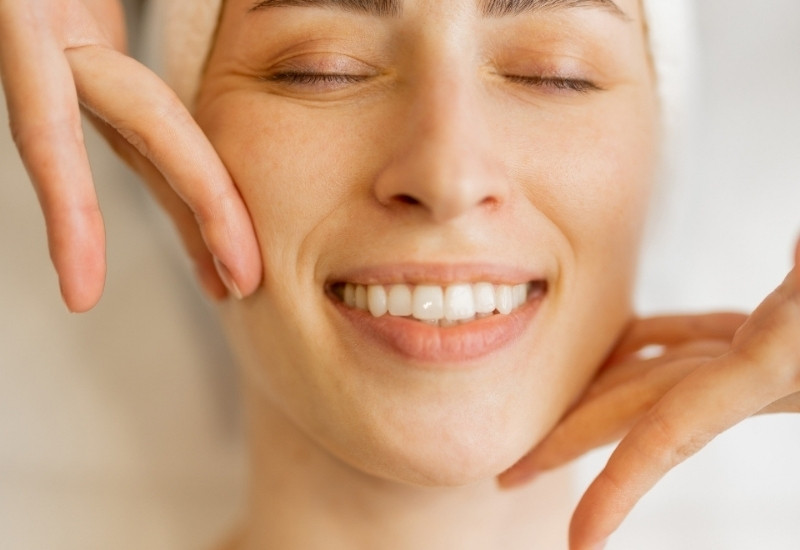
    Application d’un peeling professionnel Vivier sur le visage d'une femme.

    A Bit of History 

    Since ancient times, women have used natural acids to exfoliate and brighten their skin: 

    • Tartaric acid derived from wine sediment in Egypt 
    • Citric acid from lemons during the Renaissance 
    • Glycolic acid extracted from sugar cane, still widely used today 

    Modern science has refined these methods to deliver treatments that are safer, more precise, and significantly more effective. 

    What Exactly Is a Peel? 

    A peel is a professional exfoliatingtreatment that stimulates skin renewal by removing dead skin cells. 

    It helps to: 

    • Refine skin texture 
    • Even out the complexion 
    • Reduce the appearance of pigmentation spots 
    • Minimize imperfections 
    • Enhance radiance 
    • Smooth fine lines 

    The treatment involves applying an exfoliating solution with a brush or a soft compress. The solution remains on the skin for a few minutes before being gently neutralized. 

    A peel does not damage the skin — it regenerates it. 

    Types of Peels and Their Active Ingredients 

    1 — Glycolic Acid Peel (AHA) 

    Derived from sugar cane, glycolic acid is one of the most widely used exfoliating agents due to its small molecular size, which allows it to penetrate the skin easily. It provides a fine yet deep exfoliation, improves radiance, softens dark spots, and leaves the skin smoother and more even.

    This peel comes in two forms. 

    • The aesthetic version, which is gentler, contains a lower concentration of AHAs. It requires multiple sessions and delivers gradual, subtle results.
    • The medico-aesthetic version is more concentrated and works deeper within the skin. It is particularly effective for reducing the appearance of enlarged pores, smoothing uneven texture, reviving dull complexions, and improving residual acne marks as well as early signs of aging.

    2 — Salicylic Acid Peel (BHA) 

    Derived from willow bark, salicylic acid is a key ingredient for oily, acne-prone, or congested skin. Unlike AHAs, it is oil-soluble, allowing it to penetrate inside the pores.

    This type of peel helps dissolve comedones, reduce breakouts, calm inflammation, and lower the risk of acne-related scarring. It is ideal for skin affected by excess shine, blackheads, or recurring imperfections.

    3 — Combination Peel (AHA + BHA) 

    Combination peels leverage the benefits of both acid families — glycolic (AHA) and salicylic (BHA). This formula is ideal for acne-prone, uneven, or hyperpigmented skin.

    In a single treatment, the skin benefits from both surface and deeper exfoliation, helping to smooth texture, even out tone, and improve the appearance of imperfections.

    What Happens During a Professional Peel? 

    A typical treatment includes: 

    • A consultation to assess the skin 
    • Application of the exfoliating solution 
    • A 3 to 5-minute exposure time 
    • Gentle neutralization 
    • Post-treatment skincare recommendations 

    It is normal to experience: 

    • Mild tingling 
    • Slight redness 
    • Light peeling in the following days 

    Results appear quickly: a brighter complexion, smoother skin, and less visible pores. 

    Contraindications 

    A peel is not recommended in cases of: 

    • Pregnancy or breastfeeding 
    • Active dermatitis or inflammatory flare-ups 
    • Unstable chronic skin conditions 
    • Allergy to any active ingredient 
    • Recent sun exposure 

    A proper evaluation is essential to ensure a safe treatment. 

    Conclusion: New Skin Within Reach 

    Modern peels are far gentler, better controlled, and more effective than ever before. They provide a true radiance boost for dull, uneven, or imperfect skin. 

    If you’d like to refresh your complexion, smooth your skin, or improve certain irregularities: 

    Book a complimentary consultation with a medico-aesthetic technician. 
  • Permanent Hair Removal: Laser vs Intense Pulsed Light (IPL) 

    Permanent Hair Removal: Laser vs Intense Pulsed Light (IPL) 

    Permanent Hair Removal: Laser vs Intense Pulsed Light (IPL)

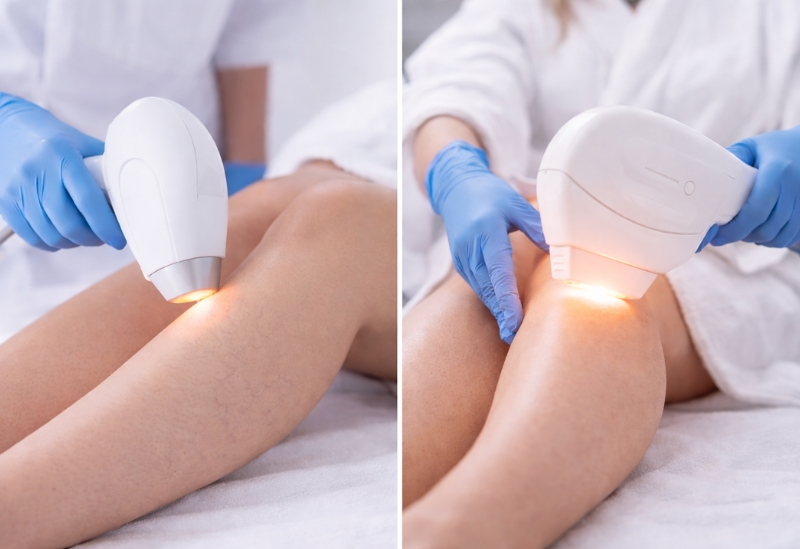
    Medical aesthetic technician performing a laser hair removal treatment on a client at an Epiderma clinic.

    Here is a clear and updated guide comparing laser hair removal — the technology used in all our clinics — and Intense Pulsed Light (IPL), which is more limited and variable.

    How Does Permanent Hair Removal Work?

    Both laser and IPL are based on the same principle:

    Light is absorbed by the melanin in the hair, then converted into heat to destroy the follicle responsible for regrowth.

    Effectiveness, however, depends on the precision, selectivity, and power of the technology used — and this is where laser stands out.

    1 — Laser Hair Removal: The Gold Standard

    For over 25 years, laser technology has been recognized as the most effective, precise, and reliable solution for hair reduction.

    More Targeted Technology

    • Monochromatic, highly selective light
    • Coherent beam that precisely targets the hair from the bulge to the bulb
    • High precision, even in delicate areas

    Enhanced Safety

    Modern lasers feature integrated cooling systems that reduce discomfort and help prevent overheating.

    Suitable for More Skin Types

    Unlike IPL, laser treatments can be safely adapted for:

    • Fair skin
    • Medium skin
    • Darker skin

    → Making it a more inclusive and safer option.

    Fast and Long-Lasting Results

    On average:

    • 5 to 6 sessions
    • Approximately 80% hair reduction (depending on area and skin type)

    Laser hair removal remains the preferred choice for consistent, long-term results.

    2 — Intense Pulsed Light (IPL): Less Precision

    IPL uses a flash lamp that emits a broad spectrum of light, making it less targeted than laser technology.

    Main Limitations

    • Polychromatic, less selective light
    • More variable results
    • Larger treatment head, reducing precision
    • Less effective on deeply rooted or very dark hair

    Compatible Skin Types

    IPL is suitable only for:

    • Very fair skin
    • Dark hair

    It is contraindicated for medium, darker, tanned, or recently sun-exposed skin.

    Results

    Typically requires more sessions, with less consistent and less durable outcomes.

    Use Cases

    IPL may help:

    • Miniaturize certain hairs
    • Lighten finer hair

    However, it does not match the effectiveness of laser for permanent hair reduction.

    3 — Important Contraindications

    Both technologies should be avoided in the following cases:

    • White, light red, or very blonde hair
    • Use of photosensitizing medications
    • Photodermatoses
    • Pregnancy
    • Tattooed areas
    • Recent sun exposure (especially for IPL)

    A personalized assessment is essential to ensure safe treatment.

    Why Choose Laser Hair Removal at Epiderma?

    In all our clinics, we exclusively offer laser hair removal because it provides:

    Superior Long-Term Results

    • Durable reduction
    • Finer hair
    • Slower regrowth

    Maximum Safety

    • Health Canada–approved technologies
    • Precise calibration
    • Integrated cooling systems

    Comprehensive Professional Care

    Treatments performed by medico-aesthetic technicians under medical supervision.

    Personalized Approach

    Each assessment determines:

    • Laser compatibility
    • Required precautions
    • Optimal treatment plan based on skin and goals

    Our commitment: effective, safe, and personalized treatments.

    Conclusion

    Laser hair removal remains the most effective, precise, and safest solution for long-term hair reduction. In comparison, IPL presents more limitations, less precision, and is not suitable for all skin phototypes.

    To determine whether laser treatment is right for you, a personalized evaluation is the essential first step.

    Book your free laser hair removal consultation