Tag: pigmentation spots

  • The 6 Essentials for Optimal Sun Protection

    The 6 Essentials for Optimal Sun Protection

    The 6 Essentials for Optimal Sun Protection

    The sun is finally here — the perfect time to enjoy vacation season. However, it’s crucial not to overlook sun protection, not only for our children but for ourselves as well. While the sun offers benefits such as improved mood and vitamin D synthesis, prolonged exposure can also lead to premature aging, sunburns, and increased skin cancer risk. Here are the key essentials to protect your skin effectively.

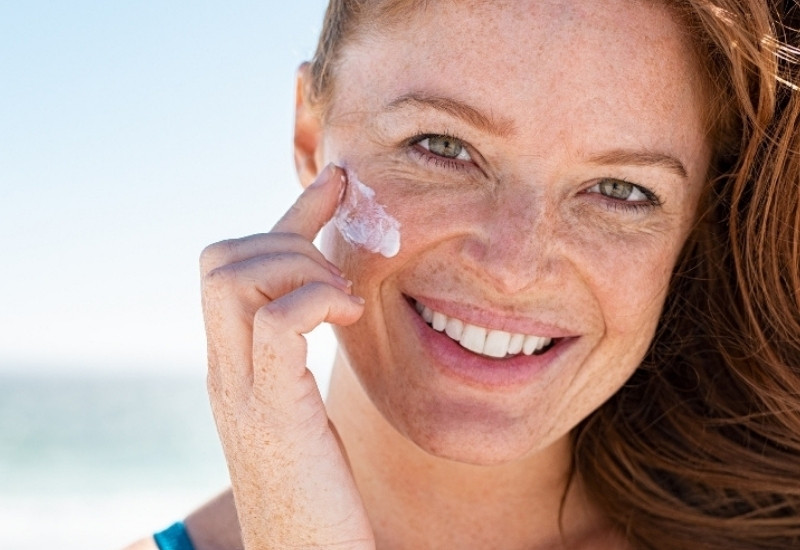
    Essentials for optimal sun protection: enjoy the sun while protecting your skin from sunburn.

    What Do UVA and UVB Rays Actually Do? 

    UVA Rays 

    UVA rays cause immediate tanning but are just as harmful as UVB rays. They contribute to premature aging, pigmentation disorders, and increase the risk of skin cancer. Unlike UVB rays, UVA rays penetrate glass, meaning their radiation remains constant throughout the day.

    UVB Rays 

    UVB rays are responsible for sunburns and delayed tanning that can last for several weeks. They are most intense between 11 a.m. and 4 p.m.

    Sunburns 

    Excessive sun exposure can result in sunburns, premature skin aging, wrinkle formation, and increased skin cancer risk. A sunburn is a skin inflammation that causes redness and pain, typically appearing 12 to 24 hours after exposure. Severity varies depending on skin type, with fair skin being more vulnerable to stronger reactions than darker skin tones.

    Sun Protection Factor (SPF) 

    SPF measures a sunscreen’s ability to filter sun rays and indicates how long skin can be exposed before burning. SPF ratings are universal — SPF 15 provides the same level of protection regardless of brand. SPF primarily protects against UVB rays, but it is essential to choose a broad-spectrum sunscreen to ensure protection from UVA rays as well.

    Choosing the Right SPF 

    The higher the SPF, the greater the UVB protection. However, it is incorrect to assume that SPF 30 blocks twice as many rays as SPF 15. 

    Here’s how SPF levels compare: 

    • SPF 15 blocks approximately 93% of UVB rays 
    • SPF 30 blocks approximately 97% of UVB rays 
    • SPF 60 blocks approximately 98% of UVB rays 
    • SPF 70 blocks approximately 98.2% of UVB rays 

    To select the protection best suited to your needs, consider your skin type and how it reacts to sun exposure. 

    Applying Sunscreen Properly 

    Using a high-SPF sunscreen can create a false sense of security. Apply sunscreen 30 minutes before sun exposure and reapply every two hours. Remember to reapply after swimming, sweating, or friction from clothing, as these factors reduce effectiveness. Even with water-resistant products, reapplication after swimming is recommended for optimal protection.

    UVC Rays and Protection Against Pigmentation 

    Sunlight includes not only UVA and UVB rays but also UVC rays, which have a high carcinogenic potential. Although the ozone layer filters most UVC rays, thinning of this layer increases exposure risk in certain regions.

    To enjoy the sun while minimizing skin damage — including pigmentation spots — consider incorporating these essentials into your routine:

    Book your appointment today for a personalized evaluation and discover our full range of sun protection products. 

  • How to Achieve Radiant Skin Before Your Wedding 

    How to Achieve Radiant Skin Before Your Wedding 

    How to Achieve Radiant Skin Before Your Wedding 

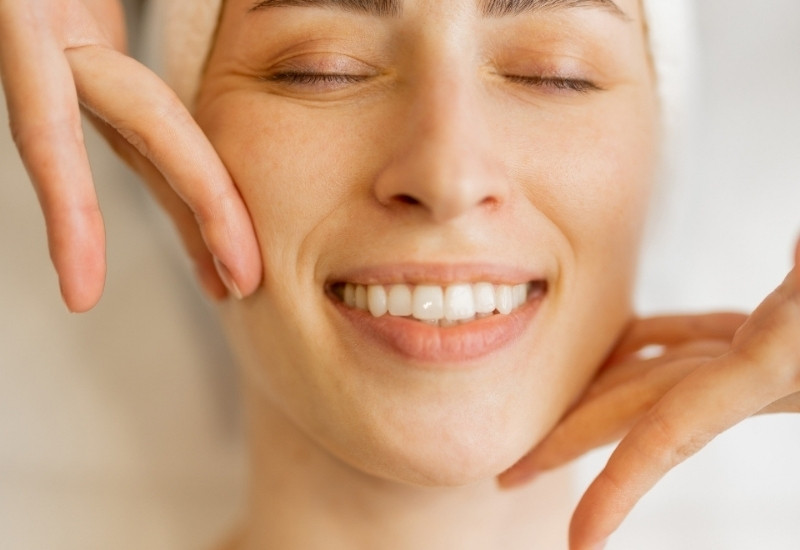
    Femme préparant sa peau avant son mariage avec des soins du visage en clinique pour obtenir un teint éclatant

    For an Instant Glow and Healthy Radiance 

    Microdermabrasion is a skin treatment that removes the outer layer of dead skin cells, revealing fresher, smoother, and more radiant skin. A series of four to six treatments, performed every two weeks, is recommended for optimal results. 

    Chemical peels are also excellent for enhancing skin radiance. Allure peels, the Revitalizing Micro-Peel, or a single glow peel may be selected based on your skin’s needs. These treatments help eliminate dead skin cells and stimulate collagen production, improving both texture and appearance. 

    Photorejuvenation is another option for evening out skin tone while reducing pigmentation spots and redness. This technique uses light pulses to stimulate collagen production and improve overall skin clarity. 

    Microneedling stimulates collagen production, helping improve skin texture and quality. This treatment supports tissue regeneration and is particularly beneficial for softening fine lines and acne scars. 

    Finally, neuromodulator or dermal filler injections may be considered to enhance facial features before your wedding. 

    Dermal fillers help soften under-eye hollows, restore facial volume, and refine contours — all without surgery. 

    Neuromodulator injections help reduce visible signs of aging such as wrinkles, crow’s feet, and tired-looking features. 

    For the Body: Improving Skin Appearance 

    Body contouring treatments help reduce the appearance of cellulite and improve skin firmness.

    A series of treatments may be recommended depending on your goals. 

    Sclerotherapy is also a popular treatment for minimizing visible varicose and spider veins on the legs, helping achieve a smoother, more even appearance. 

    Enhance and Maintain Your Results: Product Recommendations 

    Alongside treatments, using the right skincare products is essential. 

    Exfoliants such as the Medicart Triple Action Exfoliant help remove dead skin cells and refine skin texture. 

    Masks like the Medicart Soothing Mask or Hydrating Anti-Stress Mask help hydrate and calm the skin. 

    When Should You Start Your Wedding Skincare Plan? 

    6 Months Before 

    • Microneedling 
    • Photorejuvenation 
    • Body contouring & cellulite treatments 
    • Sclerotherapy for varicose veins 

    3 Months Before 

    • Series of chemical peels 
    • Microdermabrasion series 
    • Dermal fillers if needed 

    1 Month Before 

    • Chemical peel 
    • Vivier facial 
    • Neuromodulators for optimal results 

    1 Week Before 

    • Hydrating facial 
    • Soothing masks 
    • Avoid aggressive treatments 

    2 Days Before 

    • Hydration 
    • Gentle skincare routine 
    • Skin rest 

    Need Personalized Advice? 

    Not sure which treatment is right for you? 

    Book a complimentary consultation with one of our medico-esthetic technicians today. 

    Schedule Your Free Consultation

  • Let’s Talk Peels: The “New Skin” Effect 

    Let’s Talk Peels: The “New Skin” Effect 

    Let’s Talk Peels: The “New Skin” Effect

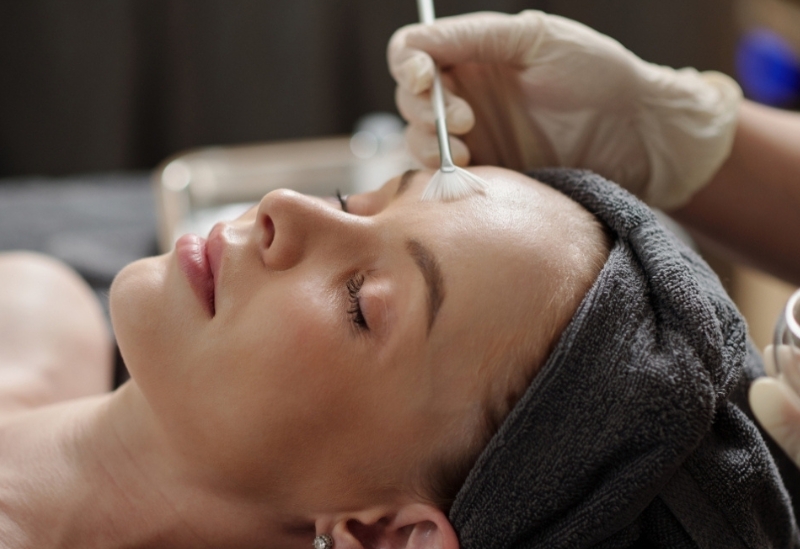
    Application d’un peeling professionnel Vivier sur le visage d'une femme.

    A Bit of History 

    Since ancient times, women have used natural acids to exfoliate and brighten their skin: 

    • Tartaric acid derived from wine sediment in Egypt 
    • Citric acid from lemons during the Renaissance 
    • Glycolic acid extracted from sugar cane, still widely used today 

    Modern science has refined these methods to deliver treatments that are safer, more precise, and significantly more effective. 

    What Exactly Is a Peel? 

    A peel is a professional exfoliatingtreatment that stimulates skin renewal by removing dead skin cells. 

    It helps to: 

    • Refine skin texture 
    • Even out the complexion 
    • Reduce the appearance of pigmentation spots 
    • Minimize imperfections 
    • Enhance radiance 
    • Smooth fine lines 

    The treatment involves applying an exfoliating solution with a brush or a soft compress. The solution remains on the skin for a few minutes before being gently neutralized. 

    A peel does not damage the skin — it regenerates it. 

    Types of Peels and Their Active Ingredients 

    1 — Glycolic Acid Peel (AHA) 

    Derived from sugar cane, glycolic acid is one of the most widely used exfoliating agents due to its small molecular size, which allows it to penetrate the skin easily. It provides a fine yet deep exfoliation, improves radiance, softens dark spots, and leaves the skin smoother and more even.

    This peel comes in two forms. 

    • The aesthetic version, which is gentler, contains a lower concentration of AHAs. It requires multiple sessions and delivers gradual, subtle results.
    • The medico-aesthetic version is more concentrated and works deeper within the skin. It is particularly effective for reducing the appearance of enlarged pores, smoothing uneven texture, reviving dull complexions, and improving residual acne marks as well as early signs of aging.

    2 — Salicylic Acid Peel (BHA) 

    Derived from willow bark, salicylic acid is a key ingredient for oily, acne-prone, or congested skin. Unlike AHAs, it is oil-soluble, allowing it to penetrate inside the pores.

    This type of peel helps dissolve comedones, reduce breakouts, calm inflammation, and lower the risk of acne-related scarring. It is ideal for skin affected by excess shine, blackheads, or recurring imperfections.

    3 — Combination Peel (AHA + BHA) 

    Combination peels leverage the benefits of both acid families — glycolic (AHA) and salicylic (BHA). This formula is ideal for acne-prone, uneven, or hyperpigmented skin.

    In a single treatment, the skin benefits from both surface and deeper exfoliation, helping to smooth texture, even out tone, and improve the appearance of imperfections.

    What Happens During a Professional Peel? 

    A typical treatment includes: 

    • A consultation to assess the skin 
    • Application of the exfoliating solution 
    • A 3 to 5-minute exposure time 
    • Gentle neutralization 
    • Post-treatment skincare recommendations 

    It is normal to experience: 

    • Mild tingling 
    • Slight redness 
    • Light peeling in the following days 

    Results appear quickly: a brighter complexion, smoother skin, and less visible pores. 

    Contraindications 

    A peel is not recommended in cases of: 

    • Pregnancy or breastfeeding 
    • Active dermatitis or inflammatory flare-ups 
    • Unstable chronic skin conditions 
    • Allergy to any active ingredient 
    • Recent sun exposure 

    A proper evaluation is essential to ensure a safe treatment. 

    Conclusion: New Skin Within Reach 

    Modern peels are far gentler, better controlled, and more effective than ever before. They provide a true radiance boost for dull, uneven, or imperfect skin. 

    If you’d like to refresh your complexion, smooth your skin, or improve certain irregularities: 

    Book a complimentary consultation with a medico-aesthetic technician. 

  • Skin Aging: Understanding and Preventing It 

    Skin Aging: Understanding and Preventing It 

    Skin Aging: Understanding and Preventing It

    Illustration of skin aging and the different layers of the skin

    Over time, skin cells take longer to migrate from the deepest layer to the surface — a process that typically lasts between four to five weeks. This phenomenon is amplified by excessive sun or UV exposure, which causes the stratum corneum (the outermost layer of the epidermis) to thicken as a protective response.

    But what are the specific effects of skin aging on the different layers of the skin?

    The Effects of Aging on the Skin’s Layers

    The Epidermis

    • Dryness and dehydration: Sebum production decreases with age, affecting the skin’s protective barrier. As a result, the skin becomes drier and less capable of retaining moisture.
    • Irregular pigmentation: Pigment-producing cells may become dysfunctional, leading to the appearance of pigmentation spots.
    • Thinning: The skin loses density, making the epidermis thinner while the outer layer thickens. This contributes to uneven texture and a dull complexion.
    • Slower cell renewal: The skin’s regenerative capacity diminishes, delaying healing.

    The Dermo-Epidermal Junction

    • Reduced nutrient exchange: The junction between the dermis and epidermis gradually flattens, decreasing cohesion and limiting nutrient transfer.

    The Dermis

    • Dehydration: Water retention becomes less efficient due to decreased hyaluronic acid synthesis.
    • Deeper wrinkles: Collagen quality and quantity decline, leading to more pronounced wrinkles.
    • Loss of firmness: Collagen fibers stiffen and separate, reducing skin firmness.
    • Reduced elasticity: Elastin fibers diminish, decreasing skin elasticity and tone.
    • Skin paleness: Reduced vascularization may contribute to a paler complexion and altered thermoregulation.

    The Hypodermis

    • Sagging of fat mass:Volume loss in the hypodermis accentuates skin laxity.

    Factors Contributing to Premature Skin Aging

    Premature skin aging is largely influenced by external factors such as sun exposure, cold weather, pollution, smoking, alcohol consumption, stress, and an unbalanced diet. These elements generate free radicals that damage essential skin structures — including collagen, elastin, cellular lipids, and DNA — accelerating visible aging and increasing health risks. Fortunately, antioxidants play a protective role.

    Solutions

    Antioxidants

    The body naturally relies on antioxidants to defend against free radicals. While some are produced internally, others must be obtained through diet or topical application. Vitamins E, C, and A are particularly effective when combined.

    Topical antioxidants can help:

    • Reduce free radical damage
    • Support the skin’s natural defense system
    • Decrease inflammation that degrades collagen
    • Protect against UV-related damage

    Although antioxidants cannot reverse skin aging, they are essential for preventing its visible signs.

    If wrinkles deepen, firmness declines rapidly, or pigmentation spots become more pronounced, a personalized clinical evaluation can help identify the most appropriate treatments based on the affected skin layers.

    Aesthetic Treatments

    Several treatments can help minimize visible signs of aging:

    • Glycolic Peel: Using glycolic acid (AHA), this treatment exfoliates the skin by breaking down the bonds between dead skin cells.
    • Microdermabrasion: This technique removes dead skin cells from the outer layer, leaving the skin smoother and more refined.
    • Photorejuvenation: Stimulates collagen production, improving skin tone and reducing superficial wrinkles.
    • Neuromodulator Injections: Relax facial muscles to soften expression lines, particularly on the forehead and around the eyes.


    Combined with proper sun protection and a tailored skincare routine, these professional treatments help preserve skin health and youthful appearance over time.

    Would you like to better understand your skin’s condition and target the most suitable treatments? Book your personalized skin evaluation with one of our professionals.

    BOOK AN APPOINTMENT

  • Three Targeted Peeling Programs

    Three Targeted Peeling Programs

    Three Targeted Peeling Programs

    Application of a professional facial peel at an Epiderma clinic.

    What is a professional peel?

    A peel is a skin-resurfacing treatment that exfoliates the superficial layer of the skin to stimulate cell renewal.

    During the session:

    • a solution is applied to the entire face using gauze
    • it remains active for 3 to 5 minutes under the constant supervision of a medical aesthetic technician
    • the treatment is safe, non-invasive, and self-neutralizing

    Peels are particularly effective for treating:

    • enlarged pores
    • pigmentation spots
    • acne and residual marks
    • fine lines
    • uneven skin tone
    • sun damage

    1 — Allure Peel

    For skin showing advanced signs of aging

    This professional peel promotes controlled exfoliation and helps reduce:

    • the appearance of age spots
    • enlarged pores
    • wrinkles and fine lines
    • hyperpigmentation

    The Allure Peel revitalizes the skin, restores radiance and uniformity, and contributes to a smoother, more youthful appearance.

    2 — Neutra-Acne Peel

    For oily, acne-prone, or blemish-prone skin

    Formulated to soothe inflammation and regulate sebum production, this peel provides:

    • deep exfoliation
    • antibacterial and anti-inflammatory action
    • rapid improvement in skin texture

    It helps to:

    • reduce breakouts and blemishes
    • dissolve comedones
    • unclog blackheads and microcysts
    • reduce mild to moderate acne scarring

    This 8-week program includes:

    • two in-clinic peels
    • a home-care kit to prolong results

    3 — Revitalizing Micro-Peel

    To improve radiance, texture, and tone uniformity (ages 20–50)

    This program combines microdermabrasion and a peel for deeper, more even exfoliation.

    Microdermabrasion uses a stream of microcrystals to exfoliate the skin and enhance peel penetration.

    Observed results:

    • reduction of enlarged pores
    • improved skin texture
    • diminished pigmentation spots
    • visibly smoother, brighter skin

    The standard program lasts 16 weeks and includes:

    • three combined treatments (microdermabrasion + peel)
    • a home-care kit

    An extended 18-week version adds an extra session for enhanced firming and radiance.

    Conclusion: Which program is right for you?

    Each peel works differently depending on skin type, sensitivity, and desired results.

    To determine the most suitable program for your skin:


    Book a free skin evaluation.


    Our medical aesthetic technicians will guide you toward the most appropriate treatment to reveal a more even, radiant, and revitalized complexion.

  • 4 Products to Care for Your Skin This Summer 

    4 Products to Care for Your Skin This Summer 

    4 Products to Care for Your Skin This Summer 

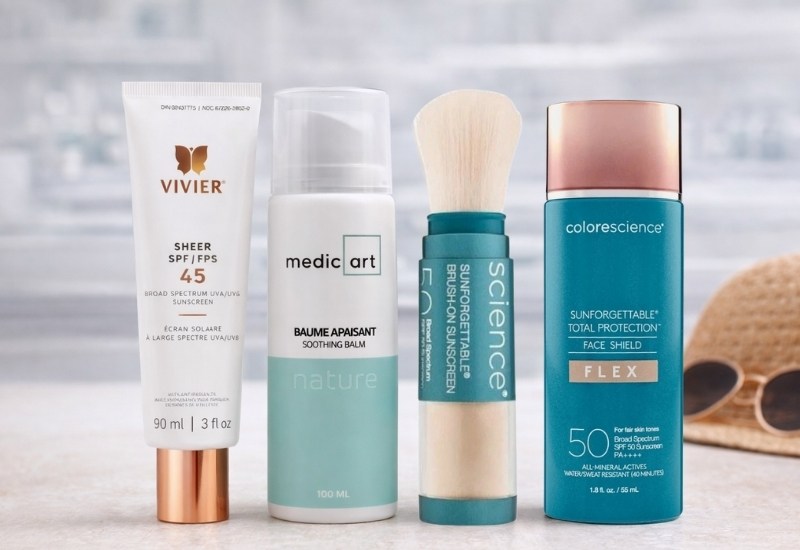
    Four skincare products to protect and soothe the skin during summer

    Here are four essential products recommended by our professionals to keep your skin healthy, radiant, and protected all summer long — and all year round. 

    1 — Sheer Broad Spectrum SPF 45 — Vivier Pharma

    Price: $65

    This silky, non-greasy sunscreen lotion provides broad-spectrum protection against UVA and UVB rays. Perfect for normal to dry skin, it leaves your skin feeling comfortable throughout the day. 

    Made in Québec, this Vivier product is also cruelty-free — an ideal choice for effective and ethical sun protection. 

    2 — Sunforgettable Brush-On Powder SPF 50 — Colorescience 

    Price: $94 

    The ideal powdered sun protection to keep in your bag for quick touch-ups during the day. 

    This 100% mineral formula protects against UVA/UVB rays as well as daily environmental stressors. 

    Available in four natural shades, it suits all skin types while lightly evening out the complexion. Perfect for outdoor activities, sunny days — or for easily reapplying SPF over makeup. 

    3 — Face Shield Flex SPF 50 — Colorescience

    Price: $80 

    The tinted version of Colorescience sun protection, featuring exclusive EnviroScreen™ technology for comprehensive defense against: 

    • UVA / UVB 
    • Blue light 
    • Pollution 
    • Free radicals 

    Its flexible color-correcting formula adapts to your skin tone for a radiant, unified finish. Available in four shades, it’s ideal for those seeking high-performance protection while enhancing their complexion. 

    4 — Soothing Balm — Medicart 

    Price: $55 

    Perfect after a day in the sun, this balm provides immediate relief for overheated or irritated skin. It soothes, hydrates, and delivers a refreshing sensation upon application. 

    An ideal ally for:

    • Redness after prolonged sun exposure
    • Feelings of discomfort
    • Mild sunburn

    A must-have in every summer skincare kit. 

    Conclusion 

    To fully enjoy summer with peaceof mind, the formula is simple: daily sun protection + the right products for your skin

    These four essentials go wherever you go — from the terrace to the poolside — while preserving your skin’s health and beauty. 

    Ask our professionals for personalized advice on choosing the ideal SPF. 

    Book an appointment for a skin evaluation.