Category: Concerns

  • Acne: Understanding and Treating This Common Skin Condition

    Acne: Understanding and Treating This Common Skin Condition

    Acne: Understanding and Treating This Common Skin Condition

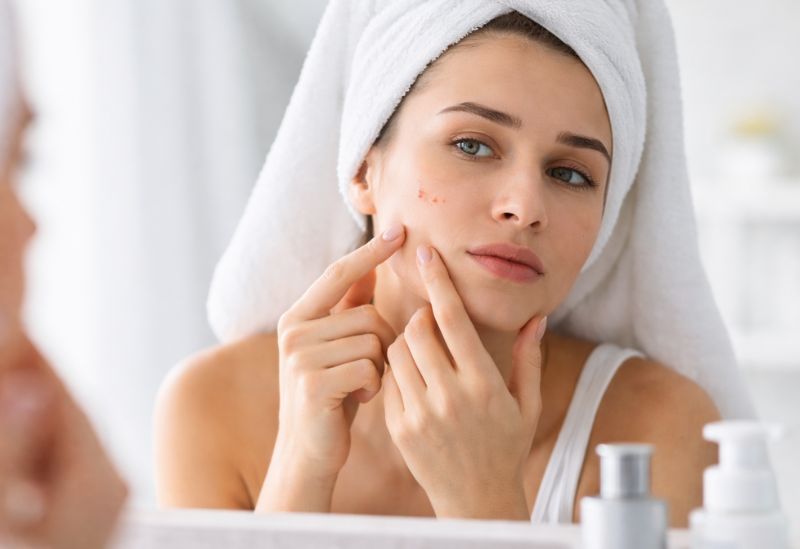
    Acne care – Treatments and skincare for acne-prone skin, with recommended products to help reduce breakouts and refine skin texture.

    What Is Acne? 

    Acne is a skin disorder primarily caused by dysfunction of the sebaceous glands. This imbalance leads to clogged pores, particularly around hair follicles. During adolescence, acne commonly appears on the face, neck, and back. In adulthood, breakouts are more frequently concentrated on the lower face, especially along the jawline, around the mouth, and on the chin.

    Acne is often associated with excess sebum production, resulting in oily skin. However, adult acne can also develop on dry skin due to hyperkeratinization — a buildup of dead skin cells that thickens the skin’s outer layer. This process is often linked to reduced sebum secretion. Symptoms worsen when normally harmless bacteria, naturally present in the skin, become trapped within a comedone, triggering inflammation.

    Risk Factors 

    Adult acne is frequently linked to hormonal fluctuations and may be influenced by several factors: 

    • Heredity 
    • Stress 
    • Pollution 
    • Smoking 
    • Certain medications 
    • Heavy or comedogenic cosmetic products 
    • Diet 
    • Pregnancy 
    • Menstrual cycles and oral contraceptives 
    • Strength training and dietary supplements 

    Hygiene and Basic Skincare Tips 

    Although acne is not caused by poor hygiene, proper skincare habits are essential for acne-prone skin: 

    • Gently cleanse the skin regularly using a dermatological bar, milk cleanser, or non-irritating cleansing gel. 
    • Moisturize the skin — even oily skin — with an oil-free, non-comedogenic product. 
    • Exfoliate using appropriate products, such as those containing salicylic acid or glycolic acid. 
    • Avoid excessive sun exposure and heat. 
    • Do not pick at blemishes or touch the face unnecessarily. 
    • Wash pillowcases and sheets regularly to minimize bacterial contact. 
    • Choose makeup specifically formulated for acne-prone skin, free of heavy oils. 

    Recommended Treatments and Products 

    • Neutra-Acne Peel: This anti-inflammatory, antibacterial, and exfoliating treatment helps rebalance the skin, tighten dilated pores, and improve overall texture. It targets breakouts, dissolves comedones, clears microcysts and blackheads, and helps reduce mild to moderate acne scarring.
    • Impeccable Skin Facial: This six-step facial combines deep cleansing with an active-ingredient peel to eliminate impurities and refine pores. Ideal for oily, congested, or acne-prone skin, it detoxifies, smooths skin texture, and promotes a clearer, more balanced complexion.
    • Vivier Pharma Acne Program Kit: A two-step system designed to visibly reduce whiteheads and blackheads for a clearer, more even complexion. The Medicated Wash and Acne Treatment Lotion should be used twice daily and can be applied to the face, chest, and back.
    • Medicart Soothing Balm: Ideal for preventing ingrown hairs and relieving irritation thanks to its antibacterial and anti-inflammatory properties. It can also be used as a lightweight moisturizer for oily or acne-prone skin or as an aftershave treatment.

    For healthier skin and effective acne management, adopting a tailored skincare routine and selecting the right products is essential. 

    Book an appointment with a medico-esthetic technician for a personalized treatment plan suited toyour skin type and specific concerns. 

  • Brown Spots: How Photorejuvenation at Epiderma Can Help You

    Brown Spots: How Photorejuvenation at Epiderma Can Help You

    Brown Spots: How Photorejuvenation at Epiderma Can Help You

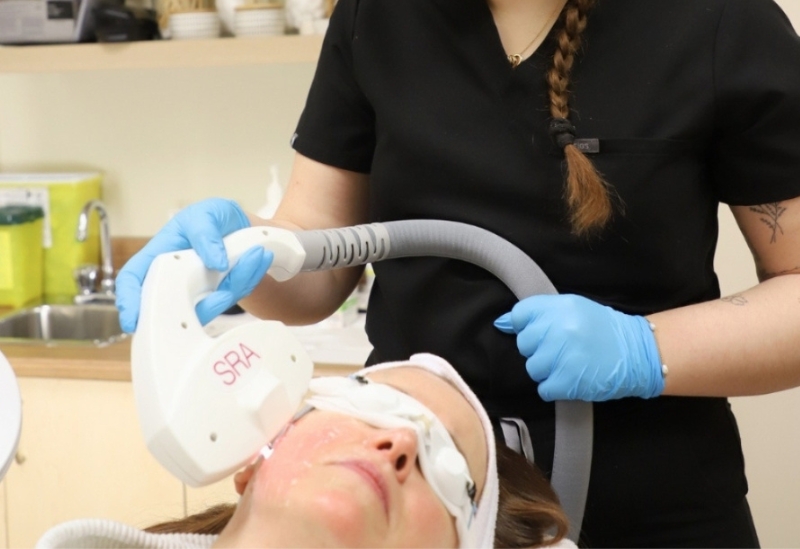
    Photorejuvenation treatment to reduce dark spots and even out skin tone at Epiderma

    These pigmented spots, often caused by prolonged sun exposure without adequate protection, are among the most visible signs of photoaging. Fortunately, effective solutions are now available to restore a clearer, more even complexion.

    At Epiderma, thanks to our rigorous medical framework and expertise in medical aesthetics, we have been offering advanced photorejuvenation treatments since 2022 using Elos Plus technology (SRA applicator). This innovative treatment targets both superficial and deeper layers of the skin to effectively address benign pigmentation concerns such as dark spots, redness, and superficial melasma.

    By combining intense pulsed light (IPL) with thermal energy, photorejuvenation stimulates collagen production beneath the skin without damaging its surface. The result is progressively clearer, smoother, and more radiant skin, with a restored natural glow, minimal discomfort, and little to no downtime.

    Before/after photorejuvenation at Epiderma showing improved skin tone, smoother texture, and reduced spots.

    “Photorejuvenation allows for gradual improvement in skin quality, with results that can last for several months,” explains Dr. Alexis Du Cap, Medical Director at Epiderma.

    Whether you are looking to reduce pigmentation, refine skin texture, or revive your complexion’s radiance, Elos Plus photorejuvenation is a safe, quick, and effective solution performed under medical supervision in our clinics.

    Book a free consultation and discover how we can help you achieve radiant skin.

  • Three Targeted Peeling Programs

    Three Targeted Peeling Programs

    Three Targeted Peeling Programs

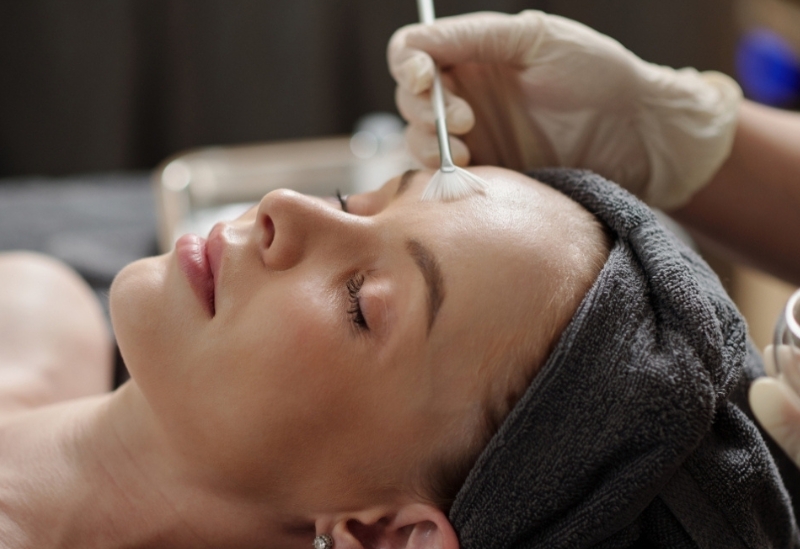
    Application of a professional facial peel at an Epiderma clinic.

    What is a professional peel?

    A peel is a skin-resurfacing treatment that exfoliates the superficial layer of the skin to stimulate cell renewal.

    During the session:

    • a solution is applied to the entire face using gauze
    • it remains active for 3 to 5 minutes under the constant supervision of a medical aesthetic technician
    • the treatment is safe, non-invasive, and self-neutralizing

    Peels are particularly effective for treating:

    • enlarged pores
    • pigmentation spots
    • acne and residual marks
    • fine lines
    • uneven skin tone
    • sun damage

    1 — Allure Peel

    For skin showing advanced signs of aging

    This professional peel promotes controlled exfoliation and helps reduce:

    • the appearance of age spots
    • enlarged pores
    • wrinkles and fine lines
    • hyperpigmentation

    The Allure Peel revitalizes the skin, restores radiance and uniformity, and contributes to a smoother, more youthful appearance.

    2 — Neutra-Acne Peel

    For oily, acne-prone, or blemish-prone skin

    Formulated to soothe inflammation and regulate sebum production, this peel provides:

    • deep exfoliation
    • antibacterial and anti-inflammatory action
    • rapid improvement in skin texture

    It helps to:

    • reduce breakouts and blemishes
    • dissolve comedones
    • unclog blackheads and microcysts
    • reduce mild to moderate acne scarring

    This 8-week program includes:

    • two in-clinic peels
    • a home-care kit to prolong results

    3 — Revitalizing Micro-Peel

    To improve radiance, texture, and tone uniformity (ages 20–50)

    This program combines microdermabrasion and a peel for deeper, more even exfoliation.

    Microdermabrasion uses a stream of microcrystals to exfoliate the skin and enhance peel penetration.

    Observed results:

    • reduction of enlarged pores
    • improved skin texture
    • diminished pigmentation spots
    • visibly smoother, brighter skin

    The standard program lasts 16 weeks and includes:

    • three combined treatments (microdermabrasion + peel)
    • a home-care kit

    An extended 18-week version adds an extra session for enhanced firming and radiance.

    Conclusion: Which program is right for you?

    Each peel works differently depending on skin type, sensitivity, and desired results.

    To determine the most suitable program for your skin:


    Book a free skin evaluation.


    Our medical aesthetic technicians will guide you toward the most appropriate treatment to reveal a more even, radiant, and revitalized complexion.

  • Understanding Injectable Treatments with the Network’s Medical Director

    Understanding Injectable Treatments with the Network’s Medical Director

    Understanding Injectable Treatments with the Network’s Medical Director

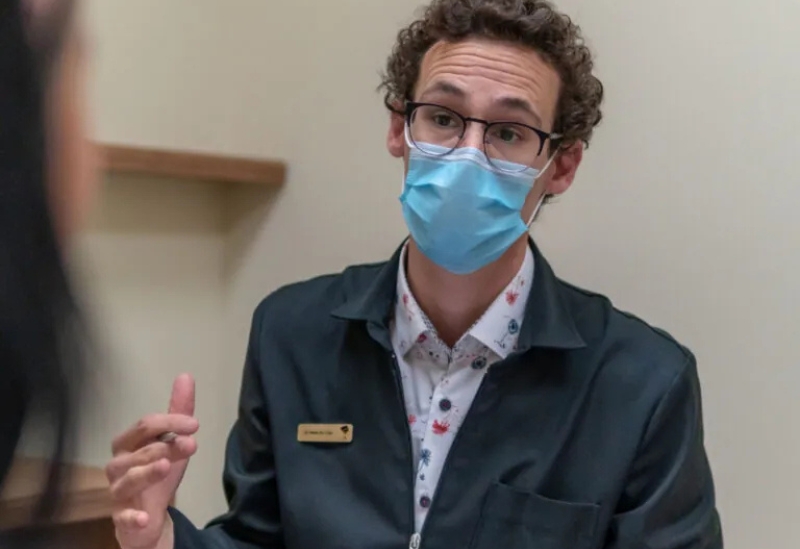
    Injecting physician discussing an injection treatment with a patient during a consultation.

    Neuromodulators vs. Dermal Fillers: What’s the Difference?

    Neuromodulators

    Neuromodulators (Botulinum toxin) temporarily block the nerve signals responsible for muscle contractions.
    They help relax the muscles and reduce the appearance of dynamic wrinkles, such as:

    • forehead lines
    • crow’s feet
    • frown lines (glabella)

    Dermal Fillers

    Dermal fillers — most commonly made of hyaluronic acid, a substance naturally found in the body — add volume to:

    • fill wrinkles and hollows
    • enhance certain facial areas
    • restore lost volume
    • improve skin texture and hydration

    In Summary

    • Neuromodulators → relax muscles and reduce expression-related wrinkles.
    • Dermal fillers → restore volume, correct static wrinkles, and enhance facial contours.

    How Long Do Results Last?

    • Neuromodulators: approximately 3 to 4 months
    • Dermal fillers: 1 to 2 years, depending on the product used and the treated area

    What Are the Possible Side Effects?

    Dermal Fillers

    • redness
    • swelling
    • bruising
    • temporary sensitivity or itching

    Neuromodulators

    • bruising or redness at the injection site
    • mild muscle weakness or heaviness
    • occasional headaches

    These effects are generally temporary and resolve on their own.

    Will People Be Able to Tell I’ve Had Injections?

    A natural-looking result depends mainly on:

    • the initial assessment,
    • injection technique,
    • and the physician’s experience.

    At Epiderma, injections are performed exclusively by physicians, in a safe medical environment, to ensure subtle, harmonious results tailored to your facial anatomy.

    Why Does the “Duck Face” Sometimes Occur After Lip Injections?

    The “duck face” is an undesired effect that occurs when too much product is injected or when it is improperly placed.
    In the hands of an experienced professional, this outcome should not occur.

    Can Results Be Reversed If I’m Not Satisfied?

    In cases of complications or undesirable effects, hyaluronidase — an enzyme that dissolves hyaluronic acid — can be used.
    However, it is reserved for medical necessity and not for minor aesthetic adjustments.

    What Is the Role of Medical Oversight at Epiderma?

    Medical direction ensures:

    • consistent practices across clinics
    • ongoing physician training
    • continuous clinical support
    • optimal patient safety

    All injectable treatments are performed by physicians.

    Is It Possible to Have the Consultation and Treatment on the Same Day?

    Yes. You may choose to:

    • meet with a physician for an assessment only, or
    • proceed with both the consultation and treatment on the same day, depending on your decision.

    *Article written in collaboration with Dr Alexis Du Cap.

  • Every Concern Has Its Solution

    Every Concern Has Its Solution

    Every Concern Has Its Solution

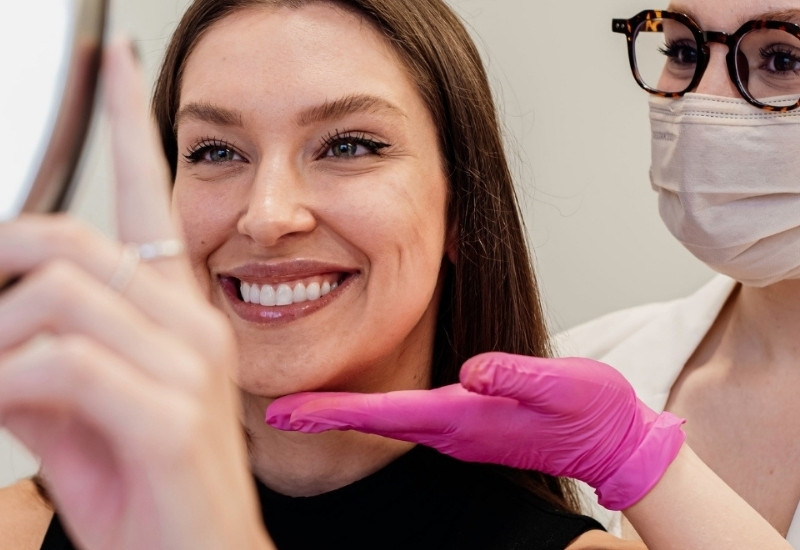
    Young woman undergoing an evaluation to identify treatments suited to her skin concerns.

    Wrinkles, Dark Circles, and Volume Loss

    Wrinkles, dark circles, and volume loss are common signs of skin aging. Several treatments can help address these concerns, including neuromodulator injections, dermal fillers, and PRP or PRF treatments for the under-eye area.

    Neuromodulators target dynamic lines, particularly in the upper face, by relaxing the muscles responsible for their formation. Dermal fillers restore lost volume in areas affected by sagging, providing an immediate rejuvenating effect.

    PRF (Platelet-Rich Fibrin), a 100% natural treatment, uses your body’s own platelets and growth factors to improve the appearance of under-eye discoloration, resulting in a brighter, more refreshed look.

    Dark Spots and Pigmentation Irregularities

    Photorejuvenation, performed under medical supervision, is an effective solution for treating both pigmentary and minor vascular concerns, helping restore a more even, healthy complexion.

    This treatment targets superficial concerns such as hyperpigmentation, freckles, lentigines, telangiectasia, rosacea, and diffuse redness.

    For milder irregularities, a series of peels or microneedling treatments may also provide visible improvements.

    Cellulite and Skin Texture Irregularities

    To address cellulite, we use advanced technology designed to improve skin smoothness and firmness. This approach acts on collagen fibers, fibrous bands, and fat cell structure.

    Unlike older technologies, this method combines infrared energy, radiofrequency, mechanical massage, and suction, allowing for shorter treatments and enhanced results.

    Rosacea and Visible Capillaries

    Rosacea-related redness is often caused by dilated capillaries and altered microcirculation in the facial area.

    At Epiderma, we treat these concerns using sclerotherapy injections, a gentle, minimally invasive approach that requires no downtime.

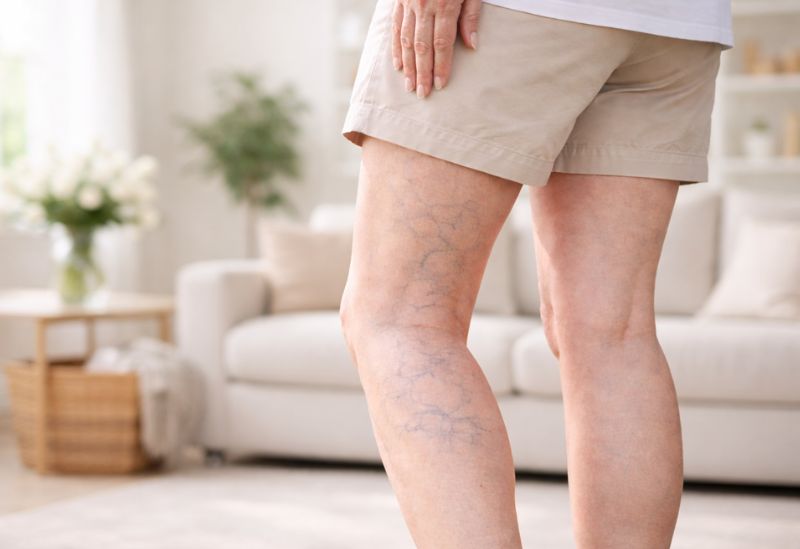
    Varicose Veins and Heavy Legs

    Varicose veins occur when veins are no longer able to efficiently return blood to the heart, leading to symptoms such as leg heaviness, fatigue, and skin changes.

    Varicose vein treatments at Epiderma are performed using sclerotherapy. This minimally invasive procedure involves injecting a sclerosing agent into the affected vein. Each session lasts approximately 20 minutes and requires no recovery period.

    Acne and Oily Skin

    For acne-prone and oily skin, we offer specialized peels along with Vivier Pharma skincare products.

    The Neutra-Acne Peel provides anti-inflammatory, antibacterial, and exfoliating benefits. It helps rebalance the skin, refine enlarged pores, reduce breakouts, and improve the appearance of mild to moderate acne scarring.

    Unwanted Hair

    If unwanted hair is a concern, laser hair removal may be the ideal solution. Epiderma has specialized in this treatment for over 25 years, using advanced laser technology to deliver effective, long-lasting results.

    A complete treatment plan typically involves 5 to 6 sessions, resulting in approximately 80% hair reduction in the treated area. Sessions are spaced about six weeks apart to respect the natural hair growth cycle.

    If you have questions or uncertainties before beginning your medico-aesthetic journey, we always recommend starting with a complimentary consultation. Our technicians will take the time to listen to your concerns and recommend treatments tailored to your needs.

    Book your in-clinic consultation today.

  • Optimize Your Laser Hair Removal Sessions: Everything You Need to Know

    Optimize Your Laser Hair Removal Sessions: Everything You Need to Know

    Optimize Your Laser Hair Removal Sessions: Everything You Need to Know

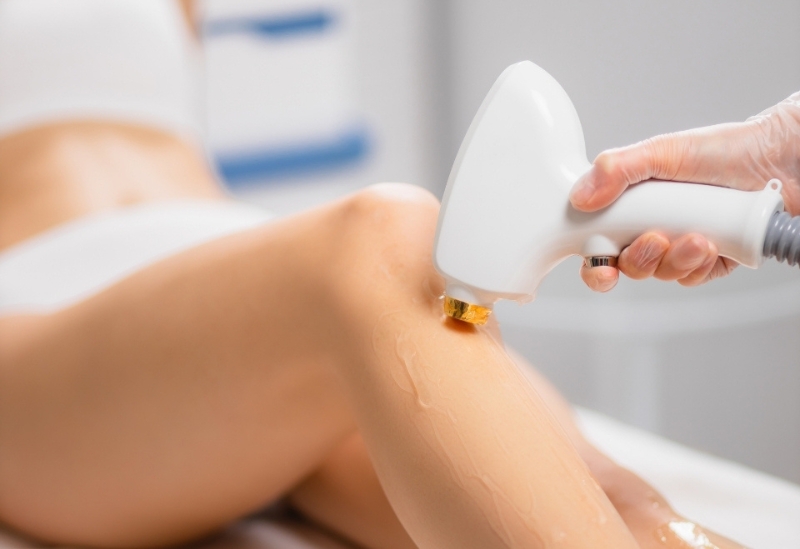
    Optimize your laser hair removal sessions with our tips for better results.

    How many sessions are necessary for effective treatment?

    Generally, 5 to 6 treatments are sufficient to effectively treat an area. On average, about an 80% reduction in hair growth is observed after the sessions. However, several factors can influence these results, including hormones, medication, health condition, skin and hair color, as well as individual hair growth cycle.

    Why do some people require more sessions than others?

    This could be due to differing technologies used. Some technologies offer shallower treatments, meaning the energy is not distributed deeply, resulting in lesser destruction of hair components.

    What is the difference between IPL and laser hair removal?

    It’s important to distinguish between IPL (Intense Pulsed Light) and laser. Laser uses more precise infrared energy, allowing for deeper destruction and quicker, more enduring results. Conversely, IPL provides less precise and less deep radiation, which may lead to hair miniaturization and less stable long-term results.

    Why return every six weeks for a session?

    Returning every six weeks for a session is crucial to ensure optimal results. Hairs must be in their growth phase to be permanently destroyed. This growth phase, called the anagen phase, typically lasts between 1 and 2 months depending on the body area and the individual. Thus, it’s important to adhere to the session schedule to treat all hairs in their growth phase, regardless of the laser hair removal technology used.

    Which areas can be treated with laser hair removal?

    Laser hair removal can be used on all body areas except the scalp, inside of the nose, and ears, which are too sensitive to be treated. Additionally, it’s not possible to treat the periocular region and the glabella, as these areas are too close to the eyes.

    How can you optimize results?

    To maximize the results of your laser hair removal sessions, here are some practical tips:

    1. Use an exfoliating glove to remove dead cells, which can create a barrier to the laser.
    2. Hydrate your skin with a soothing balm.
    3. Avoid sun exposure to maintain pale skin.
    4. Do not pluck hairs between sessions.
    5. Adhere to the session schedule every six weeks to maximize the number of hairs in their growth phase at each appointment.

    Do you have any other questions? Our in-clinic technicians will be happy to assist you.

    Book your free consultation today and discover how laser hair removal can transform your daily routine.

  • How to Combat Facial Loss of Firmness: Expert Tips & Solutions

    How to Combat Facial Loss of Firmness: Expert Tips & Solutions

    How to Combat Facial Loss of Firmness: Expert Tips & Solutions

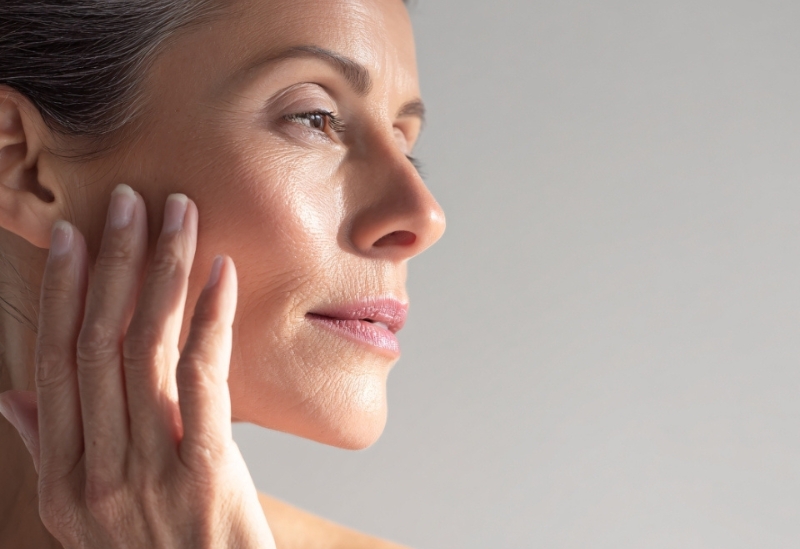
    Woman touching her cheek to illustrate firmness and the quality of facial skin.

    What Causes Loss of Facial Firmness?

    1. The Surface Skin (Epidermis)

    With age, the skin:

    • retains moisture less effectively
    • produces fewer ceramides
    • renews its cells more slowly
    • loses radiance

    As a result, the skin appears thinner, duller, and less luminous.

    2. The Deeper Dermis

    This is where supportive fibers such as collagen and elastin are found.
    Over the years:

    • their production slows down
    • their structure becomes more rigid
    • the dermis becomes thinner

    The skin gradually loses density and elasticity. The first signs of sagging typically appear in the cheeks, lower face, and eye contour.

    3. Decrease in Natural Hyaluronic Acid

    Hyaluronic acid, essential for retaining water and maintaining volume, decreases in both quantity and quality.
    This can lead to:

    • under-eye hollows
    • loss of volume in the cheeks
    • shadows that create a tired appearance

    How Can Facial Firmness Be Improved?

    The 3 Key Steps

    1. Hydrate and Protect the Skin Daily

    This is the absolute foundation. Well-hydrated skin immediately appears plumper and more radiant.

    To optimize hydration:

    • cleanse the skin with a gentle cleanser
    • use a hydrating serum (hyaluronic acid, peptides)
    • apply a cream suited to your age and skin type
    • protect the skin every morning with an SPF 30+

    A simple, consistent, and well-adapted routine already makes a significant difference.

    2. Stimulate Collagen and Cell Renewal

    To improve firmness, deeper action is required.

    Here are the most effective treatments in 2026:

    These treatments deliver visible results from the first sessions and can be easily adapted to different skin types.

    3. Restore Lost Hyaluronic Acid

    When the structure of the face changes (tear troughs, hollows, volume loss), restoring support becomes essential.

    Dermal fillers help to:

    • redefine facial volumes
    • improve facial structure
    • reduce hollows and shadows
    • firm facial contours

    These treatments integrate seamlessly into a comprehensive rejuvenation approach, while respecting the face’s natural morphology.

    Conclusion: A Global Approach for Visible Results

    Loss of firmness is part of the natural aging process, but modern solutions make it possible to regain firmer, more radiant, and better-supported skin.

    The ideal approach combines:

    • an adapted skincare routine
    • collagen-stimulating treatments
    • volumizing support when necessary

    Every face is unique. A personalized assessment helps determine the treatments best suited to your skin, concerns, and goals.

    Book a free consultation to receive a customized plan.

  • 4 Beauty Resolutions to Add to Your Routine in 2026

    4 Beauty Resolutions to Add to Your Routine in 2026

    4 Beauty Resolutions to Add to Your Routine in 2026

    Woman applying a facial treatment as part of a minimalist beauty routine recommended by a medical aesthetic clinic.

    Here are 4 simple and proven beauty resolutions to incorporate into your daily routine for glowing skin, winter and summer alike.

    1 — Apply Sunscreen Every Day

    Today, sun protection is considered the most important anti-aging step. UVA rays are present year-round, even on cloudy days, and are responsible for premature skin aging: wrinkles, fine lines, pigmentation spots, and loss of radiance.

    To protect the health and youthfulness of your skin:

    • Choose an SPF 30 or higher, based on your needs.
    • Opt for a formula suited to your skin type: mineral, tinted, or fluid.
    • Apply it every morning, even in winter and even in the city.
    • Be extra vigilant if you are receiving in-clinic treatments (laser hair removal, microneedling, microdermabrasion, etc.).

    Daily sunscreen use is one of the beauty habits that delivers the best long-term results.

    2 — Make Time for Yourself

    Stress, lack of sleep, and a fast-paced lifestyle can affect the appearance of your skin. In 2026, self-care and treatments that help the body recover are more valued than ever.

    Some simple ideas:

    • Take a warm bath followed by a nourishing body cream.
    • Apply a hydrating or soothing mask in the evening.
    • Enjoy a professional facial treatment in clinic (facial, peelBela MD, etc.).
    • Adopt a minimalist routine: cleanse, hydrate, protect.

    These moments of self-care help reduce stress, improve skin hydration, and promote a brighter complexion.

    3 — Choose Skin Care Tailored to Your Needs… with a Professional Assessment

    Every skin type is unique: sensitive, acne-prone, combination, dry, mature…

    To achieve visible results, it’s essential to choose treatments that are truly adapted to your skin’s needs.

    In clinic, a free personalized skin assessment allows our medical-aesthetic technicians to evaluate:

    • Your skin type
    • Your concerns (wrinkles, pigmentation, redness, loss of firmness, texture, pores, etc.)
    • Your current routine
    • Your goals

    Based on this assessment, they can recommend appropriate facial treatments and medical-aesthetic solutions such as photorejuvenation, skinboosters, neuromodulator injections, or dermal fillers.

    The goal is simple: to build a routine and treatment plan that respect your skin, your budget, and your lifestyle.

    4 — Simplify Your Routine

    The 2026 trend: skinimalism, or the art of using fewer products that are better chosen.

    Simple habits to adopt:

    • Replace disposable wipes with gentle cleansers applied by hand.
    • Choose multi-functional products (e.g., antioxidant, brightening, and anti-aging serums such as SkinCeuticals CE Ferulic or Vivier Radiance Serum).
    • Finish your products before purchasing new ones.

    A simplified routine is often more effective, more consistent, and gentler on the skin.

    Conclusion: Your Skin Deserves Personalized Support

    Adopting new beauty resolutions also means giving yourself the support of passionate professionals. Our medical-aesthetic technicians are here to guide you and help you create a routine that reflects who you are — simple, effective, and tailored to your goals.

    Because beautiful skin starts with the right choices, supported by professionals.

    Book a free in-clinic consultation.

  • Lip Treatment: A Complete Guide to Dermal Fillers

    Lip Treatment: A Complete Guide to Dermal Fillers

    Lip Treatment: A Complete Guide to Dermal Fillers

    Woman examining her lips to learn more about injections and dermal fillers.

    1. Which filler is recommended for lip augmentation?

    The most commonly used dermal fillers are those made with hyaluronic acid, a substance naturally present in the body. Some products are designed to add more volume, while others help redefine the lip contour and soften fine lines, while maintaining a natural and harmonious result.

    2. What’s the difference between dermal fillers and neuromodulators?

    Unlike fillers, which add volume, neuromodulators works by relaxing the muscles to smooth wrinkles. It cannot be used to enhance lip volume, but it can help reduce the appearance of fine lines around the mouth.

    3. What are the different injection techniques?

    Lip augmentation can be performed using two main techniques:

    • Needle injections: Ideal for precise application, particularly for defining the lip contour.
    • Cannula injections: Allow for a more even distribution of the product and help reduce the risk of bruising.

    The choice of technique depends on the patient’s anatomy and the desired outcome.

    4. What questions should you ask your doctor before getting lip fillers?

    Before proceeding, be sure to ask your doctor:

    • What type of filler will be used?
    • What are the possible side effects?
    • What injection technique will be used?
    • How long will the results last?

    Choosing an experienced practitioner ensures a safer treatment and more natural-looking results.

    5. Can lip injections cause bruising?

    Yes, since the lips are highly vascularized, bruising can occur after injections. To minimize this risk, avoid aspirin, anti-inflammatory medications, alcohol, and cannabis before the procedure. A skilled practitioner will adjust their technique to reduce the chances of bruising.

    6. How long does swelling last after lip injections?

    The initial swelling typically subsides within 24 to 48 hours, although mild inflammation may last a few days. After two weeks, the final result will be visible.

    7. How often should lip fillers be maintained?

    The results of lip augmentation typically last between 5 and 12 months, depending on the patient’s metabolism. A touch-up can be done after this period to prolong the effects. If you want additional volume, a second injection can be performed one month after the initial session.

    8. Will my lips sag if I stop getting injections?

    No. Once the hyaluronic acid is fully absorbed by the body, your lips will gradually return to their natural appearance. The hydration provided by the filler may even persist for a while after the product has been metabolized.

    9. Do I need an allergy test before the treatment?

    Hyaluronic acid dermal fillers generally do not require an allergy test. However, your physician will review your medical history to determine whether any specific precautions should be considered.

    In short…

    Lip augmentation is a safe and effective treatment when performed by a qualified professional. Before moving forward, gather information on your options, ask your doctor all necessary questions, and choose a reputable clinic.

    At Epiderma, a medical consultation is mandatory before any treatment to ensure safe and personalized care.

    Looking to enhance your lips while maintaining a natural, harmonious result?

    Book an appointment for a medical consultation with our team.

  • Biomimetic Exosomes Now Available at Epiderma

    Biomimetic Exosomes Now Available at Epiderma

    Biomimetic Exosomes Now Available at Epiderma

    Woman receiving a facial treatment at Epiderma with the application of biomimetic exosomes to enhance skin radiance.

    Understanding Biomimetic Exosomes

    An exosome is an extremely small extracellular vesicle that contains no DNA and acts as a messenger between cells. These messengers carry growth factors, proteins, and lipids that naturally stimulate collagen and elastin production. Over time, the skin becomes firmer, smoother, and more radiant.

    Why Choose Biomimetic Exosomes at Epiderma

    The exosomes used at Epiderma are biomimetic, meaning they are lab-replicated from human umbilical cord stem cells. They contain no human material and are designed to be fully recognized by the skin. Their purity and uniformity ensure consistent, safe, and effective results.

    Advantages of Biomimetic Technology

    • Controlled purity and concentration
    • Uniform quality
    • Reliable and safe results
    • Optimal skin recognition
    • Health Canada approved

    Exo Glo: The Exosome Used at Epiderma

    Exo Glo contains a patented HLA-G complex that promotes immune tolerance and ensures durable, cumulative results. It combines biomimetic exosomes with ingredients known to support skin regeneration, including hyaluronic acid, hydroxyapatite, growth factors, peptides, niacinamide, and a ceramide complex.

    What Conditions Can Be Treated

    Biomimetic exosomes are suitable for a variety of skin concerns, including:

    • Wrinkles and loss of firmness
    • Hyperpigmentation and sun-damaged skin
    • Redness and rosacea
    • Scars, including acne scars
    • Active acne and inflammation
    • Eye contour concerns
    • Hair loss with the Exo Grow serum

    Combining Exosomes with Epiderma Treatments

    Biomimetic exosomes can be used alone or combined with other treatments to maximize results. They are particularly effective when used with:

    A combined PRP and microneedling protocol with exosomes optimizes tissue repair and visibly improves skin texture.

    Observed Benefits

    Clients who undergo treatments with exosomes generally report:

    • Reduced recovery time
    • Less redness and discomfort
    • More even and radiant skin tone
    • Reduced appearance of pigmentation spots
    • Improved wrinkles and scars
    • Stimulated hair growth

    The integration of biomimetic exosomes into Epiderma treatments marks a new era in skin regeneration. This advanced therapy is ideal for anyone seeking firmer, more even, and radiant skin, or looking to stimulate hair growth.

    To find out if this treatment is right for you, schedule an appointment at your nearest Epiderma clinic. Our specialists will guide you toward the most effective approach for your needs.